
Car Drying Towels
Explore our premium range of Car Drying Towels designed for safe, efficient and scratch free drying. Whether you are maintaining a ceramic coated vehicle or drying after a weekly wash, the right drying towel for car care makes a serious difference. We stock high quality car towel options from trusted brands including Aquatouch & CARPRO, built for proper absorption and safe contact with modern paint systems.
Featured items & kits
Hand picked for this category 0% offMost Popular
 13% offBest Value
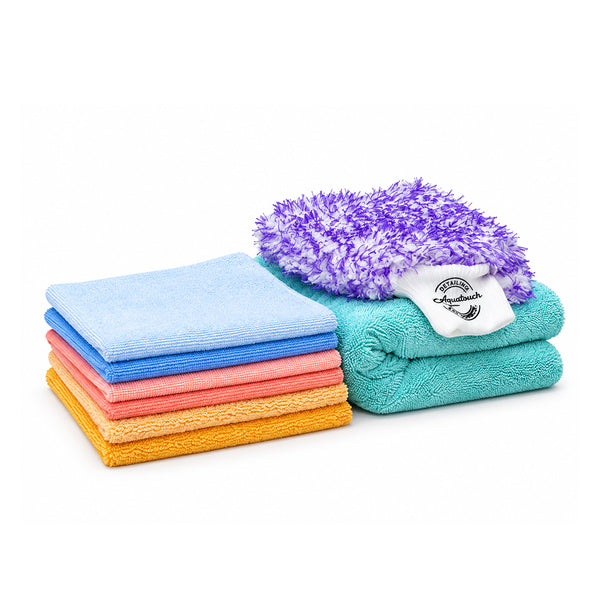 31.5% offOur Pick
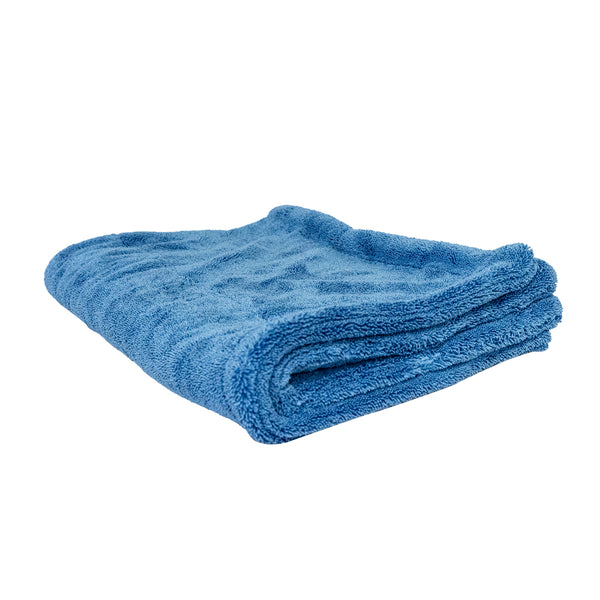 0% offPro's Choice
13% off
0% offPro's Choice
13% off


 31.5% off
Car Drying Towels, in action
 FeaturedAquatouch BIG FELLA V2
$30.50Shop ›
FeaturedAquatouch BIG FELLA V2
$30.50Shop ›

 FeaturedAquatouch TITAN
$39.95Shop ›
FeaturedAquatouch TITAN
$39.95Shop ›
 FeaturedAquatouch THE FELLA'S
$43.95Shop ›
FeaturedAquatouch THE FELLA'S
$43.95Shop ›
FAQ's: Car Drying Cloths
Choosing the right car drying towels can completely change your washing process. Water behaviour, towel size, GSM, pile type and technique all play a role in safe drying. Below we answer some of the most common questions we get about selecting the best drying towel for you, how to use it properly, and how to get the longest life out of it.
Still unsure? Ask us ›How do I wash and maintain car drying towels?
Wash separately
Keep your car towel away from cotton or lint heavy fabrics. Drying towels grab lint easily and once it is embedded, it is hard to remove.
Use warm water only
30 to 40 degrees is ideal. Avoid hot washes as excessive heat can damage the fibres and reduce absorbency.
Liquid detergent only
Powder detergents can leave residue in the fibres. Use a mild liquid detergent or dedicated microfibre wash.
No fabric softener or dryer sheets
These coat the fibres and dramatically reduce water absorption. This is the fastest way to ruin a drying towel for car use.
Air dry or tumble dry low
High heat can stiffen or shrink the fibres. Low heat or air drying keeps them performing properly.
If your towel starts pushing water instead of absorbing it, it is usually detergent buildup or heat damage.
What is the difference between twisted loop and plush?
Twisted Loop Drying Towel
Twisted loop fibres are tightly wound strands that increase surface area and absorption efficiency. They glide smoothly and pull water into the towel quickly. Best for:
- Fast drying
- Drag drying large panels
- Ceramic coated vehicles
- Reducing streaking
Plush Drying Towel
Plush towels use longer, softer fibres. They feel thicker and more cushioned but may not absorb as quickly as twisted loop designs. Best for:
- Pat drying
- Softer contact preference
- Smaller vehicles or maintenance drying
What GSM is recommended for a drying towel?
500 to 800 GSM
Entry to mid level absorption. These can work on smaller vehicles or light maintenance drying, but they may require multiple passes or more than one towel on larger cars.
1000 GSM and above
Designed for serious water absorption. Ideal for larger vehicles, SUVs, Utes and coated cars where water sits aggressively on the surface. Higher GSM towels hold significantly more water, reducing the need to wring out or swap towels mid dry.
The key is pairing high GSM with the right weave. A well designed 1000 to 1400 GSM twisted loop drying towel offers both massive absorption and smooth glide, making the drying process faster and safer. Above that you get into specialist territory, the Aquatouch TITAN runs 2000 GSM and is built for large 4WDs, vans and anyone who would rather dry a whole car without touching a second towel.
If you are looking for the best car drying towel Australia wide and want maximum efficiency, durability and capacity, focusing on 1000 GSM and above is the smarter move.
How can I avoid scratches when drying my car?
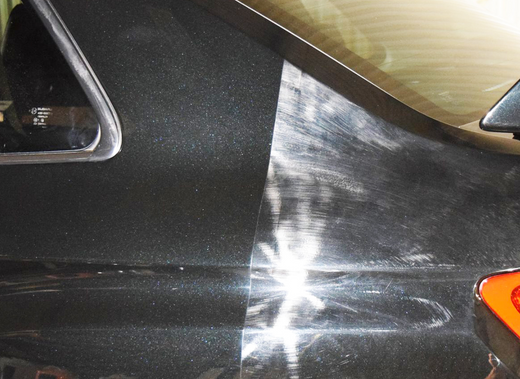
If you don't dry your car with a proper, high quality car drying towel then water left on your paint to dry can leave behind harmful minerals which can only be removed using specific water spot removers such as CARPRO Spotless 2.0 and Nv Shift or by using strong acidic snow foam washes such as CARPRO Descale. If left untreated, these minerals can etch into the paintwork and create paint defects that can only be removed by machine polishing.
If you want to learn more about water spots and their prevention, read our guide on how to remove water spots.