

Coating Applicators & Blocks
4.7from 59 reviews across this range
A ceramic coating applicator is a foam block with a suede cloth wrapped over it, and that pairing is what lays the coating down in an even layer instead of a streaky one. The block gives you a flat face and something to hold, the suede spreads the product without soaking it up, and you change the cloth as it loads rather than fighting a saturated one. Everything you need to apply a ceramic coating properly is here, including the microfibre to level it with.
 GuideHow to Apply a Ceramic CoatingRead the guide ›
Featured items & kits
Hand picked for this category 25% offMost Popular
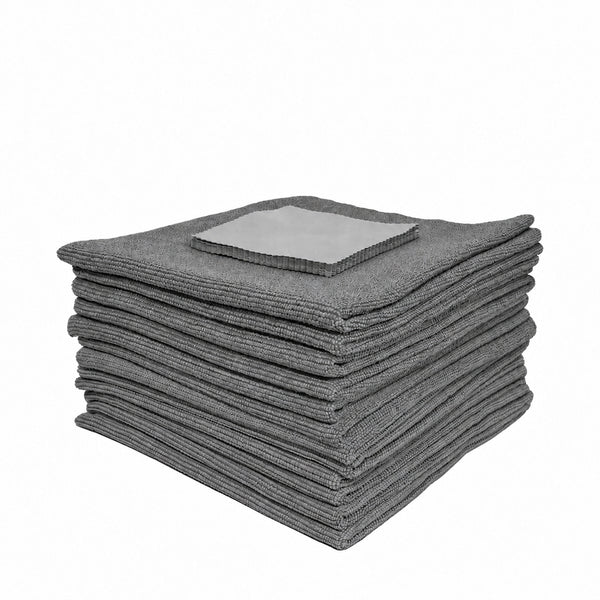 23.5% offBest Value
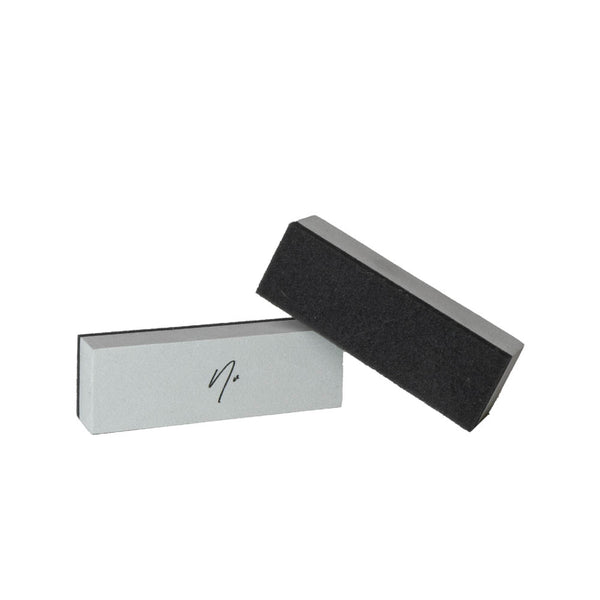 25% offOur Pick

11 products
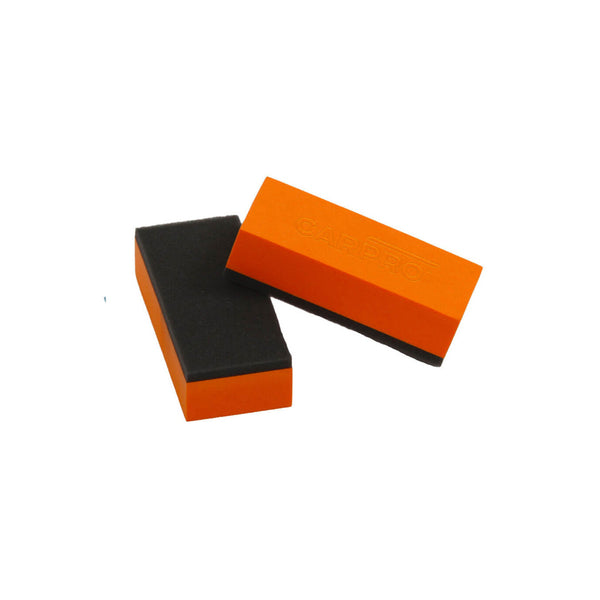 25% off
 23.5% offSpecials

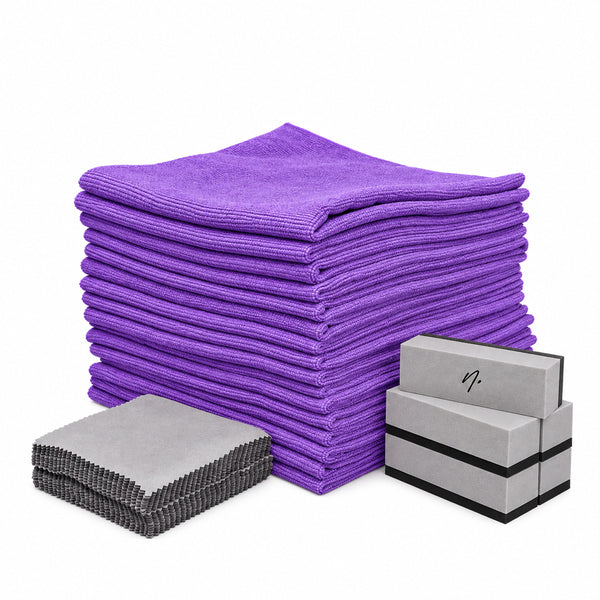 15% offUPDATED
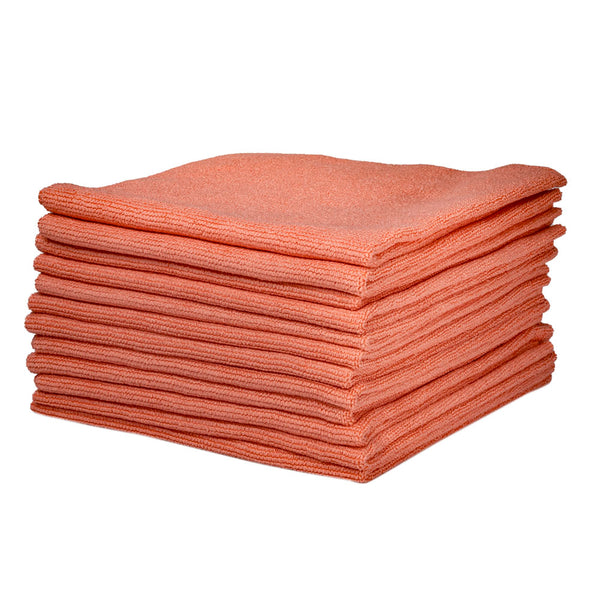
Waxit Car CareWaxit Coating Installer Refill Pack
Rated 5.0 out of 5 stars
1 Review
From$86.25
$101.50
 22.5% offSpecials
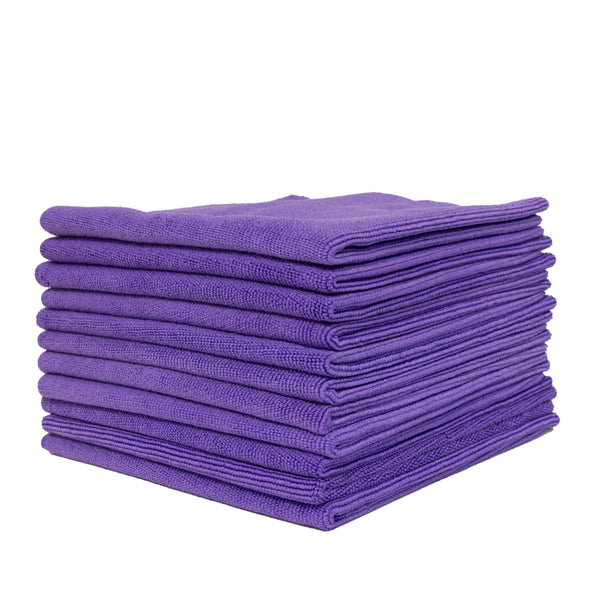
AquatouchACE | 320GSM Pearl Weave Microfibre Cloth | 6 & 24 pack
Rated 4.7 out of 5 stars
3 Reviews
From$11.59
$14.95
 Sold out
In action
Coating Applicators & Blocks, in action


 Guide


Coating Applicators & Blocks
FAQ's: Coating Applicators
What a suede applicator does, how often to change it, and what else you'll need. These are the questions we get asked the most.
Still unsure? Ask us ›Why use a suede applicator cloth for ceramic coating?
Because suede spreads rather than absorbs.
A microfibre cloth is built to pull liquid up into its fibres, which is exactly what you don't want when you're applying a coating. You'd lose half the bottle into the towel and get an uneven layer from what's left. Suede has a flat, tight face with almost no pile, so the coating sits on the surface of the cloth and transfers onto the paint instead.
That flat face is also why the layer comes out even. There's no pile to push product around unevenly, so you get consistent coverage across a panel, which matters when a thick spot becomes a high spot ten minutes later.
Suede is the standard for a reason. Nearly every coating manufacturer supplies a suede cloth in the box, and when you run out, this is what you replace it with.
What does the applicator block do?
It gives the suede something flat to work against, and gives you something to hold.
Wrapped over a foam block, the suede sits flat and spreads the coating evenly across the panel. Held in your fingers instead, the pressure goes wherever your fingertips are, so you get lines and patches. A ceramic coating applicator block is a small thing that makes a real difference to how the layer goes down.
The block also keeps the coating off your skin, which matters more than it sounds. Most coatings are solvent based and they don't come off your fingers easily.
Blocks last for years, the suede is the consumable. Most people buy one block and keep a pack of cloths on the shelf.
How often should I change the applicator cloth?
More often than most people do. Somewhere between every panel and every two or three, depending on the coating and the size of the car.
Suede loads up as you work. Once the face has taken on enough product it stops spreading cleanly and starts dragging, which shows as an uneven layer and gives you more to chase at the levelling stage. If the cloth feels sticky or the coating is going down in streaks rather than a wet film, it's done.
Coatings also start curing in the cloth, so a suede applicator that's sat for twenty minutes mid job is usually finished whether it looks it or not. That's why they come in packs of ten rather than singly.
Plan on several cloths per car, and have a fresh one ready before you start a panel rather than partway through it.
What else do I need to apply a ceramic coating?
Applicators are the smallest part of it. The order goes like this.
Before. The paint has to be clean, decontaminated and usually polished, then wiped down with a panel wipe to strip the polishing oils. A coating bonds to what's underneath it, so anything you leave on the paint gets sealed in.
During. The coating itself, a block, suede cloths, and good lighting so you can see what you've laid down before it flashes.
After. Coating removal cloths to level the excess, and several of them, because a loaded cloth is what causes high spots.
The full walkthrough is in our guide on how to apply a ceramic coating, and once it's on, how to maintain a ceramic coating covers keeping it working.