


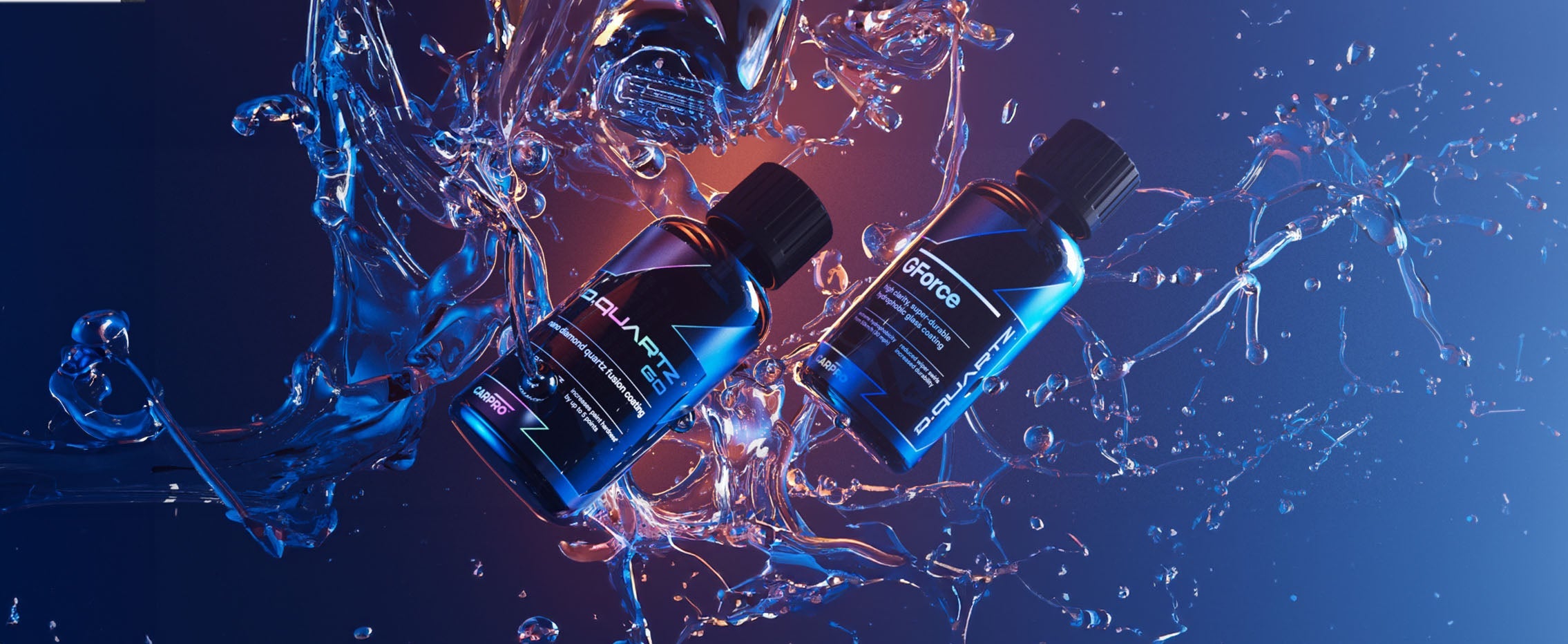


Aquatouch ACE | 320GSM Pearl Weave Microfibre Cloth | 6 & 24 pack
From $14.95
Rated 4.7 out of 5 stars
3 Reviews


Premium Ceramic Coating Cloths
Aquatouch ACE | 320GSM Pearl Weave Microfibre Cloth | 6 & 24 pack
From $14.95
Rated 4.7 out of 5 stars
3 Reviews


Aquatouch General Heavyweight | 365GSM Terry Weave Microfibre Cloth 24pk
$41.95
Rated 5.0 out of 5 stars
1 Review


FAQ's: Ceramic Coating Cloths
-
A ceramic coating cloth is used during the levelling stage of a ceramic coating application. Once the coating has been applied and left to flash, the cloth lifts the excess off the surface and levels what's left so it cures evenly.
That step is where coatings go wrong. Flash time varies by product and gets shorter in the heat, so you're working to a window rather than a clock. Wipe too early and the coating hasn't bonded, leave it too long and the excess sets as darker patches and streaks, known as high spots, which won't come off once cured.
A proper coating cloth, such as the Aquatouch ACE, gives you the best chance in that window. The pearl weave and low lint fibres pull the excess up into the cloth instead of dragging it across the paint. The full process is in our guide on how to apply a ceramic coating. -
A good ceramic coating cloth levels the coating cleanly without leaving lint or smearing product across the surface. What to look for:
- Low lint fibres. Any fibre left behind sets into the coating and stays there, so the cloth needs to hold together rather than shed under pressure.
- A consistent weave. Pearl and terry weaves both work, but the weave needs to be even across the whole cloth so it lifts the same amount of product in every pass. A patchy weave is why one panel looks right and the next one streaks.
- Safe edges. Edgeless or silk banded, never a stitched polyester hem. A hard edge on fresh coating drags and marks it.
- The right weight. GSM is the density of the fibres, so a 320gsm cloth is light and precise for levelling, and a 400gsm holds more product for the final buff.
Coatings contain solvents and start curing quickly, so the cloth also needs to shift excess fast without becoming overloaded. -
Not on paint, no. Ceramic coatings start curing inside the fibres almost immediately, and once that happens the cloth goes stiff and is no longer safe on a fresh finish. Washing won't bring it back either, the coating has cured in the weave.
Plan on it. A full car takes several cloths, swapping to a fresh one every few panels as they load up, which is why they're sold in 6 and 24 packs rather than singly. Running one cloth too long is one of the more common reasons a coating streaks.
A used cloth isn't rubbish though. Once it's stiffened it's still fine for wheels, door jambs, the engine bay or as a prep cloth before the next job. Keep them separate from your paint cloths so there's no mix-up. -
You can use a regular microfibre cloth, but a dedicated ceramic coating cloth is usually the safer option when levelling.
The difference comes down to what the cloth is built to do. Most microfibre is designed to absorb, which is exactly what you want when you're drying a car or buffing off a wax. Levelling a coating is the opposite job. You're lifting a thin film off the surface and spreading what's left evenly, not soaking it up, which is why a pearl weave suits it so well. The flatter surface glides over the coating and lifts the excess rather than drinking it in.
Use an absorbent cloth and it will often work, it just makes the job harder. The cloth loads up with coating residue faster, and once it's saturated it starts smearing product back across the panel instead of collecting it. Add the lint a general purpose cloth can leave behind and you've got more chance of streaks and high spots in a window where you don't have time to fix them.
A regular cloth will get you through. A purpose built one gives you a more consistent finish and more margin when the flash time is short.