
Microfiber Tools & Accessories
4.8from 67 reviews across this range
Microfibre isn't only cloths. Gloves, applicators, scrub pads and brush covers all use the same fibre in a shape that suits the job better than a folded towel does, whether that's getting into a wheel barrel, scrubbing a carpet without a hard bristle, or spreading a dressing evenly. Everything here is a microfibre tool rather than a microfiber cloth, and most of it also lives in the collection for its specific job.
Featured items & kits
Hand picked for this category
 Sold outBest Value
 20% offOur Pick
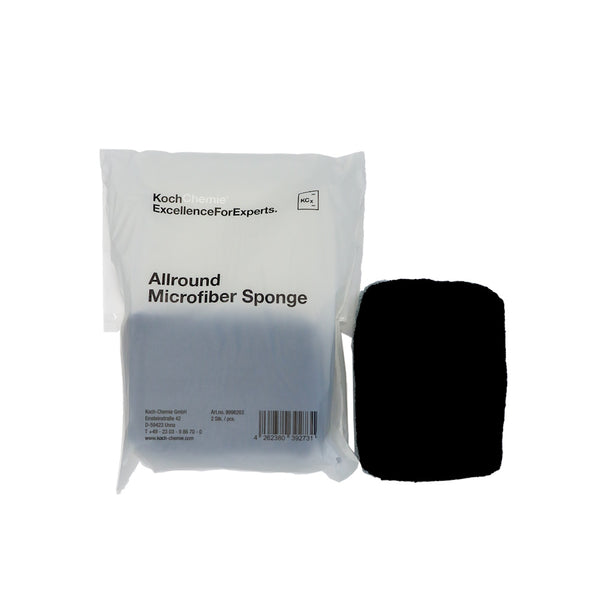
AquatouchSCRUBBA | Microfibre Tyre Scrub Applicator
Rated 5.0 out of 5 stars
2 Reviews
From$2.80
$3.50

16 products



 20% off
AquatouchSCRUBBA | Microfibre Tyre Scrub Applicator
Rated 5.0 out of 5 stars
2 Reviews
From$2.80
$3.50
Sold out
 20% off
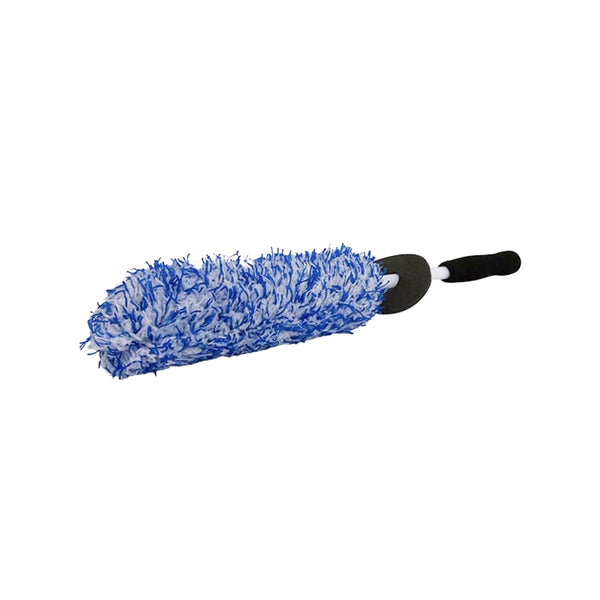
Detail FactoryWheel Brush Ultra-Soft Cover Replacement
Rated 5.0 out of 5 stars
1 Review
$18.36
$22.95


Microfiber Tools & Accessories
FAQ's: Microfiber Tools
When a tool beats a cloth, and what each one is for. These are the questions we get asked the most.
Still unsure? Ask us ›Why use a microfibre glove or applicator instead of a cloth?
Shape and control. A folded cloth works fine on a flat panel, but the moment you're inside a wheel barrel, around a badge or scrubbing a seat, it stops being the right tool.
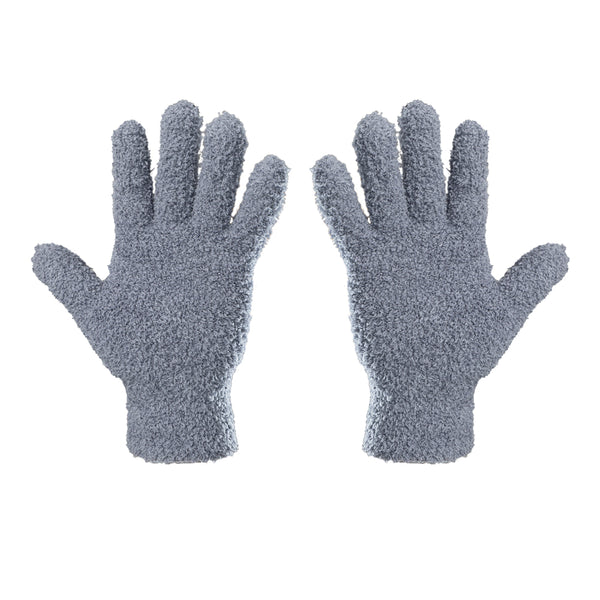
A glove puts the microfibre on your hand, so you feel what you're doing and you can get into the gaps your fingers reach and a cloth doesn't. Good for interiors, vents and anywhere you want precision over coverage.
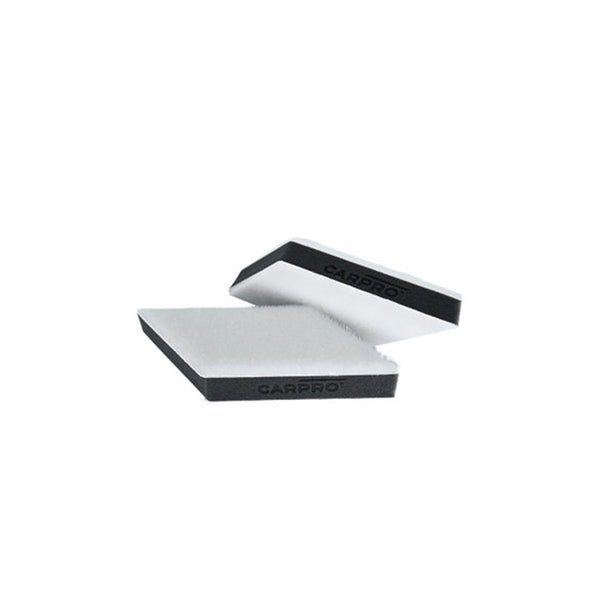
An applicator holds product rather than absorbing it, which is the opposite of what a cloth does. That's what gets a wax, sealant or dressing laid down thin and even instead of soaking half of it into the towel.
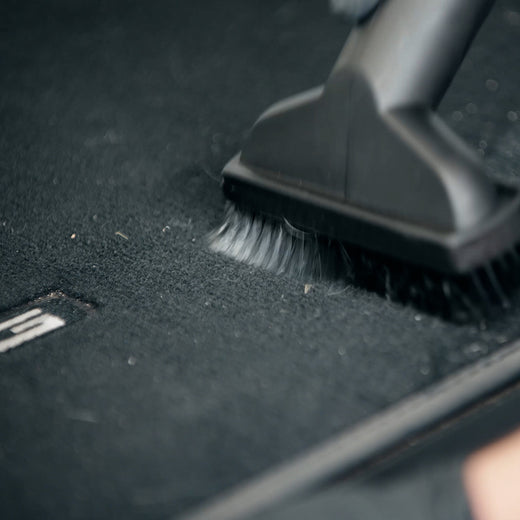
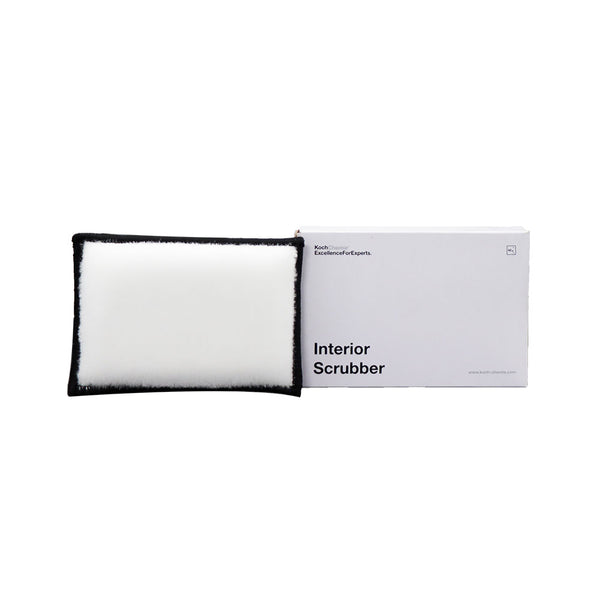
A scrub pad or sponge gives you bite without bristles. Useful on carpets, leather and textured plastics where a brush would be too aggressive but a cloth won't shift anything.
What's the point of a microfibre wheel brush?
Wheels are the one place where most people still use something too harsh. A nylon wheel brush is right for tyres, arches and anything painted matte, but on a polished or diamond cut face it can leave marks you'll see in the sun.
A microfibre wheel brush puts a soft sleeve over the same reach, so you get into the barrel and behind the spokes without a stiff bristle touching the finish. Pair it with a dedicated wheel cleaner and the chemical does the work while the brush just moves it around.
The covers wear out before the handle does, which is why the Detail Factory ones are sold as replacements. Wash them like any other microfibre, separately from your paint cloths, since wheel brushes pick up brake dust that you never want near a panel.