

Clay Bars & Lubricants
4.7from 386 reviews across this range
Clay bars and lubricants are what make your paint properly smooth, and they're the step most people skip. They're also what makes your protection last, since a wax or coating can only bond to paint that's genuinely clean. The range covers traditional clay bars, clay mitts, clay cloths and blocks, along with the lubricants that let them glide safely. From Nv, CARPRO, Koch Chemie, MIRCH and Economax, in grades from mild for a maintained car through to heavy for something that's been neglected.
 GuideVehicle Decontamination & Iron RemoversRead the guide ›
Featured items & kits
Hand picked for this category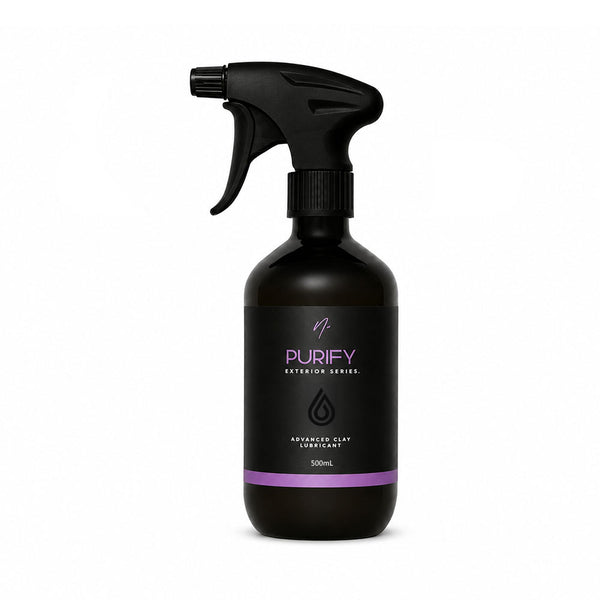 25% offMost Popular

22 products
 20% off
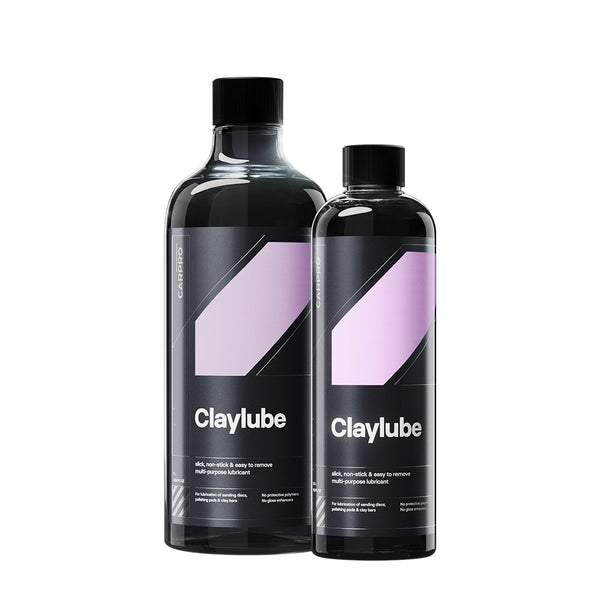
CarproClaylube | Multi-purpose Clay Bar Lubricant
Rated 4.0 out of 5 stars
16 Reviews
From$15.16
$18.95
25% off
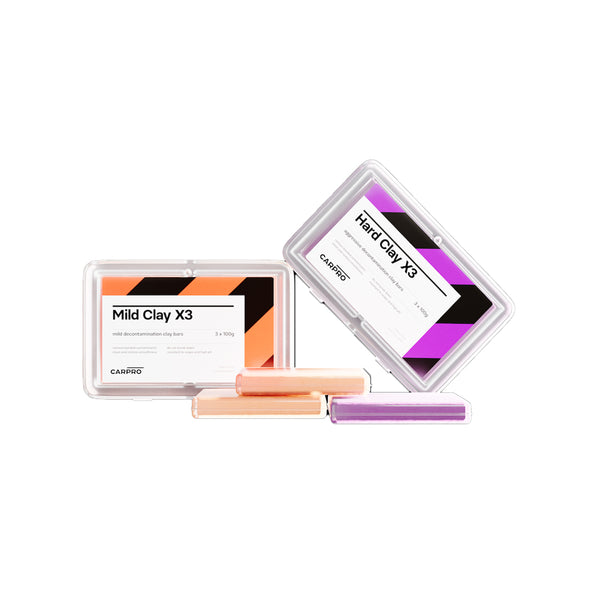
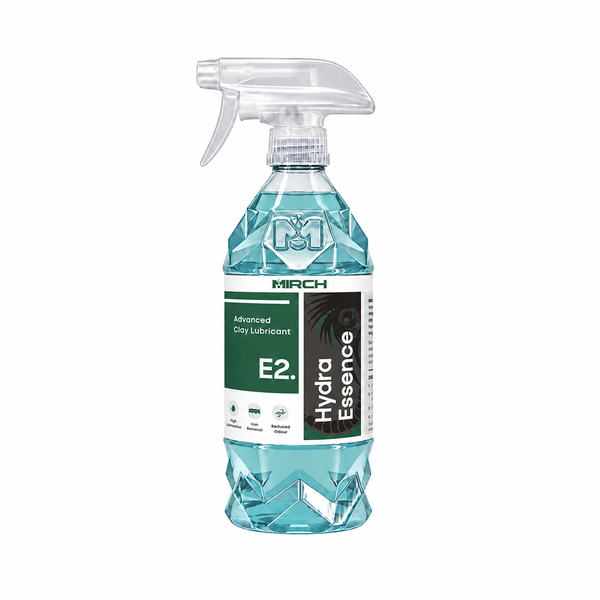
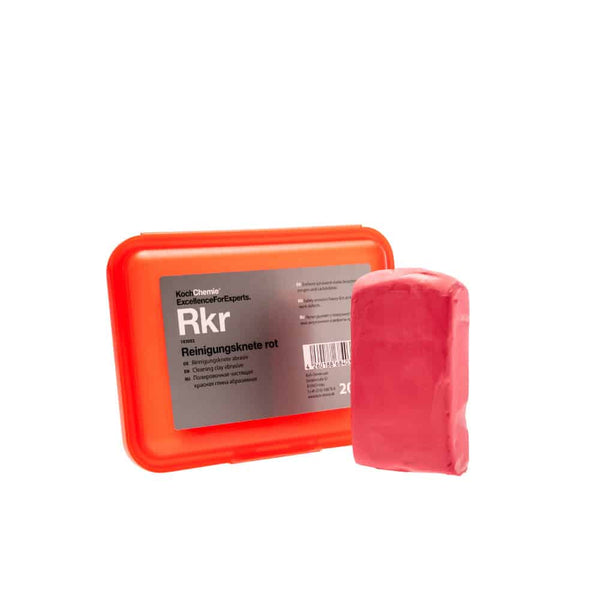
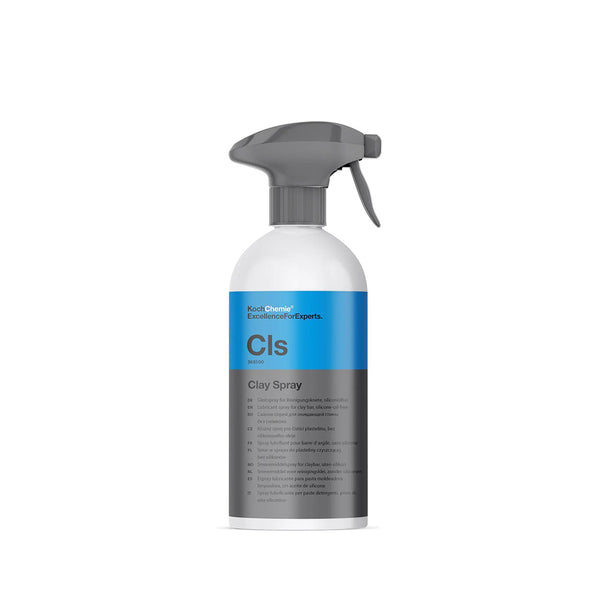
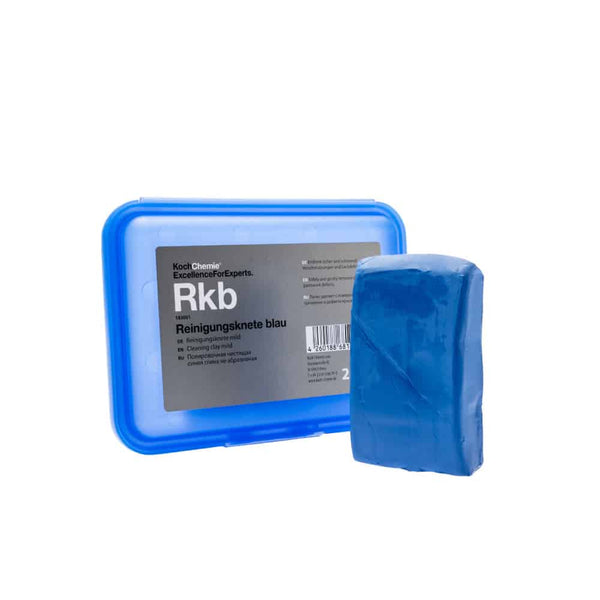
 30% off
Shine SupplyShine Mist | Clay Bar & Polishing Lube
Rated 5.0 out of 5 stars
1 Review
From$18.87
$26.95


 20% off
CarproECH2O Concentrate | Waterless Car Wash Detailer
Rated 4.9 out of 5 stars
90 Reviews
From$26.36
$32.95


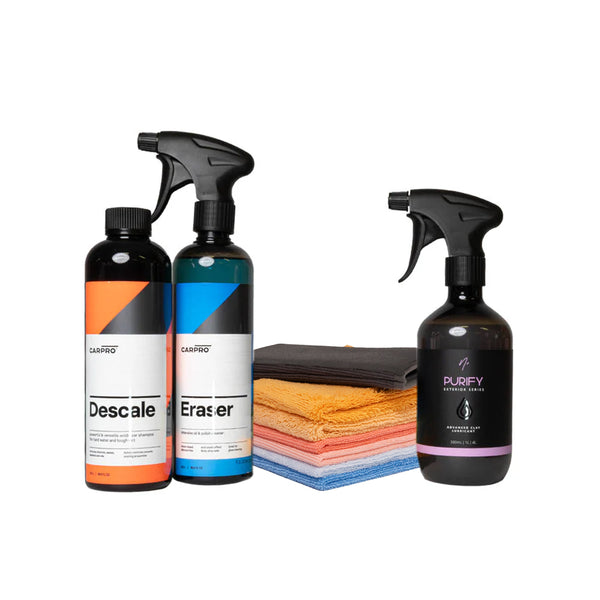

In action
Clay Bars & Lubricants, in action


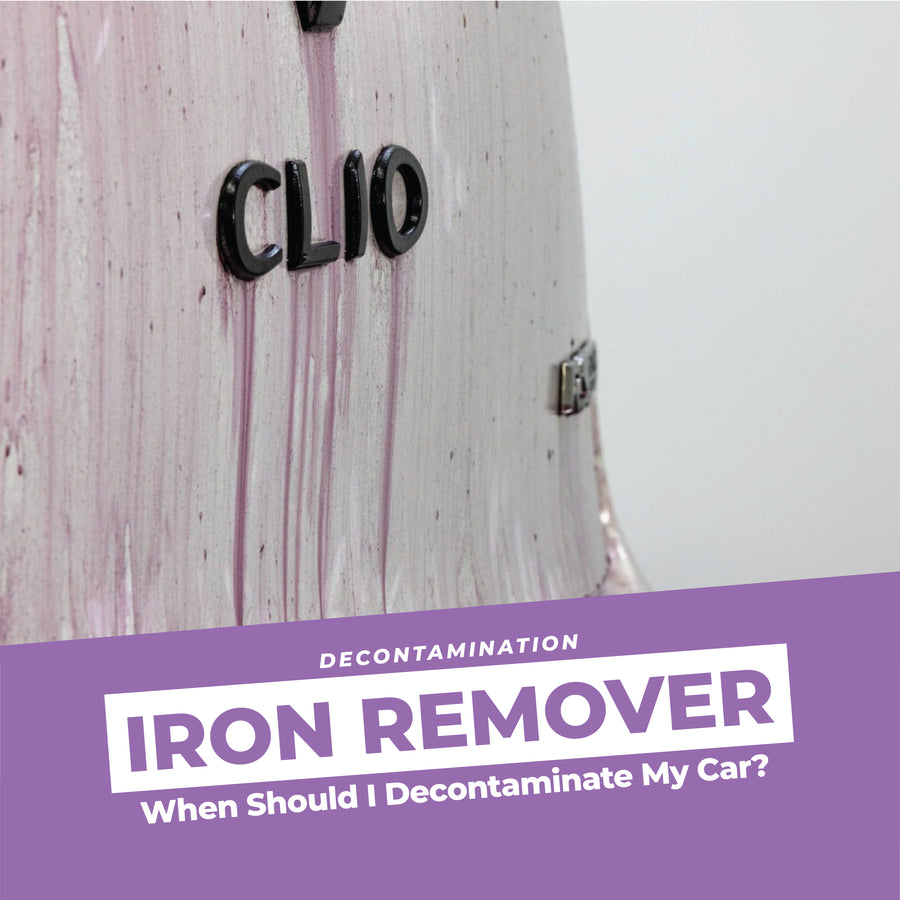 Guide
Clay Bars & Lubricants
FAQ's: Clay Bars & Lubricants
What a clay bar actually does, how to use one, whether cheap clay is worth it, and what it's safe to use over. These are the questions we get asked the most.
Still unsure? Ask us ›What does a clay bar actually do?
A clay bar pulls bonded contamination out of your paint, the fine embedded particles that a wash leaves behind. Things like iron fallout, tar, overspray and industrial fallout that have physically stuck to the clear coat rather than sitting on top of it.
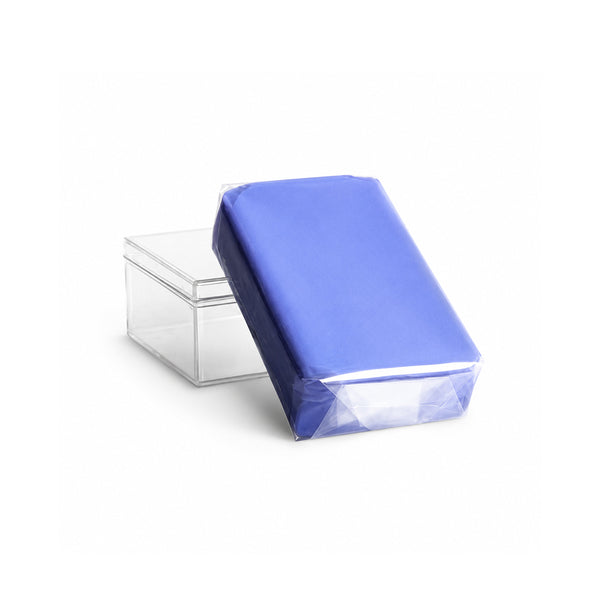
Most commonly, clay bars are a chunk of either natural or synthetic clay, but they also come in the form of different clay tools such as clay cloths, clay mitts and clay blocks.
By gently rubbing a clay bar or tool along your paintwork with a suitable clay lubricant, you're picking up and abrading those contaminants off the surface. This makes your paintwork feel smooth to the touch, but more importantly it cleans the paint and ensures all embedded contamination that doesn't come off with a standard wash is removed. You can almost think of this process as exfoliation when it comes to skin care, you're essentially exfoliating your paintwork with the clay bar.
This is very important, because if you don't include a clay bar treatment in your decontamination process then iron, tar and other contaminants interfere with your protection by acting as a physical barrier. That stops a wax, sealant or ceramic coating bonding properly to the paintwork, reducing durability and impairing performance.
How do you use a clay bar?
Using a clay bar or tool such as a clay mitt, cloth or block is very simple.
We like to incorporate the clay bar treatment and decontamination process into the washing stage, so here's a step-by-step guide you can follow when looking to get into clay bar detailing.
From there, most people move on to polishing or straight to applying their protection.
We like to incorporate the clay bar treatment and decontamination process into the washing stage, so here's a step-by-step guide you can follow when looking to get into clay bar detailing.
- Wash your car - Here we want to perform our standard washing process, but before we dry the car, we can get stuck into our clay bar detailing.
- Apply your lubricant - So, the car is clean and still wet, which is fine, and we can now begin to spray our clay lubricant onto the panel we're working on. If you're using a clay lubricant that's been infused with iron removers such as Nv PURIFY, then you want to wait a few minutes before getting stuck in with your clay bar.
- Use your clay bar or tool - Washed, cleaned and lubricated, we can now begin to use our clay bar. Break off a little part from that bar and mould it into a flat surface with your hands, then begin gently rubbing the clay bar over the panel. Short, small back and forth motions with minimal pressure is perfect for contamination removal. If you're using a clay mitt, block or cloth then you'll want to follow the same procedure, using short, small, back and forth motions. However, you may want to spray a little lubricant onto the tool itself.
- Repeat for all other panels - Now that you've got your process sorted and you know what you're doing, repeat the process for the rest of the car.
- Wash the car again - A clay bar treatment will often produce residue, from the lubricant or the contaminants themselves. To remove anything left over we tend to give the car another quick wash, either a quick foam and rinse, or another hand wash.
From there, most people move on to polishing or straight to applying their protection.
Cheap clay bars vs. expensive – what’s the difference?
Cheaper clay bars tend to use a lower quality, or cheaper grade of clay. What this does is impair performance, reducing its capability to remove more stubborn, embedded contaminants, but it can also cause more marring and scratching in the paintwork. It'll be a lot less durable too, deteriorating as you use it.
Beyond quality, the real difference across a decent range is grade. A milder clay is what you want on a car that's washed regularly and only lightly contaminated, since it does the job with the least risk of marring. A heavier grade is for a neglected car with tar, overspray or heavy fallout bonded to it, where a mild bar simply won't shift it. Koch Chemie split theirs exactly that way, mild and heavy.
The other thing worth weighing is cost over time. A clay bar is a consumable, you break a piece off and eventually it's spent. A synthetic clay mitt or cloth costs more upfront but washes out and gets used dozens of times, so it usually works out cheaper if you're detailing regularly.
Here at Waxit we only stock clay bars and tools we'd use ourselves, across both grades and both formats.
Are clay bars reusable?
It depends which format you're using.
Clay bars are more of a consumable. You buy a block and break a little off each time you decontaminate, so one bar lasts a while, but the piece you've used is generally done once it's picked up a load of contamination. If the car was only lightly contaminated you can knead it over and get another use out of it.
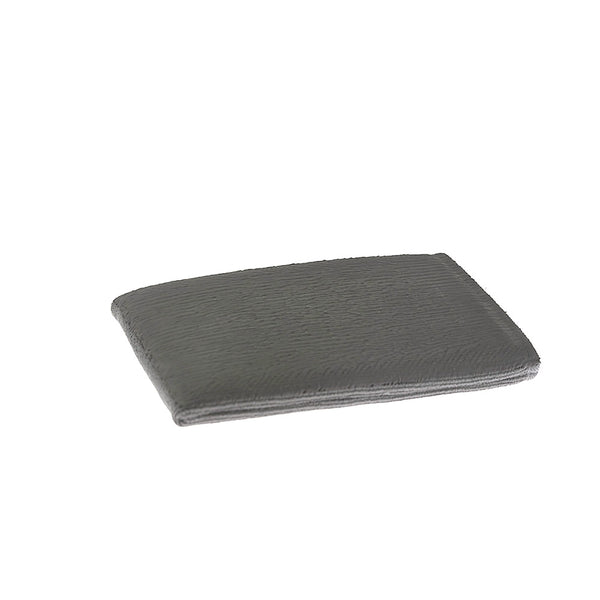
Synthetic clay mitts, cloths and blocks are properly reusable. You simply wash them out after use and go again. They do wear down slowly and will need replacing eventually, but they're fantastic for maintenance work and lighter contamination removal, and they work out cheaper over time.
The one rule that applies to both: if you drop it, bin it. A bar or mitt that's touched the ground has picked up grit, and the next panel you touch with it is where the scratches come from. It isn't worth the risk over the price of a new bar.
Can clay bars remove surface scratches?
Clay bars don't remove any scratches. In fact most of the time you may cause some very light marring when claying.
This is because fundamentally, you're abrading contaminants over the paintwork as you remove them with a clay bar. This type of mechanical decontamination is fantastic for removing stubborn, embedded contamination that can't be removed with a chemical, but the unfortunate result is that it can cause some light swirl marks.
Most people tend to follow up the decontamination stage with a polishing stage, either by hand or with a machine, to ensure their clean and smooth finish now looks the part as well. Even a light finishing polish will take care of anything the clay introduced.
Can I clay a car that's coated or wrapped?
Yes and no.
When looking at less durable forms of protection, such as waxes, polymer based sealants, spray coatings and spray waxes, a clay bar treatment will most likely harm that protection, since you'll be abrading off contaminants along with the protection itself.
However, when looking at ceramic coatings, paint protection films and vinyl wraps, you can technically use a clay bar over these. Because light swirls and marring may be induced into the finish as a result, it's often not recommended.
Instead, we like to use a decontamination wash such as CARPRO IronX SnowSoap as a periodic maintenance solution, perhaps every three to six months, to help remove contamination and stop any stubborn build ups.