



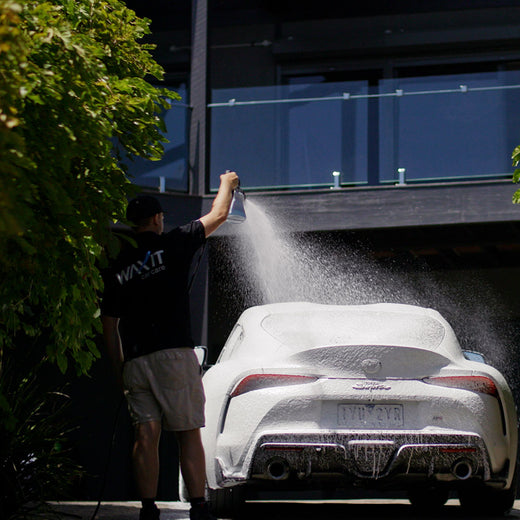
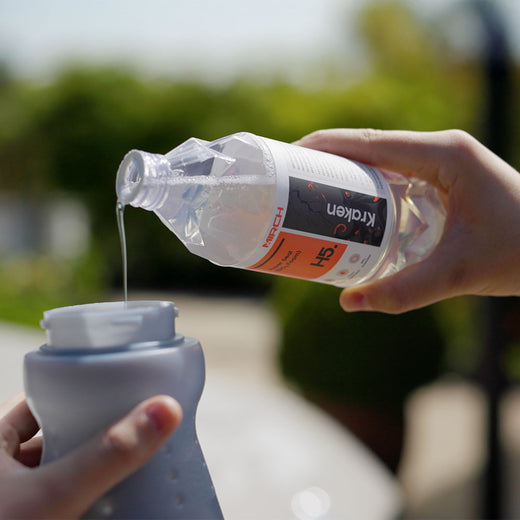
Glass Cloths
4.9from 77 reviews across this range
A glass cleaning cloth has one job, lifting oils, fingerprints and cleaner residue off the glass without leaving lint or smearing it around. The weave does most of that work, which is why a cloth built for glass behaves differently to a plush one built for paint. Pair one with a decent glass cleaner and the windows come up clear rather than hazy in the afternoon sun.
 GuideLooking to polish your glass, not just clean it?Read the guide ›
Featured items & kits
Hand picked for this category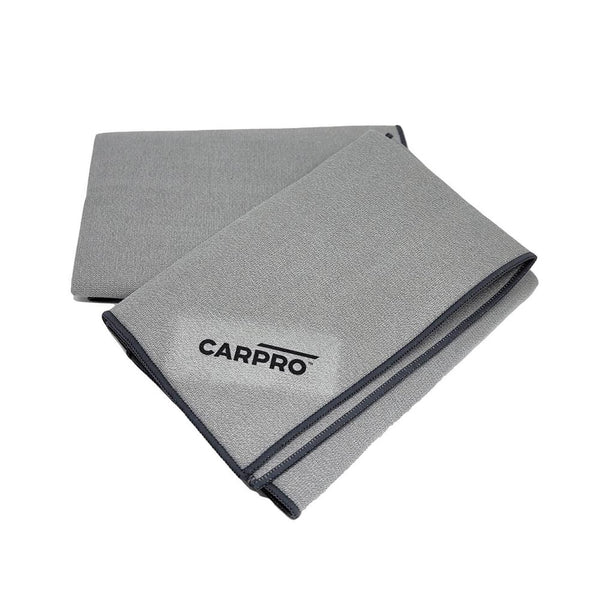
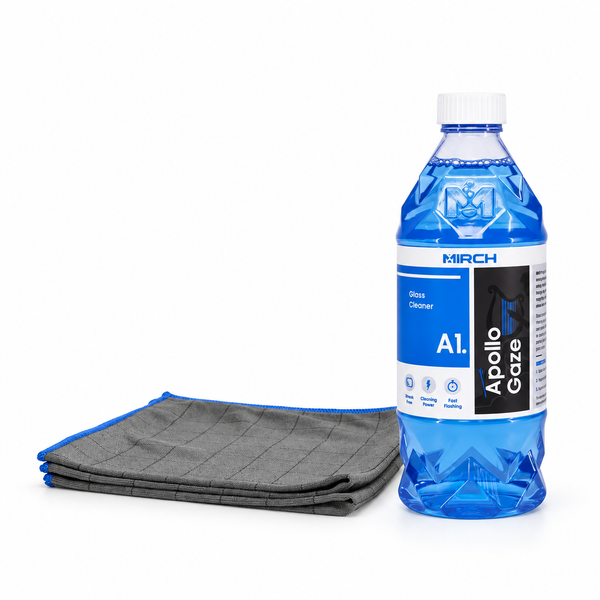 20% offBest Value


In action
Glass Cloths, in action
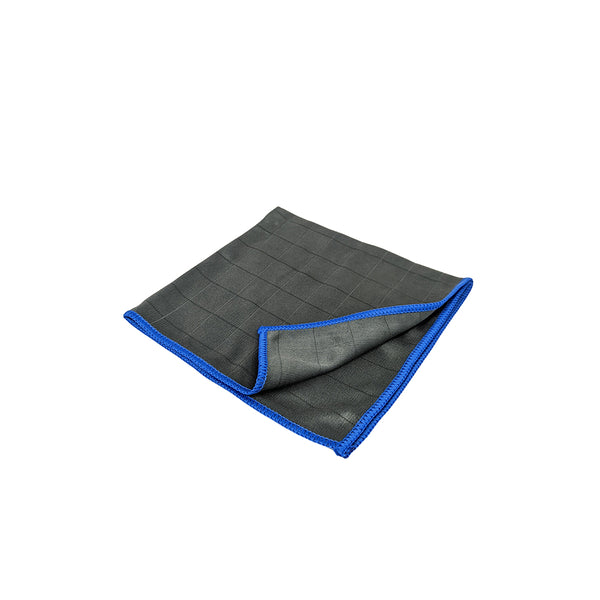
 FeaturedAquatouch COLONEL Glass Cloth
$12.50Shop ›
FeaturedAquatouch COLONEL Glass Cloth
$12.50Shop ›
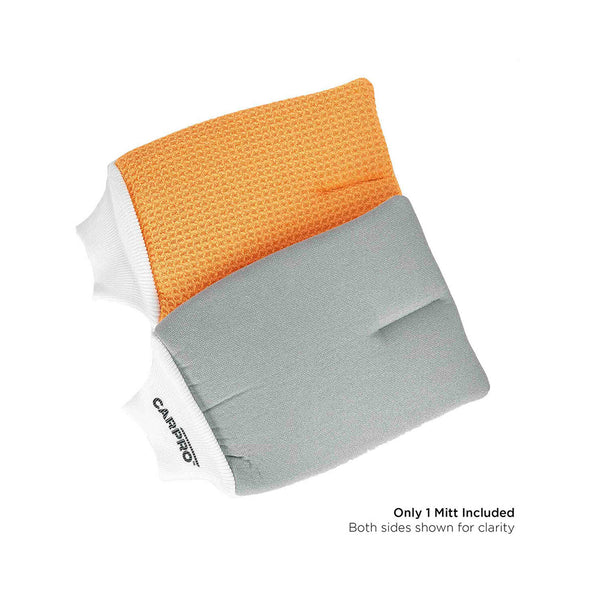
 FeaturedCARPRO GlassMitt
$23.95Shop ›
FeaturedCARPRO GlassMitt
$23.95Shop ›
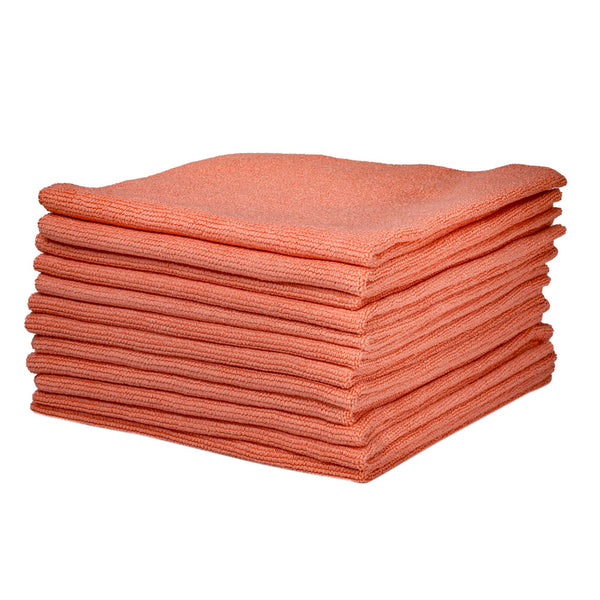
 FeaturedCARPRO MF GlassFiber Towel 40x40cm
$18.95Shop ›
FeaturedCARPRO MF GlassFiber Towel 40x40cm
$18.95Shop ›
Glass Cloths
FAQ's: Glass Cloths
Fibre structure, weave and edge construction all change how well a glass cleaning cloth removes cleaner residue without streaking. If you're not sure which one suits your setup, get in touch. These are the questions we get asked the most.
Still unsure? Ask us ›What makes a high quality glass cleaning cloth?
The weave does most of the work. A glass cloth uses a tighter, flatter weave than a plush cloth, which creates more surface tension against the glass so it lifts residue cleanly instead of pushing it around. That's the whole difference, and it's why a cloth that's brilliant on paint can be frustrating on a windscreen.
What to look for:
What to look for:
- A tight, consistent weave. Even across the whole cloth, so every pass lifts the same amount.
- Low lint fibres. Glass shows lint more than any other surface on a car, especially at night under headlights.
- Less fibre splitting. Split fibres grab and hold product, which is what you want in a drying towel. On glass it works against you, so glass cloths are split less and stay flatter.
- A properly finished edge. Edgeless or a soft bound edge rather than a stitched hem, so nothing catches on trims or tint.
What is the difference between a glass cloth and a regular microfibre cloth?
A regular microfibre cloth will clean glass. It just fights you a bit.
Plush cloths are built to absorb and hold product, which is exactly right for drying or buffing off a wax. On glass that works against you. The thick pile holds cleaner rather than lifting it, and once it's carrying a bit of product it starts pushing residue around instead of collecting it, which is where the streaks come from.
If a plush cloth is what you've got, use it damp rather than dry, fold to a clean section often, and finish with the driest part of the cloth. It'll get you there. A glass specific cloth just does it in fewer passes and with less fiddling.
Plush cloths are built to absorb and hold product, which is exactly right for drying or buffing off a wax. On glass that works against you. The thick pile holds cleaner rather than lifting it, and once it's carrying a bit of product it starts pushing residue around instead of collecting it, which is where the streaks come from.
If a plush cloth is what you've got, use it damp rather than dry, fold to a clean section often, and finish with the driest part of the cloth. It'll get you there. A glass specific cloth just does it in fewer passes and with less fiddling.
Why is my glass cleaning cloth leaving streaks on my windows?
Nearly always too much product rather than a bad cloth. Glass needs very little glass cleaner, and anything the cloth can't pick up gets pushed around instead. The usual causes:
The easiest fix if it's still happening is one cloth to clean and a dry one to finish. That second pass takes off whatever the first one left.
- Too much cleaner. Two or three sprays per window, not a soaking. Spray onto the cloth rather than the glass if you're heavy handed.
- Working in the sun. A hot windscreen flashes the cleaner off before you've wiped it, and what's left dries as streaks. Do the glass in shade, or early.
- A saturated cloth. Once it's carrying product it stops collecting and starts spreading. Fold to a dry section every window or so.
- Residue in the fibres. A cloth washed with softener, or one that's had wax or a quick detailer in it, will smear no matter how good it is.
- Old product on the glass. Years of dressings, waxes and cheap cleaners leave a film that a glass cleaner alone won't shift. If it streaks every single time, the glass needs polishing first.
The easiest fix if it's still happening is one cloth to clean and a dry one to finish. That second pass takes off whatever the first one left.
How do I wash a glass cloth properly?
The same as any microfibre, with one extra rule: keep glass cloths in their own pile.
The extra rule matters because glass is unforgiving. A glass cloth washed alongside a buffing cloth that's full of wax picks up that residue and transfers it straight onto the windscreen, and no amount of rewashing gets it out. Keep them separate, in a different colour if you can, and a good glass cloth lasts years rather than months.
- Wash them separately from cotton, towels and anything lint heavy.
- Warm water, 30 to 40 degrees.
- A mild liquid detergent, or a microfibre wash like CARPRO MFX.
- No fabric softener or bleach. Softener coats the fibres and a coated glass cloth smears every time.
- Air dry, or tumble on low.
The extra rule matters because glass is unforgiving. A glass cloth washed alongside a buffing cloth that's full of wax picks up that residue and transfers it straight onto the windscreen, and no amount of rewashing gets it out. Keep them separate, in a different colour if you can, and a good glass cloth lasts years rather than months.