
Pad Cleaning
4.8from 111 reviews across this range
Polishing compounds work on a cycle. The abrasives cut first, then break down and refine, and that only happens if the pad face is clear enough for them to work against the paint. A pad clogged with spent compound and clear coat breaks the cycle, so you get less cut, a worse finish, or both, and you end up doing extra passes to fix it. Spurring the pad with a brush between panels and washing it properly at the end of the day with a pad cleaner or a light all purpose cleaner dilution isn't housekeeping, it's what makes the polishing work. The same products look after your microfibre.
 GuideHow to Care for Your Machine Polishing PadsRead the guide ›
Featured items & kits
Hand picked for this category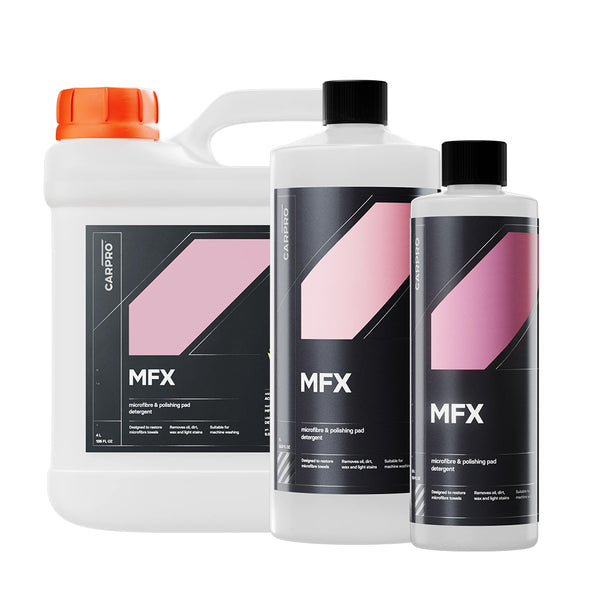


7 products
 Sold out


In action
Pad Cleaning, in action
 FeaturedRupes Bigfoot Claw Pad Tool
$30.50Shop ›
Pad Cleaning
FAQ's: Pad Cleaning
How often, on the fly or in the sink, and whether a pad washer is worth the bench space. These are the questions we get asked the most.
Still unsure? Ask us ›How often should I clean polishing pads?
Between every panel, lightly, and properly after every car. Diminishing abrasives are built to cut hard, break down under the pad and then refine, and that cycle needs a clear pad face to run. As you polish, the pad fills with broken down compound and the clear coat you've removed, and once it's full the fresh compound can't get to the paint, so it smears instead of cutting and the finish goes hazy. Spurring the face with a pad brush while the machine spins on low, or a blast of compressed air, resets it in ten seconds and the next panel gets the same cut as the first one did.
Leave it and the residue seeps deeper into the pad, so it clogs faster and runs hotter with every set. That heat ends up at the back of the pad where the foam is glued to the velcro, the glue softens, and the velcro delaminates. Most pads that "just fell apart" went that way. At the end of the job, wash them. Compound left to dry in a foam pad hardens, the foam goes stiff and it never cuts evenly again. Wool and microfibre pads are worse, dried compound in the fibres is next to impossible to shift.
Leave it and the residue seeps deeper into the pad, so it clogs faster and runs hotter with every set. That heat ends up at the back of the pad where the foam is glued to the velcro, the glue softens, and the velcro delaminates. Most pads that "just fell apart" went that way. At the end of the job, wash them. Compound left to dry in a foam pad hardens, the foam goes stiff and it never cuts evenly again. Wool and microfibre pads are worse, dried compound in the fibres is next to impossible to shift.
What do I clean polishing pads with?
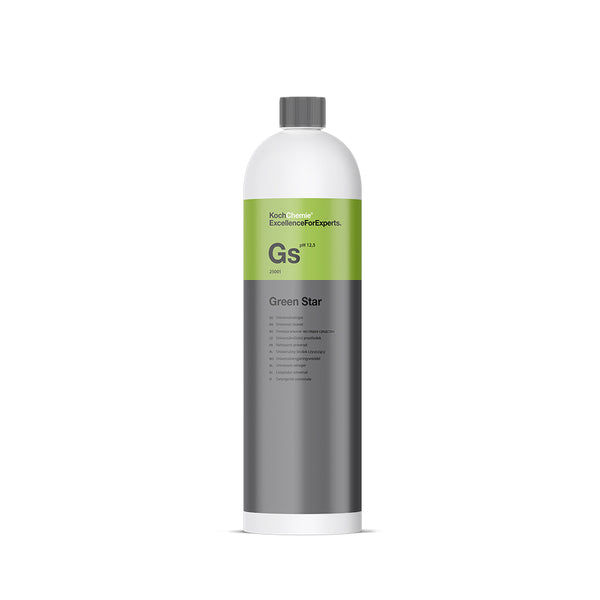
A dedicated pad cleaner or a diluted all purpose cleaner, warm water and your hands. Something like CARPRO MFX is made for pads and microfibre and rinses clean without leaving anything behind that would react with the next compound. A light all purpose cleaner like Green Star or Zeus Fury diluted down does the same job well, and most workshops use one because they already have it. Soak the pad for a few minutes, work the cleaner into the face with your fingers or a soft brush, rinse until the water runs clear, squeeze, don't wring, and leave it face up to air dry out of the sun.
Two things to avoid. Dishwashing liquid, which leaves a residue that hurts how the next compound breaks down. And the washing machine for foam pads, the spin cycle tears the velcro and the foam.
Two things to avoid. Dishwashing liquid, which leaves a residue that hurts how the next compound breaks down. And the washing machine for foam pads, the spin cycle tears the velcro and the foam.
Is a pad washer worth buying?
If you're polishing more than a couple of cars a week, yes. A pad washer is a bucket with a grit grate and a splash guard. You drop the pad in on the machine, spin it against the grate in the cleaner, and it comes out clean in seconds while the pad is still on the polisher. No sink, no hands, and you can clean a pad mid job rather than swapping to a fresh one. For a detailer on a busy day that's the difference between carrying twenty pads and carrying six.
For a weekend polisher doing one car a month, a bucket of warm water and a pad cleaner does the same job with more effort and no outlay. Get the brush before the washer. A pad brush for the between-panel clean is the one everyone should own.
For a weekend polisher doing one car a month, a bucket of warm water and a pad cleaner does the same job with more effort and no outlay. Get the brush before the washer. A pad brush for the between-panel clean is the one everyone should own.