

Detailing Spray Bottles & Sprayers
4.7from 257 reviews across this range
A good spray bottle makes everything else easier, and there's more to picking one than most people expect. The range here runs from simple dilution bottles for quick detailers and rinseless mixes, through to Kwazar sprayers with seals rated for acids and solvents, and compression sprayers for covering a whole car without squeezing a trigger. Spare heads, nozzles and seals are all here too, so a good bottle lasts years rather than months.
Featured items & kits
Hand picked for this category


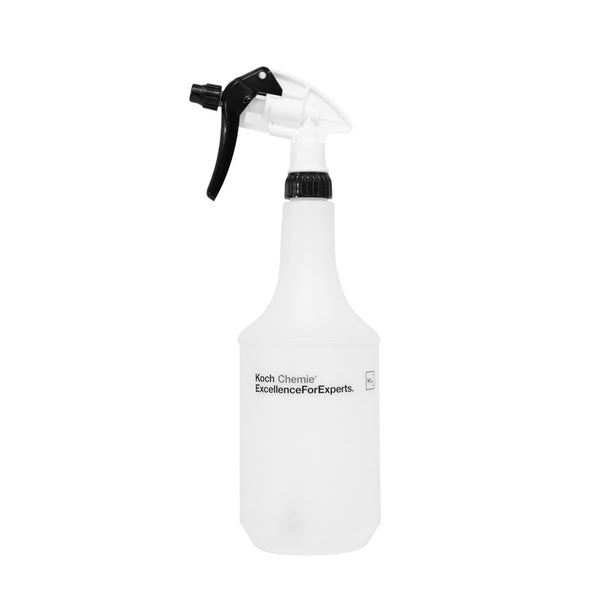


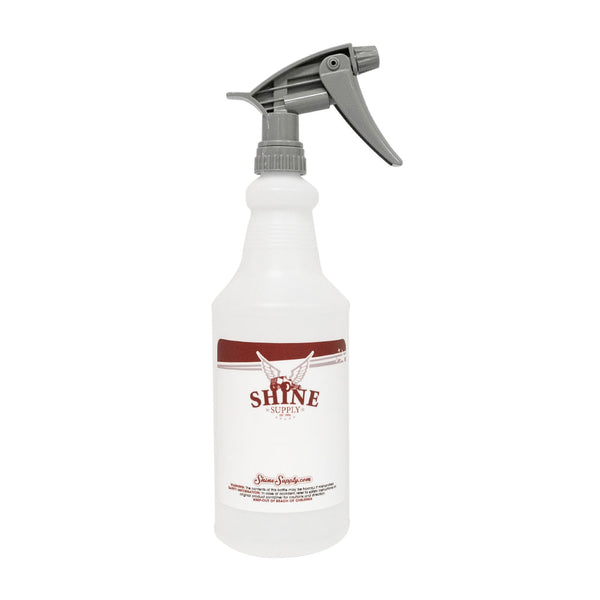


In action
Detailing Spray Bottles & Sprayers, in action


 FeaturedEconomax Dilute Spray Bottle 750mL
From $9.95Shop ›
 FeaturedCARPRO Dilute
From $7.95Shop ›
Detailing Spray Bottles & Sprayers
FAQ's: Spray Bottles
Which bottle handles which chemical, what the Kwazar models actually differ by, and when a pump sprayer beats a trigger. These are the questions we get asked the most.
Still unsure? Ask us ›Do I need a chemical resistant spray bottle?
Depends what's going in it. Not every bottle here is chemical resistant, and not everything you'd spray needs one.
For most of what you use day to day, a standard dilution bottle is fine. Quick detailers, rinseless and waterless mixes, interior cleaners, most lightly diluted all purpose cleaners and plain water won't trouble a normal seal. The CARPRO Dilute and Shine Supply bottles handle all of that, and the Economax Dilute goes further again with a chemical resistant trigger, which is why it's the one we reach for most.
Where it's worth stepping up is the harsh end. Alkaline wheel cleaners, strong APC dilutions, IPA and panel wipes, and anything solvent based. Those work on the seals and the spring in a standard trigger over time, and the first sign is usually weeping around the neck or a trigger that stops pulling properly. Kwazar build for this, with the Venus SUPER HD rated across alkaline, solvent and acid, and the NIX range as dedicated acid or solvent sprayers.
Worth knowing that most iron removers come ready to use in their own bottle, so that one usually sorts itself out.
What's the difference between the Kwazar bottles?
They look similar but they're built for different jobs.
Mercury Super 360 Pro is the everyday one and the one most people own. The 360 means it sprays upside down and at any angle, so you can get under sills and into wheel arches without it losing prime. Good for general detailing chemicals.
Venus 360 SUPER Pro+ is the step up, same 360 function with a stronger pump and a better spray pattern, and it takes a foamer nozzle if you want foam out of a hand bottle.
Venus SUPER HD is the chemical resistant one. Seals rated for alkaline, solvent and acid, which is what you want for the more aggressive products.
NIX HD comes in dedicated acid and solvent versions, built for one job each rather than being a general bottle.
All of them take replacement heads and service kits, which is the real reason to buy one. When a seal goes you replace the part rather than the whole bottle.
When should I use a compression sprayer instead of a trigger bottle?
If you're doing a lot of spraying, a compression sprayer is worth having.
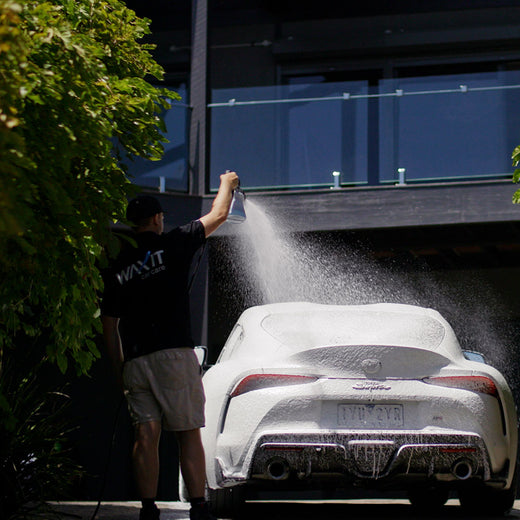
Something like the Kwazar Orion is a pressurised tank you pump up once, then spray continuously without squeezing anything. That suits covering a whole car, a snow foam pre-soak without a pressure washer, rinseless washing, or working APC through an engine bay.
They also lay product down more evenly than a trigger, because the pressure stays constant rather than dropping off between pulls. That matters for anything you want in a thin, consistent film.
The trade is setup. You pump it, you carry it, and there's more to rinse out afterwards. For a quick spray of quick detailer on one panel, a trigger bottle wins every time. The Orion comes in 6L and 9L, and unless you're doing real volume the 6L is plenty.
How do I get my dilutions right?
Measure it once properly, then label the bottle.
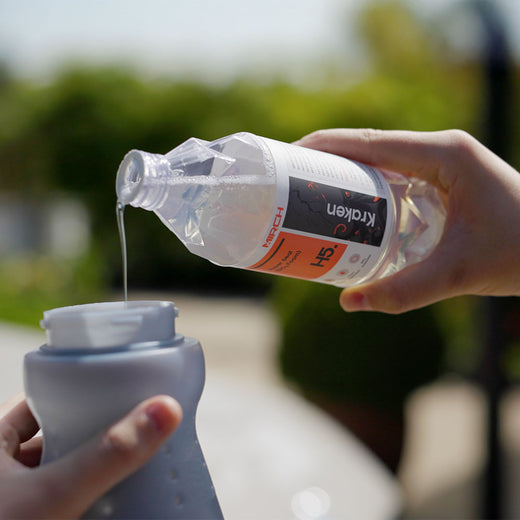
Most concentrates give a ratio rather than an amount, so 1:10 in a 750mL bottle is roughly 68mL of product and the rest water. Easier again if the bottle does the maths for you. The Economax Dilute and CARPRO Dilute both have dilution ratios printed on the side, so you fill to the line for the ratio you want and you're done. A measuring cup covers anything that doesn't.
Water goes in first, then the concentrate. Do it the other way and you'll foam the bottle up before it's half full, which is both messy and hard to measure.
Then label it. A bottle of unlabelled liquid on a shelf is a bottle you'll end up tipping out, and an APC at the wrong strength on the wrong surface is how trim gets stained.