
Detailing Lights
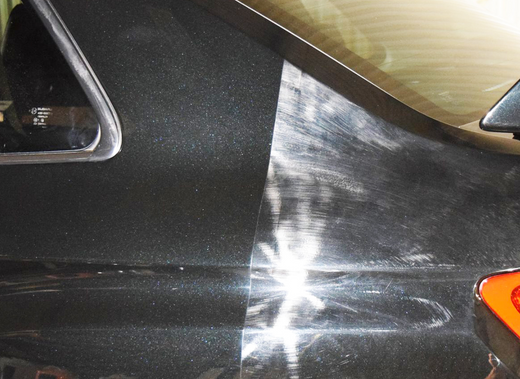
A quality inspection light helps reveal swirls, scratches, high spots and residue that can be difficult to see under normal lighting. Our range of detailing lights are selected to provide clear, consistent illumination so you can properly assess your work. Whether you need a compact car detailing light, a portable light for mobile work, or a reliable LED torch for quick inspections, these tools help make defects and imperfections easier to spot.
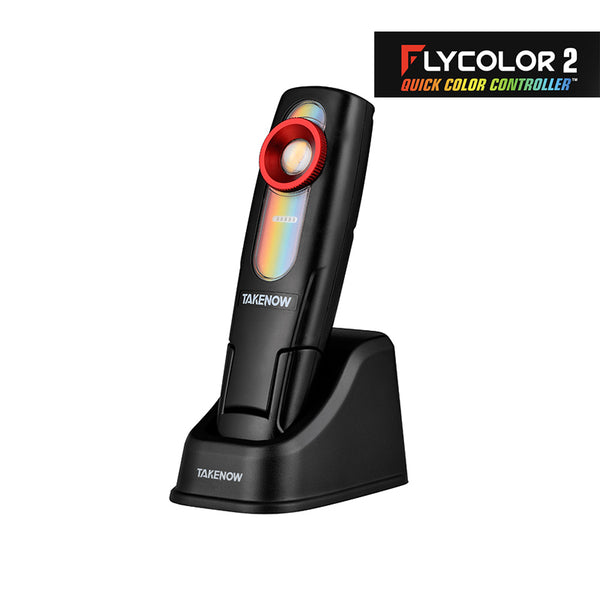
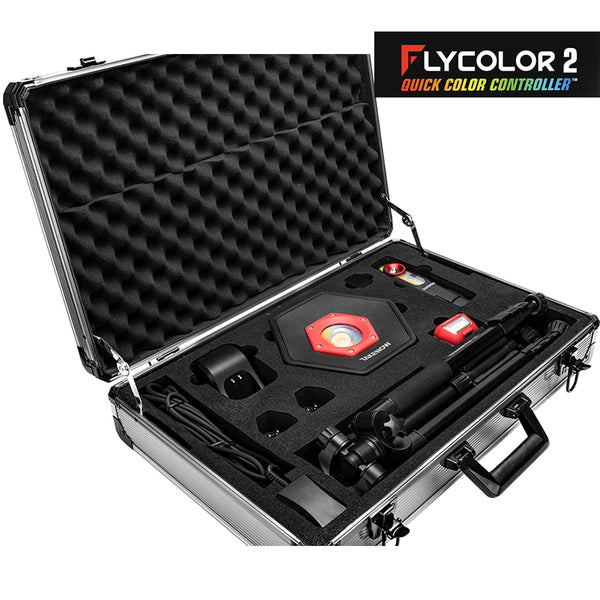
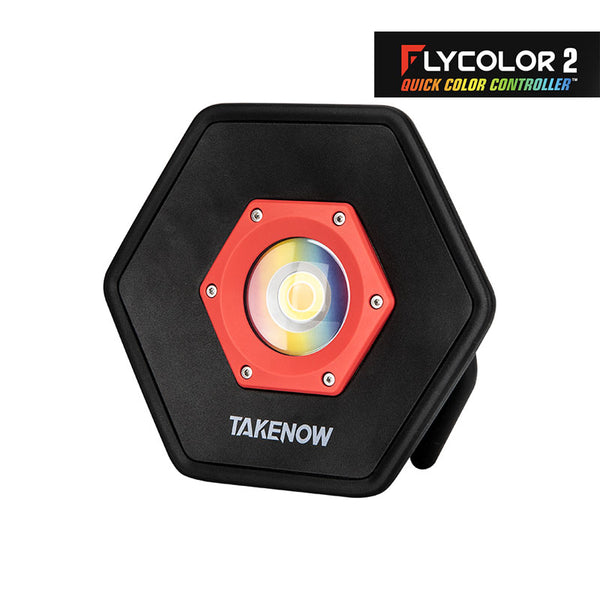
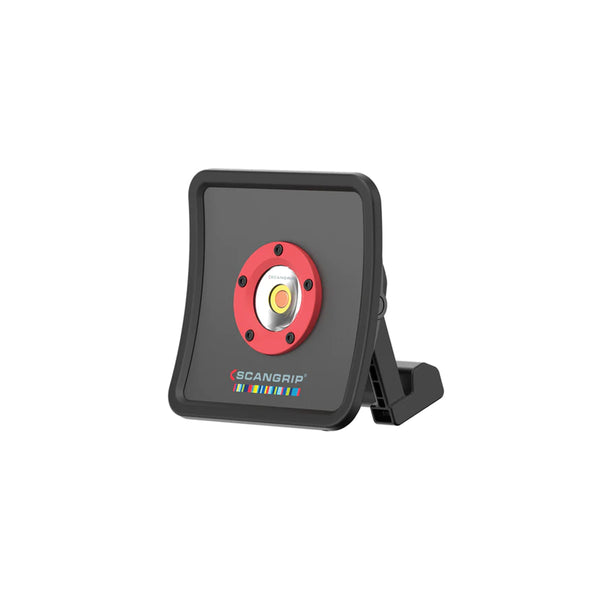
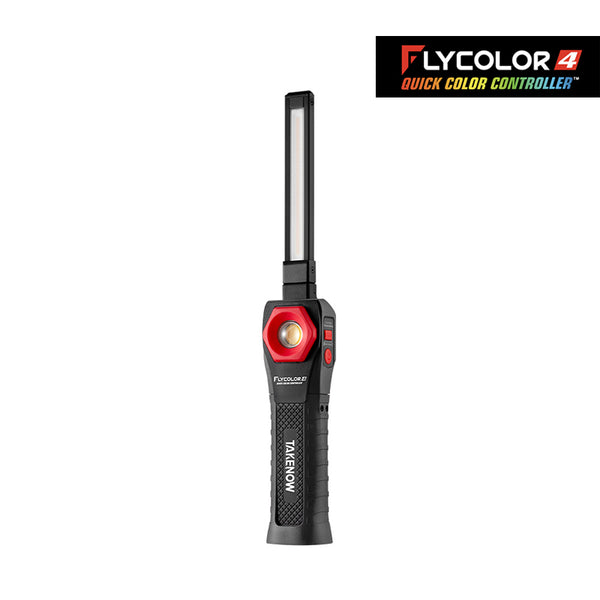


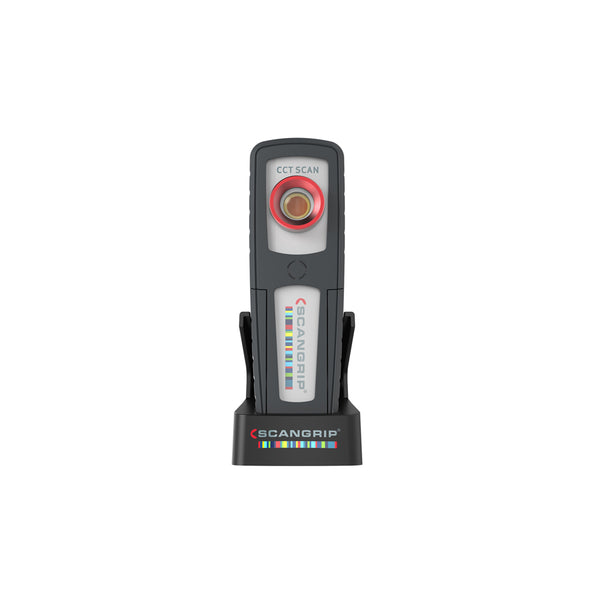


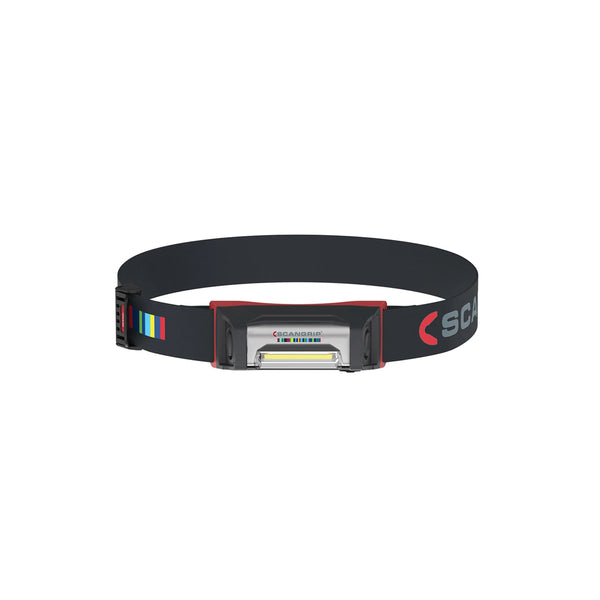


Detailing Lights, in action


FAQ's: Detailing Lights
Choosing the right inspection light can make a big difference when assessing paintwork and detailing results. Light output, colour temperature and beam pattern all influence how clearly defects become visible. Below we’ve answered some of the most common questions about using detailing lights and selecting the right car detailing light for your setup. If you are unsure which option suits your workflow, we are always happy to help.
Still unsure? Ask us ›What is an inspection light used for in car detailing?
A good inspection light creates focused, consistent illumination that allows you to inspect the surface from different angles. This makes it easier to identify areas that still need correction or polishing.
Detailers commonly use inspection lights throughout the entire process, from assessing the condition of the paint before polishing to checking the finish after correction or coating application.
What features should I look for in a car detailing light?
- Adjustable brightness to inspect different surfaces and lighting conditions.
- Colour temperature between 4000k and 6000k.
- Focused beam pattern for highlighting paint defects.
- Rechargeable battery for longer working sessions.
- Handheld style design for tight areas and to avoid fatigue over long sessions.
What colour temperature is best for detailing lights?
Lighting in this range closely replicates natural daylight, which helps reveal swirl marks, scratches and polishing haze more clearly. Cooler light temperatures tend to highlight surface defects better than warm lighting.
Many professional detailing lights use a neutral white output in this range because it provides a good balance between clarity, colour accuracy and defect visibility.
Using the right colour temperature allows an inspection light to expose imperfections that might otherwise be missed under standard garage lighting.
Can detailing lights help identify high spots in ceramic coatings?
High spots occur when excess coating is left behind during the levelling stage. As the coating begins to cure, these areas can appear darker, smeared or slightly oily compared to the surrounding surface.
A quality car detailing light helps reveal these differences by creating focused illumination across the paint. When the light is moved across the panel at different angles, high spots will often reflect light differently from the properly levelled coating around them. Catching one early means a coating cloth will still take it off.