

Engine Bay
4.9from 450 reviews across this range
An engine bay cleaner lifts the oil, road grime and dust that builds up under the bonnet, and a good dressing afterwards keeps it looking clean for months rather than weeks. Engine bay detailing is one of the more satisfying jobs once you know where the water can and can't go, and the right tools make it a lot quicker. This collection has the degreasers, the dressings, the brushes and the Tornador air tools that do most of the work.
Featured items & kits
Hand picked for this category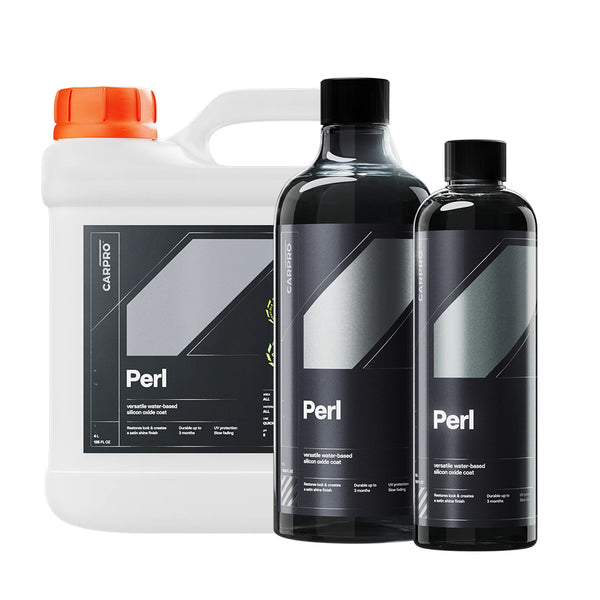






In action
Engine Bay, in action
 FeaturedKoch Chemie (MP) Motorplast
From $27.75Shop ›
FeaturedKoch Chemie (MP) Motorplast
From $27.75Shop ›


Engine Bay
FAQ's: Engine Bay
Most people are nervous about putting water anywhere near an engine, and fair enough. These are the questions we get asked the most.
Still unsure? Ask us ›How do I clean my engine bay?
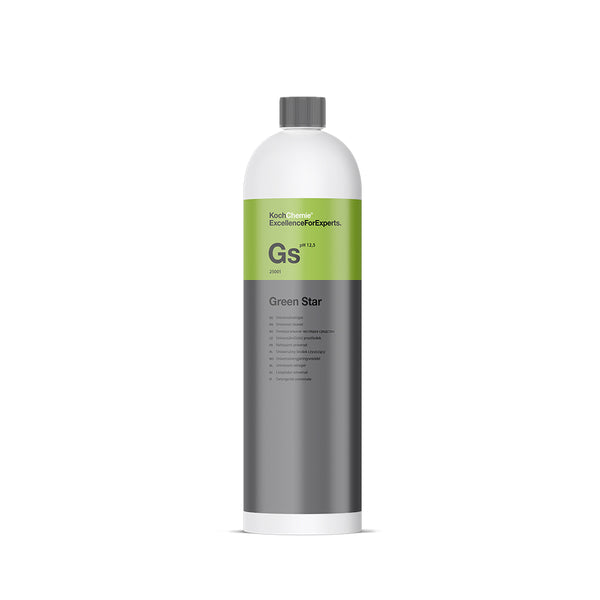
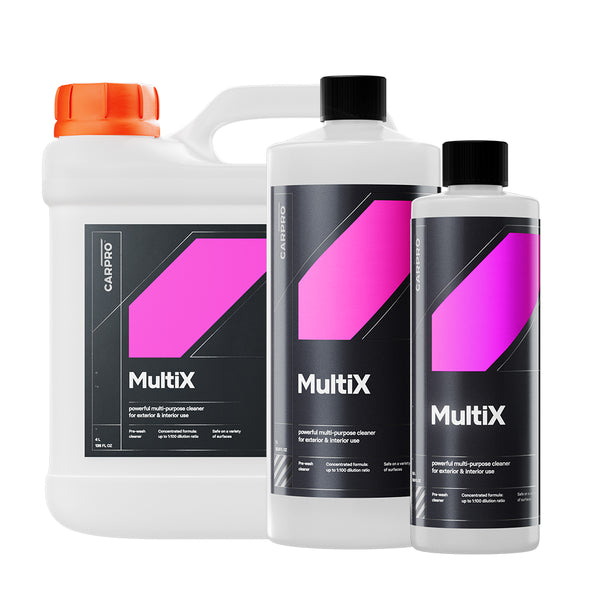
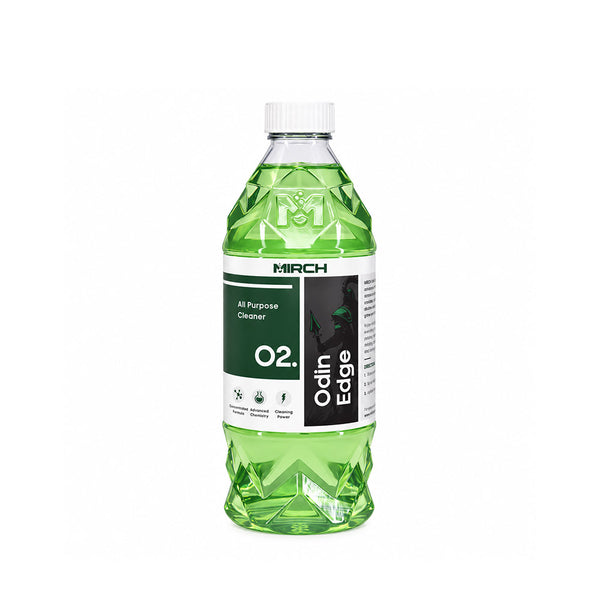
Start with the engine cold and the bay dry. Cover anything that hates water, the alternator, exposed air filter, fuse box and any loose connectors. A plastic bag and some UNI-PRO masking tape does the job. Spray an engine bay degreaser or a diluted all purpose cleaner over everything, let it sit for a couple of minutes, then agitate the grimy spots with a soft detailing brush. A Tornador on an air compressor does this step in a fraction of the time and gets into the corners a brush can't reach.
Rinse with low pressure, a garden hose or a pressure washer held well back on a wide fan, never a jet up close. Blow or towel dry, run the engine for ten minutes to finish drying, then dress the plastics. Half an hour for a car that's never been done, ten minutes for a maintenance clean.
Rinse with low pressure, a garden hose or a pressure washer held well back on a wide fan, never a jet up close. Blow or towel dry, run the engine for ten minutes to finish drying, then dress the plastics. Half an hour for a car that's never been done, ten minutes for a maintenance clean.
What should I be careful of when cleaning an engine bay?
Water where it shouldn't go, and heat. Modern engine bays are more sealed than people think, but the alternator, a cone or exposed air filter, the fuse box, the coil packs on older cars and any connector that's been unplugged and left loose are the things that don't like a soaking. Cover them, keep the pressure low around them, and you're fine. Never clean a hot engine, cold water on hot alloy can crack it, and degreaser flashes off before it can work.
The other one is the product. Strong degreasers and acidic wheel cleaners will stain bare alloy and dull painted parts if left to dry. Work in shade, keep it wet, rinse before it dries. And keep degreaser off the brake components and belts where you can.
The other one is the product. Strong degreasers and acidic wheel cleaners will stain bare alloy and dull painted parts if left to dry. Work in shade, keep it wet, rinse before it dries. And keep degreaser off the brake components and belts where you can.
How do I protect the engine bay after cleaning?
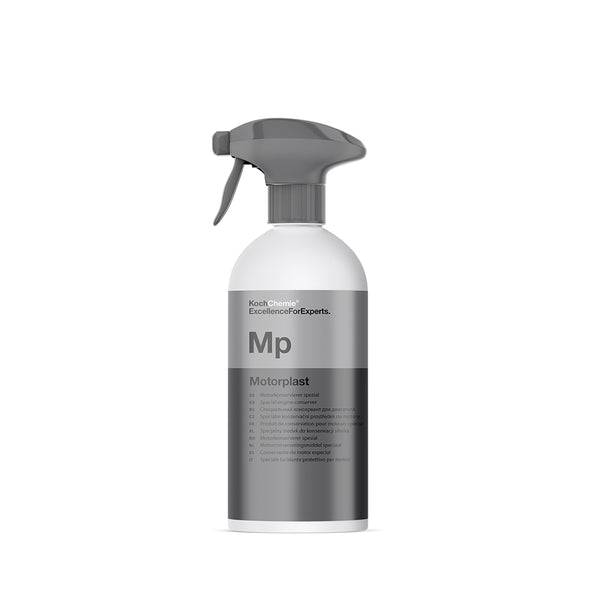
Dress it. Once the bay is clean and dry, a plastic and rubber dressing on the covers, hoses and trim brings the black back and makes the next clean easier because dust and grime don't stick as hard. Something like CARPRO PERL diluted down is quick to spray on, and Koch Chemie Motorplast is the dedicated engine bay conserver that leaves a dry, satin finish and holds up to heat well.
Spray, let it sit, then wipe or blow off the excess so nothing's left pooling. Skip the high gloss dressings under the bonnet, they attract dust and look greasy within a week. A satin finish looks factory and stays that way. Our plastic and trim restorers cover the rest.
Spray, let it sit, then wipe or blow off the excess so nothing's left pooling. Skip the high gloss dressings under the bonnet, they attract dust and look greasy within a week. A satin finish looks factory and stays that way. Our plastic and trim restorers cover the rest.
What tools do I need for engine bay cleaning?
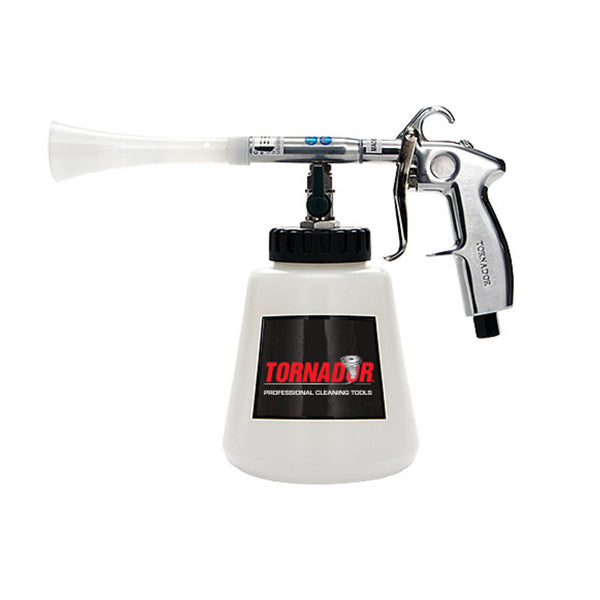
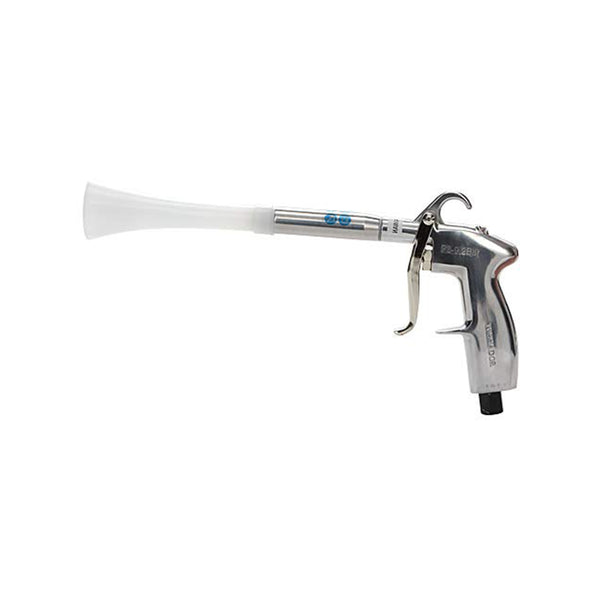
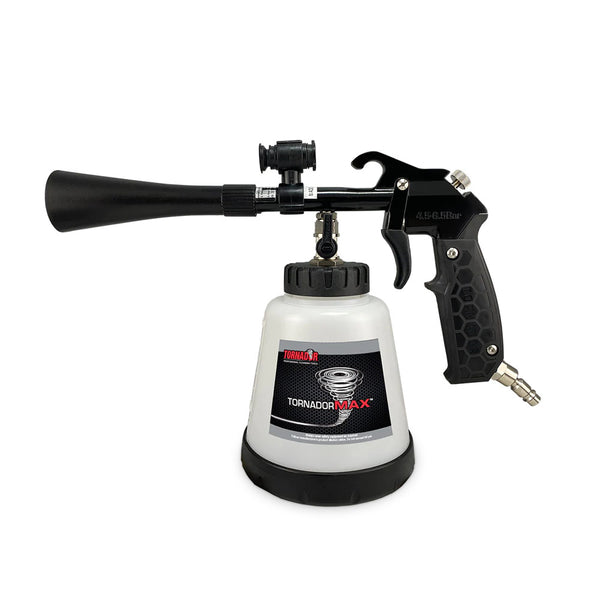
A soft detailing brush or two, a couple of spray bottles or a pump up sprayer for degreaser and dressing, and some old microfibres you don't mind ruining. That covers the basics. If you're doing engine bays regularly, or you want the job done properly in a quarter of the time, a Tornador is the tool. It runs off an air compressor and blasts cleaner into the surface with a spinning cone of air and liquid, so it lifts grime out of textured plastics, around bolts and under hoses where nothing else reaches.
The Tornador Classic is the one most detailers start with, the Black and MAX add more power and a bigger nozzle, and the Foam version turns your cleaner into a foam for vertical surfaces. Our air tools collection has the compressor fittings and blow guns to go with them.
The Tornador Classic is the one most detailers start with, the Black and MAX add more power and a bigger nozzle, and the Foam version turns your cleaner into a foam for vertical surfaces. Our air tools collection has the compressor fittings and blow guns to go with them.