

Gloves & Protective Wear
4.8from 53 reviews across this range
Detailing is harder on your hands and knees than most people expect. A day of washing in cold water, neat chemicals on your skin, and hours kneeling on concrete around wheel arches all add up. The gloves here cover the three jobs that matter, grip when everything's wet, a barrier between your skin and the chemical, and dampening the vibration out of a polisher on a long correction.
Featured items & kits
Hand picked for this category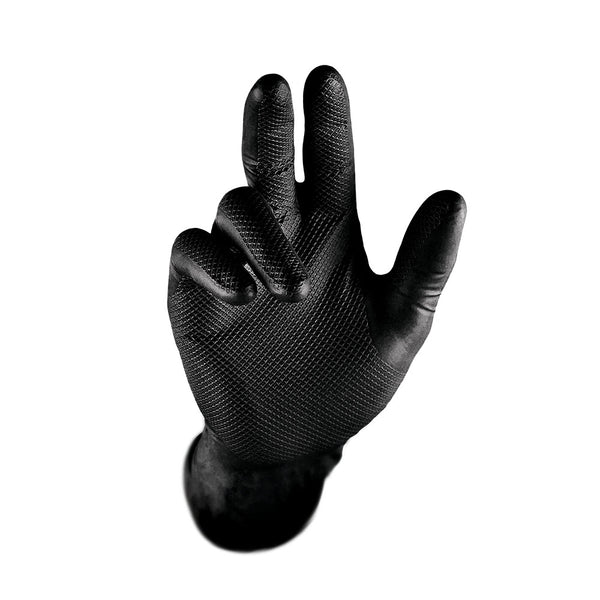

 25% offPro's Choice




Gloves & Protective Wear
FAQ's: Gloves & Protective Wear
Which glove for which job, and whether anti-vibration gloves are worth it. These are the questions we get asked the most.
Still unsure? Ask us ›Which gloves should I use for detailing?
Depends what you're doing, and most people end up with two pairs.
For washing and chemicals, a nitrile glove with real grip. Grippaz are the ones we use, textured on both sides so they hold onto a wet bottle or a wash mitt instead of sliding around, and thick enough to stand up to a day's work rather than splitting on the first knuckle. That matters more than it sounds when you're handling neat wheel cleaner or APC concentrate.
For handling and finishing, a microfibre glove. These aren't chemical protection, they're for keeping fingerprints and skin oils off a panel you've just finished, and for handling coated glass or freshly levelled paint without leaving marks.
For polishing, see below.
Cold water is the other thing nobody plans for. A winter wash without gloves is miserable, and it's the main reason people stop washing properly in July.
Are anti-vibration gloves worth it for polishing?
If you polish for hours at a time, yes.
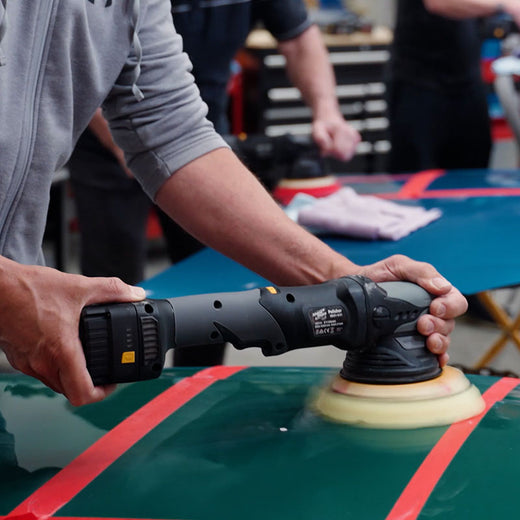
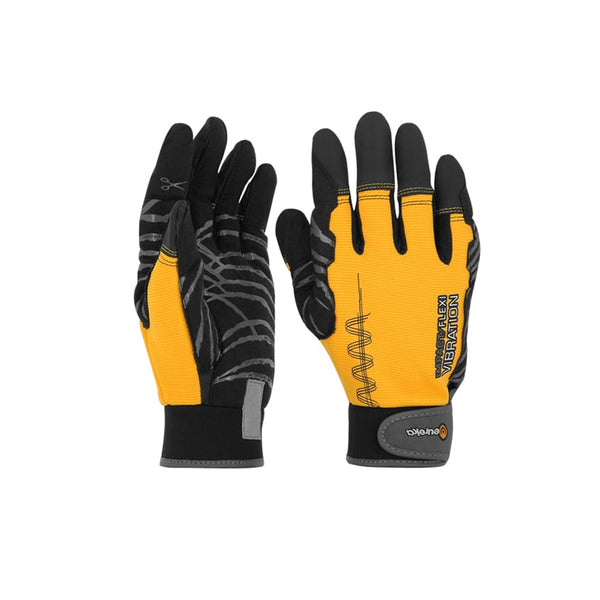
A dual action polisher puts a constant vibration through your hands and forearms, and after a full day of correction you'll feel it in your wrists and grip. Anti-vibration gloves have padding through the palm that absorbs some of that before it reaches you, so you finish the car with a steadier hand and less fatigue.
For an enthusiast doing one car a month, they're a nice-to-have. For a detailer polishing every day, they're the difference between comfortable and sore, and long term exposure to tool vibration is a genuine occupational issue rather than just discomfort.
The other thing worth having is a kneeling pad. Wheels, sills and lower panels mean a lot of time on concrete, and your knees will thank you long before your wrists do.