

Interior Protectants & Dressings
4.9from 271 reviews across this range
An interior protectant does two jobs at once, it dresses the dashboard, door trims and plastics so they look clean and even, and it leaves a UV barrier behind so they don't fade, crack or go chalky. The good ones finish dry and satin, close to how the car looked new, rather than the greasy gloss that attracts dust and smears the windscreen. This page covers the quick detailers for a wipe over between cleans, the dressings for a proper feed, and the sealants for longer term protection.
Featured items & kits
Hand picked for this category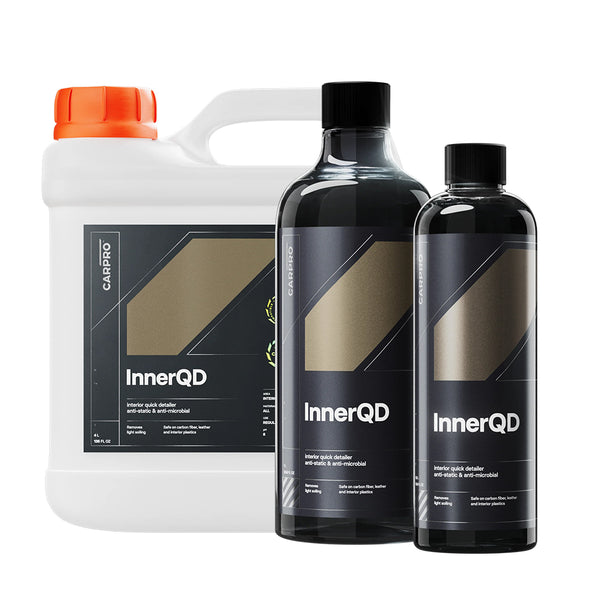



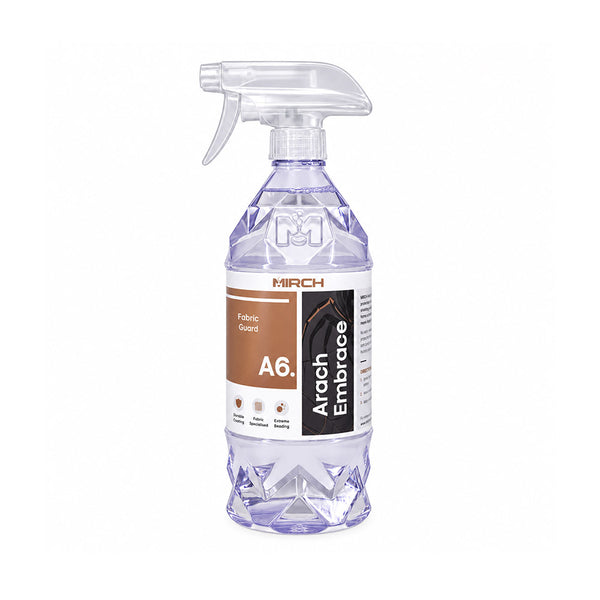
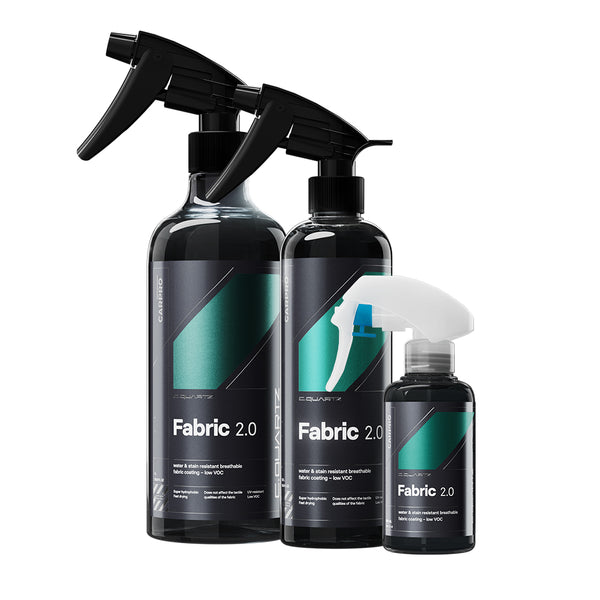
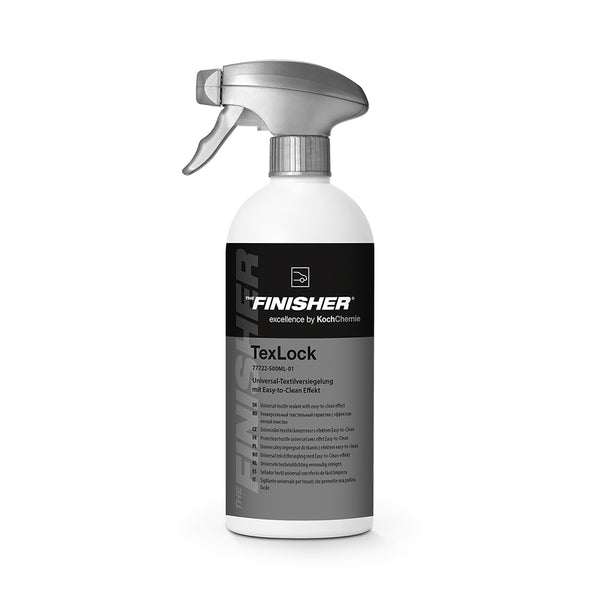


Interior Protectants & Dressings
FAQ's: Interior Protectants
Interior detailers, dressings or protectants, and how to avoid the greasy dashboard everyone's had at least once. These are the questions we get asked the most.
Still unsure? Ask us ›What's the difference between an interior detailer, a dressing and a protectant?
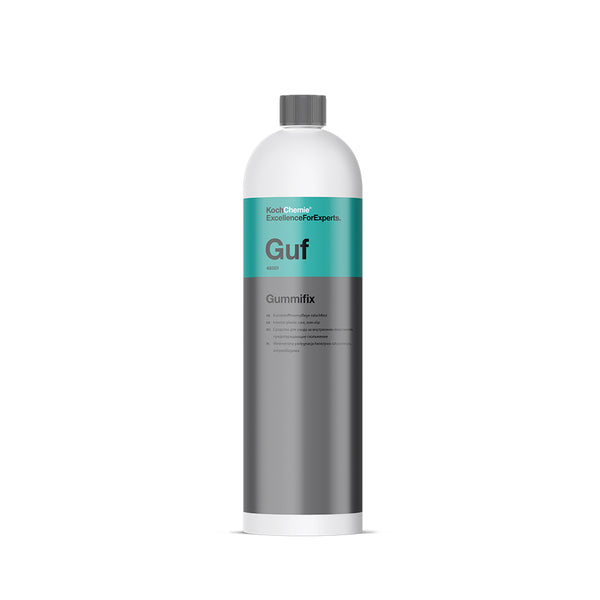
Mostly how long it lasts and how much it does. An interior quick detailer like InnerQD is the light option, a spray and wipe that lifts dust and fingerprints and leaves a clean, antistatic finish. It's what you use every couple of weeks. A dressing like Selene Glow goes a step further, evening out the colour on plastics and vinyl and leaving a satin finish with UV protection built in. A protectant or sealant like Gummifix is the long term layer, a dry, matte finish that resists dust and UV for months and makes the next clean easier.
Most people end up with two, a dressing or protectant after each proper interior clean, and a quick detailer in the door pocket for the in between.
Most people end up with two, a dressing or protectant after each proper interior clean, and a quick detailer in the door pocket for the in between.
Will it leave my dashboard shiny and greasy?
Not if you pick the right one and don't overdo it. The greasy dash is what silicone-heavy dressings from the servo do, and it's why a lot of people avoid interior products altogether. Everything on this page is chosen for a dry, satin or matte finish. Spray it onto a microfibre applicator rather than straight onto the dash, wipe it on thin, then buff with a clean cloth. If there's a sheen you can see from the driver's seat, you've used too much and it'll be on the inside of the windscreen within a week.
Clean first, too. Dressing over dust just seals the dust in. A quick pass with an interior cleaner and it'll go on evenly and last longer.
Clean first, too. Dressing over dust just seals the dust in. A quick pass with an interior cleaner and it'll go on evenly and last longer.
How often should I protect the interior?
Depends on the sun. A car parked outside all day will chalk a dashboard in a few years without protection, so on that car a dressing every couple of months is worth it. A garaged car can go longer. The easy test is to run a finger across the dash, if it feels dry and dusty rather than smooth, it's due.
Do the bits that cop the most UV first, the top of the dash, the door tops and the rear parcel shelf. Those fade years before the lower trims. For leather and fabric the products are different and so is the schedule, so treat them separately.
Do the bits that cop the most UV first, the top of the dash, the door tops and the rear parcel shelf. Those fade years before the lower trims. For leather and fabric the products are different and so is the schedule, so treat them separately.