
Pressure Washer Nozzles
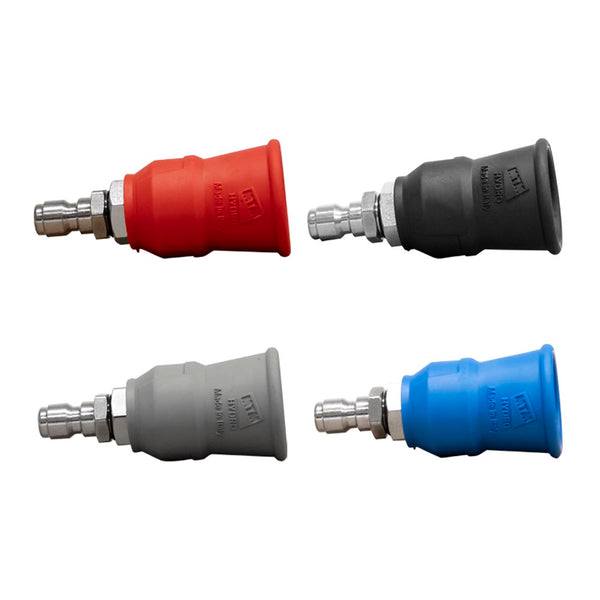
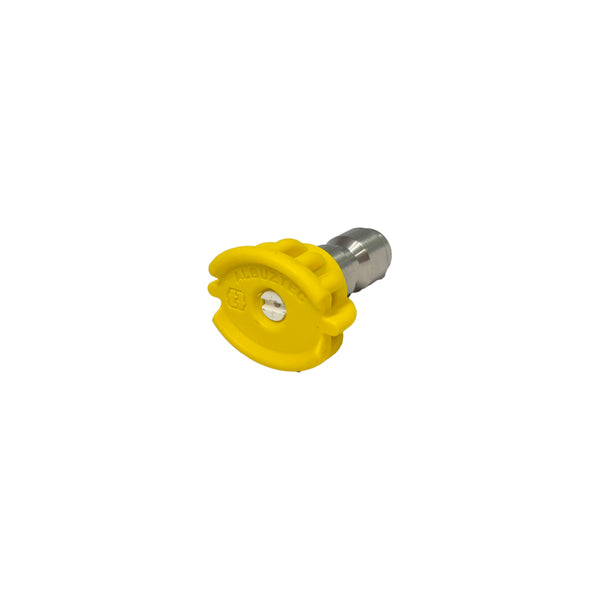
Pressure washer nozzles control two things: how wide the water fans out and how much gets through. Spray angle is the fan, orifice size is the hole, and matching the orifice to your machine's flow and pressure matters more than the brand on the box. We stock 1/4" quick connect nozzles in every common size and angle: Aquatouch if you're getting started, MTM stainless for everyday professional use, and Tecomec ceramic tips at the top of the range, because ceramic doesn't wear and widen the way steel does. Most domestic machines we sell land on a 030 or 035. If you're between sizes, go up one. Flow matters more than pressure for detailing.
Featured items & kits
Hand picked for this category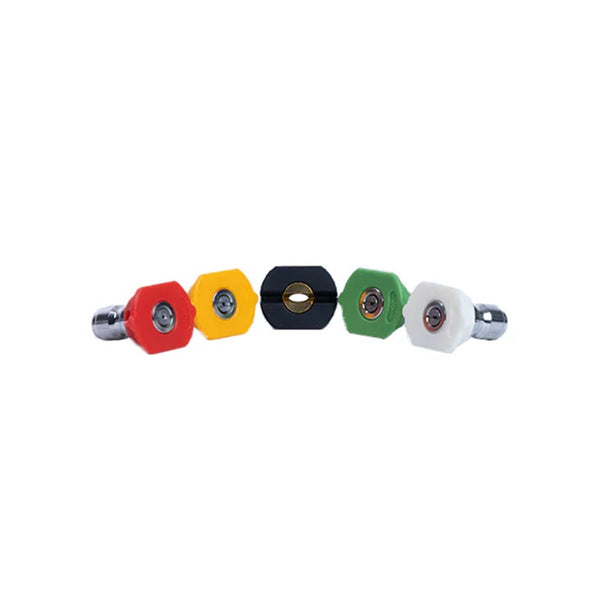 0% offMost Popular
 15.5% offBest Value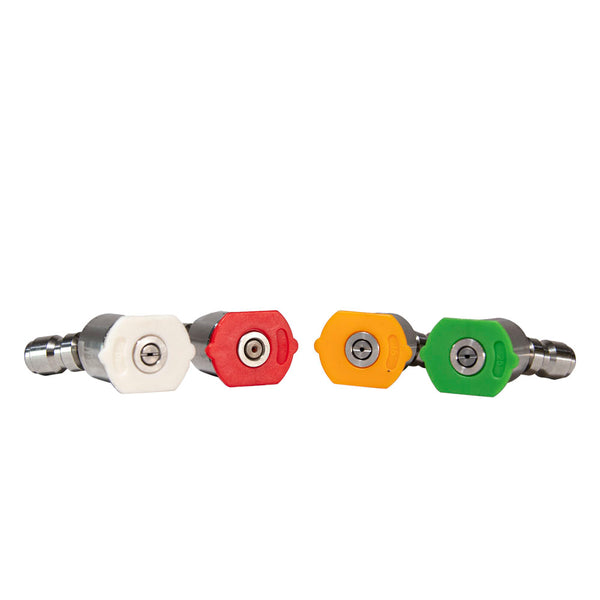
 15.5% off
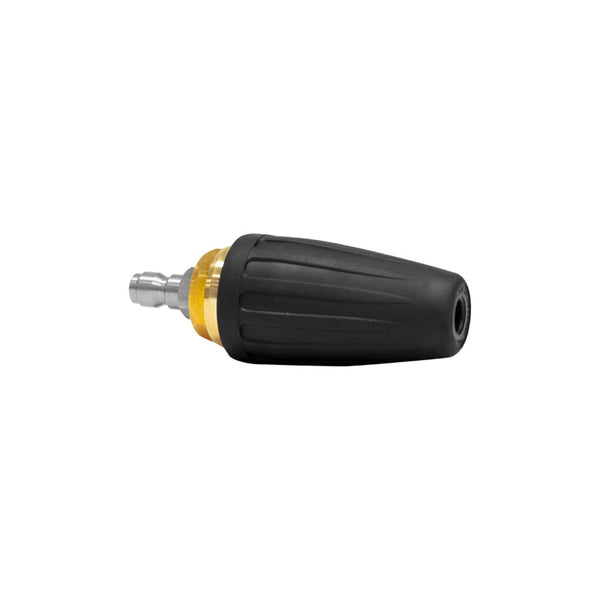 0% off

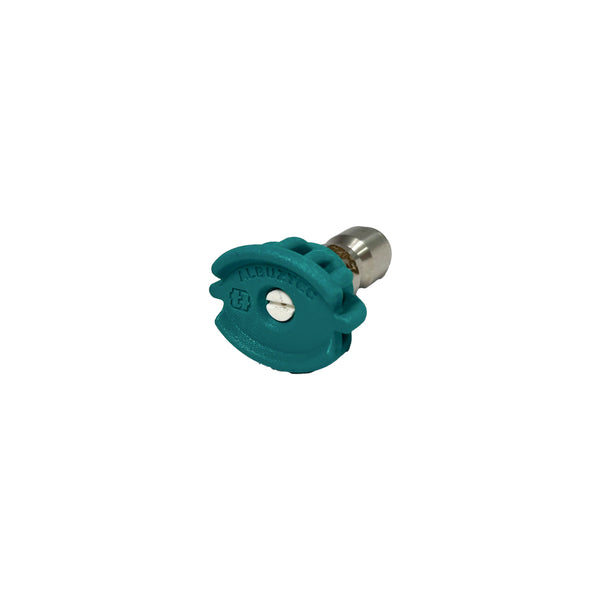
 0% off
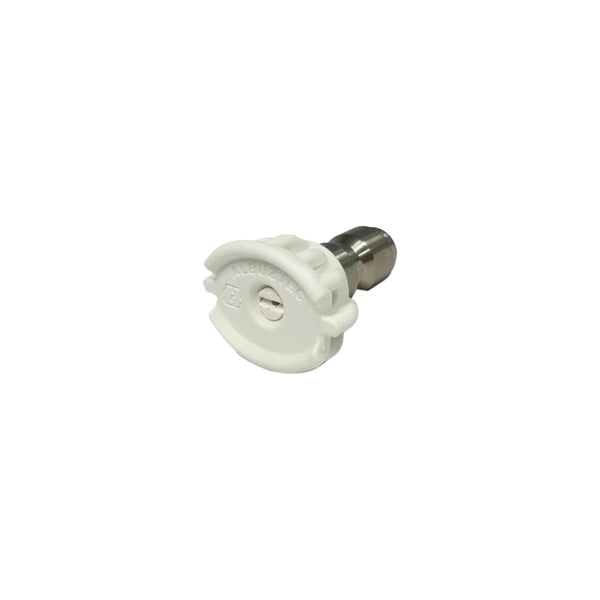



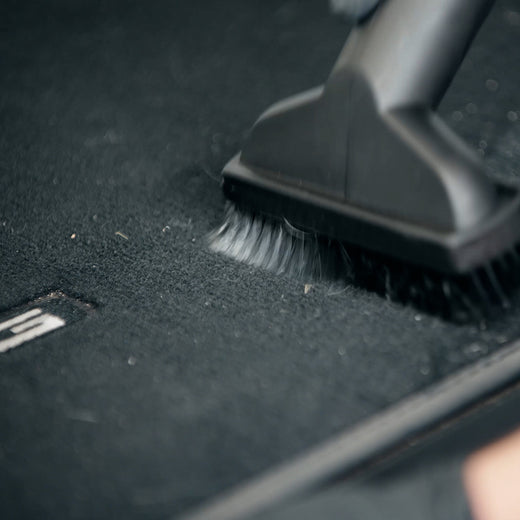
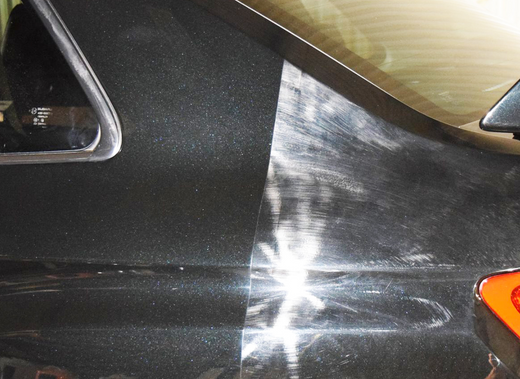
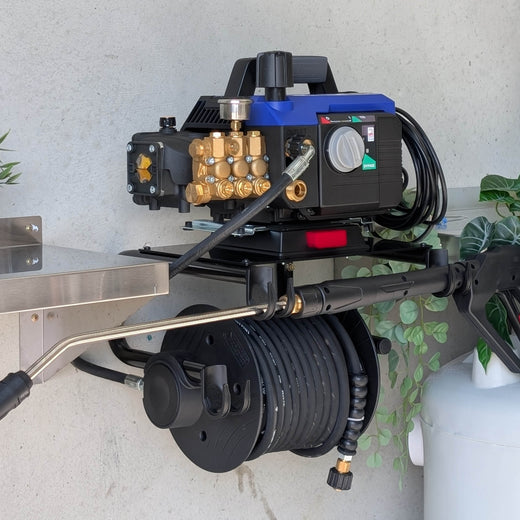
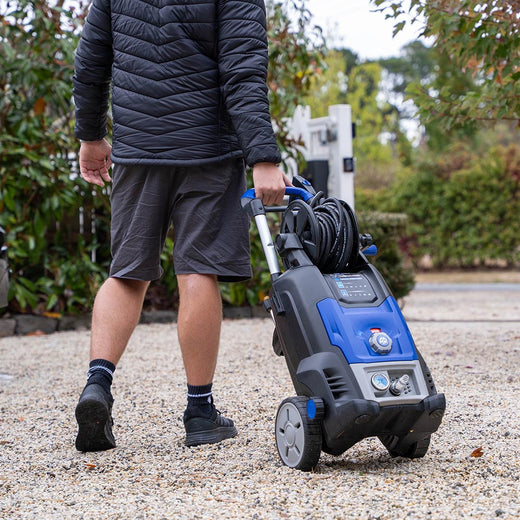
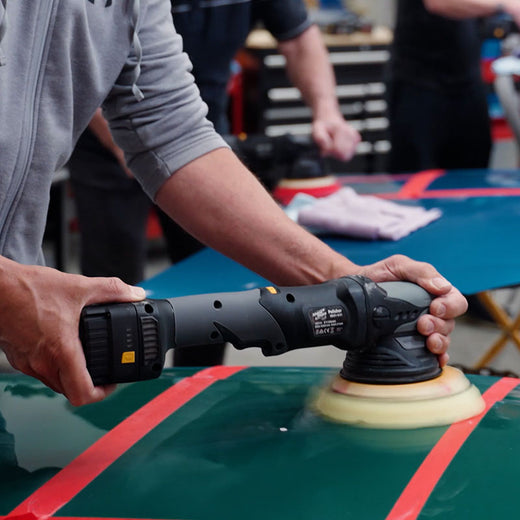
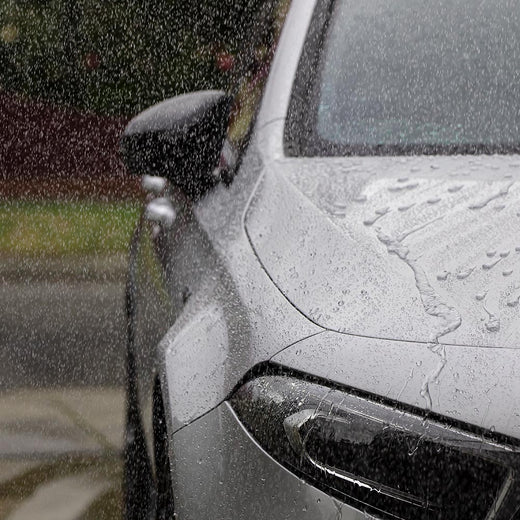
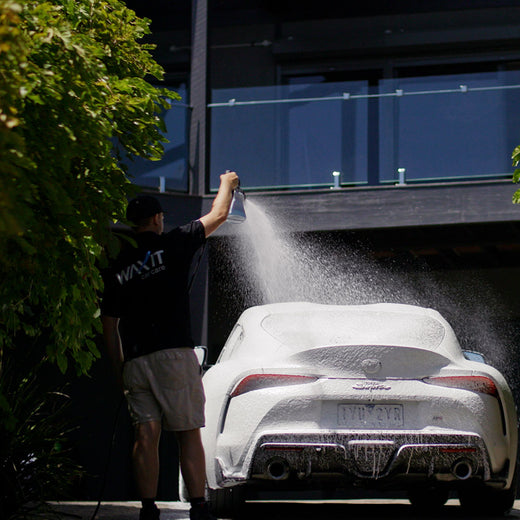
Pressure Washer Nozzles, in action
 FeaturedAquatouch 1/4" QC Full Pressure Washer Nozzle Set
$21.95Shop ›
FeaturedAquatouch 1/4" QC Full Pressure Washer Nozzle Set
$21.95Shop ›
 FeaturedMTM Pressure Washer Nozzle
$39.95Shop ›
FeaturedMTM Pressure Washer Nozzle
$39.95Shop ›
 FeaturedTecomec Ceramic 1/4" QC 15° Yellow Pressure Washer Nozzle
$17.95Shop ›
FeaturedTecomec Ceramic 1/4" QC 15° Yellow Pressure Washer Nozzle
$17.95Shop ›
FAQ's: Pressure Washer Nozzles
Orifice sizes, spray angles, PSI and flow. It's a lot of numbers for a small brass tip. These are the questions we get asked most, answered the way we'd explain it over the counter.
Still unsure? Ask us ›Which orifice size should I select for my pressure washer nozzle?
As a general rule, we are mainly looking for a balanced setup. We don’t want to drop pressure too much, or raise water flow dramatically - unless the machine has the power to back it up. We tend to slightly favour water flow, and optimise pressure - and that’s what our recommended orifice chart readings are going for.
If you’re unsure of your machine’s actual flow and working pressure, check the manufacturer specs or get in touch with us and we’ll help you select the right nozzle for your setup.
How does the orifice size impact water flow & pressure (PSI)?
The key thing to understand is that you’re not “adding” pressure by going smaller - you’re increasing that resistance. That extra restriction makes the pump work harder, which is why selecting the correct size is important. For detailing, we usually aim for a balanced setup suited to your machine with strong, safe pressure with healthy water flow - rather than simply chasing the highest PSI or water flow possible.
What should I be careful of when using my nozzles?
It’s also good practice to start your pressure washer with the gun pointed away from the vehicle. If there’s any pressure surge, air in the line, or an incorrect nozzle fitted, you don’t want that first burst hitting paint or trim and make sure the nozzle is properly seated in the quick connect fitting before use.
What angle nozzle should I be using?
Narrower angles, like 15° or especially 0°, concentrate the water into a much tighter stream. That dramatically increases impact force, which can be useful for heavy-duty cleaning around the home - things like concrete, driveways, brickwork or stubborn grime on hard surfaces. But for regular vehicle washing, those tighter angles can be too aggressive if you’re not careful.
As a general rule: wider for paint, narrower for hard surfaces - and always keep a sensible distance from the surface you’re cleaning.