
Rotary Polishers
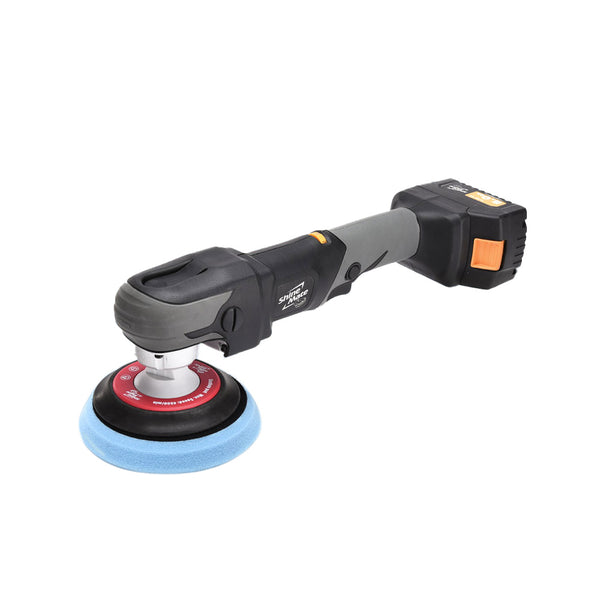
Our selection of rotary machines from ShineMate and Rupes offers exceptional cutting power and precision. Whether you're a beginner or a professional, these rotary machines provide the performance you need for a perfect polish. Each unit is built for reliability, smooth operation, and consistent results on all paint types. From full-sized rotary car polishers for heavy correction to compact mini rotary polishers for tight or intricate areas, there's a tool to suit every workflow. Shop our rotary machines today and take your paint correction to the next level.
 GuideLearn how to Cut & Polish your Car!Read the guide ›
Featured items & kits
Hand picked for this category 0% offMost Popular
 0% offBest Value
 0% offPro's Choice
 0% offPro's Choice
 0% off
 0% off
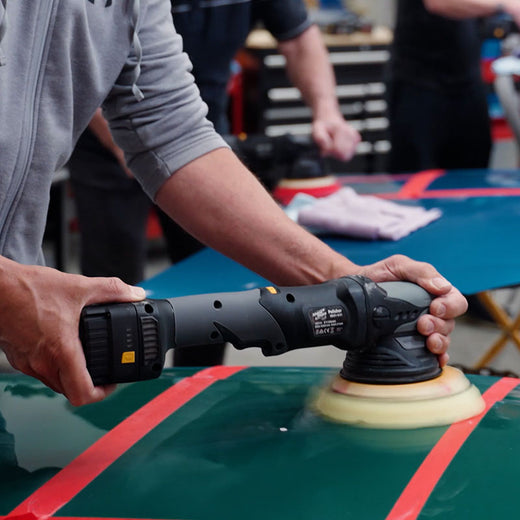
Rotary Polishers, in action
 FeaturedShineMate EB210
From $209.95Shop ›
FeaturedShineMate EB210
From $209.95Shop ›
 FeaturedShineMate EP803k
$293.95Shop ›
FeaturedShineMate EP803k
$293.95Shop ›
 FeaturedRupes Bigfoot LH19E
From $909.95Shop ›
FeaturedRupes Bigfoot LH19E
From $909.95Shop ›
FAQ's: Rotary Polishers
From compact mini rotary polishers to full-sized rotary car polishers built for serious cutting power, choosing the right rotary machine can completely change your polishing game. Whether you’re tackling deep scratches, chasing gloss, or levelling out heavy paint defects, rotary polishers give you the edge. Below, we’ve answered some of the most common questions so you can pick the perfect rotary polisher for your setup and skill level.
Still unsure? Ask us ›Should a beginner use a rotary polisher?
A rotary car polisher spins in a fixed circular motion, which builds heat faster and increases the risk of burning or holograms if your technique isn't right. Unlike a dual action, there’s no safety net. Once you're confident with pressure control, pad movement, and product timing, moving to a rotary or a mini rotary polisher becomes a smarter choice.
What is the difference between a Rotary polisher and Dual Action polisher?
While both types of polishers are great for paint correction, rotary polishers are generally more difficult to learn how to use but can be great at producing results, especially when cutting.
Dual Action machines are very user friendly, much safer and are great for general polishing, cutting and finishing.
Can you polish with a rotary?
We highly recommend looking into a dual action polisher if you are not 100% familiar with rotary machines when it comes to polishing or finishing.
How to use a rotary polisher?
Start by masking up the area you will be paint correcting. Normally we say to do section by section on an area approximately 6x the area of your pad. Mask up any sensitive areas with masking tape. Then you’ll need to decide your starting compound and pad. It’s always best to start off with the least aggressive compound & pad combination as the less clearcoat you remove is always the better, however, use your judgement based off the paint condition as well as whether the paint is a harder European or American paint, or a softer Japanese or Chinese paint, as well as experience.
Make sure your pad is perfectly balanced on the backing plate before applying compound. Try to stick to low to mid speeds to begin with and then moving up to the highest speed as needed down the track. A rotary used at lower speed with a light to medium pad and compounds is quite safe, it’s only when you start using it more aggressively that the risk of damaging the paint occurs.
Always keep your pad perfectly flat with the paint, it’s only when you start tipping the pad side to side or up and down that rotaries become difficult to control. Keeping the pad perfectly flat takes time and practice.
- Start with 4-5 drops of compound on a clean pad, as you progress you should use less compound as the pad is “primed”.
- Dab the compound into your working area.
- Using the slow speed spread it into the section to ensure a more consistent result throughout the whole section.
- Arm speed should be around twice as fast as the normal arm speed of a Dual Action Polisher, moving too slow can generate excessive heat. Moving too fast can reduce defect removal ability. It takes a bit of practice to find that sweet spot.
- Do 3 row horizontal & vertical passes overlapping each pass by 50%.
- Try and clean your pad out after every set of passes to remove the residue build up. You can use compressed air or a pad brush to clean the pad.
- Use a microfibre cloth to gently remove compound residue, then use an alcohol based cleaner to remove polishing oils.
- Assess your results with a light, then use your judgement of whether you need to change compound or move to the next area!
What size rotary polisher is right for me?
Mini Rotary Polisher (1-3”)
Use Case: Ideal for small or intricate areas such as badges, mirrors, handles and other tight curves and intricacies that may be found on a car's exterior.
Pros: Great control in small areas, lighter, easier to handle and can use different size pads (1”-3”).
Cons: Not suitable for large surfaces, takes longer to cover larger areas.
5” Rotary Polisher:
Use Case: A good all-rounder for general polishing tasks on cars. It offers a balance between coverage and control.
Pros: Versatile, can handle both small and large areas reasonably well. Most common and popular size of polisher.
Cons: May not reach very tight spots as well as a 3” polisher, can be difficult to use when unfamiliar with rotary polishers.
6” Rotary Polisher:
Use Case: Best for large, flat surfaces such as car hoods, roofs and doors.
Pros: Covers large areas quickly, efficient for bigger jobs, can use a 5” backing plate
Cons: Far less manoeuvrable in tight spaces, heavier and is significantly harder to control when unfamiliar with rotary machines.
Why choose ShineMate Polishers over other brands?
Our selection includes a variety of car polishers, making it almost effortless to find the best car polisher that meets your specific needs. Whether you're in search of a mini polisher for intricate detailing or a robust car buffing machine for professional-grade results, our line-up covers all aspects of car care.
In addition to offering top-tier machine polishers, we provide a full range of machine spare parts. Our customer service team is always ready to assist with troubleshooting, repairs, or warranty concerns, ensuring you have support throughout your journey.
Each of our car polishing machines is built with fully machined internals, steering clear of any cast-made components. This commitment to quality guarantees not only exceptional performance but also unparalleled reliability and safety in every machine. If you're passionate about your car or your detailing business, rely on us for the best car polishers in Australia, designed to elevate your car care experience to the next level.