
Car Leather Protection & Conditioners
4.8from 115 reviews across this range
Shop our range of car leather protectants, conditioners and leather coatings below. Conditioners feed the leather and keep it supple, protectants and coatings sit on top and take the wear, and between them they're what stops a seat cracking, fading or going shiny at the bolsters. We stock CARPRO, Koch Chemie, Nv and Shine Supply, from a quick conditioner you wipe on every few months through to a coating that lasts a couple of years.
 GuideHow to Clean and Protect Your LeatherRead the guide ›
Featured items & kits
Hand picked for this category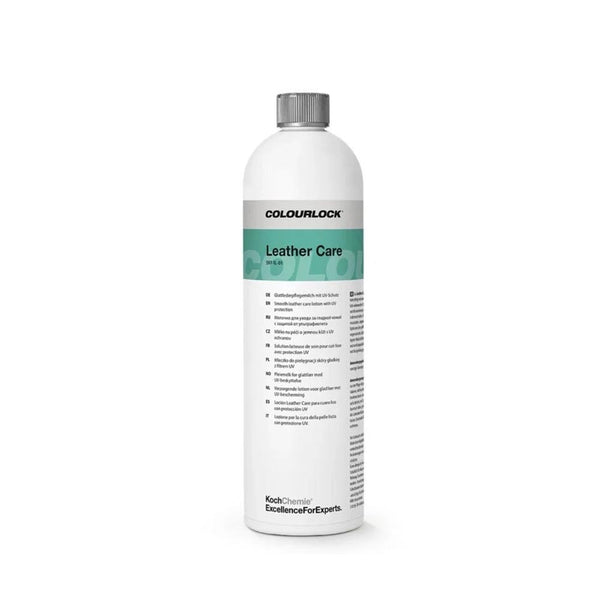 0% offMost Popular
 0% offOur Pick
 0% offPro's Choice



In action
Car Leather Protection & Conditioners, in action
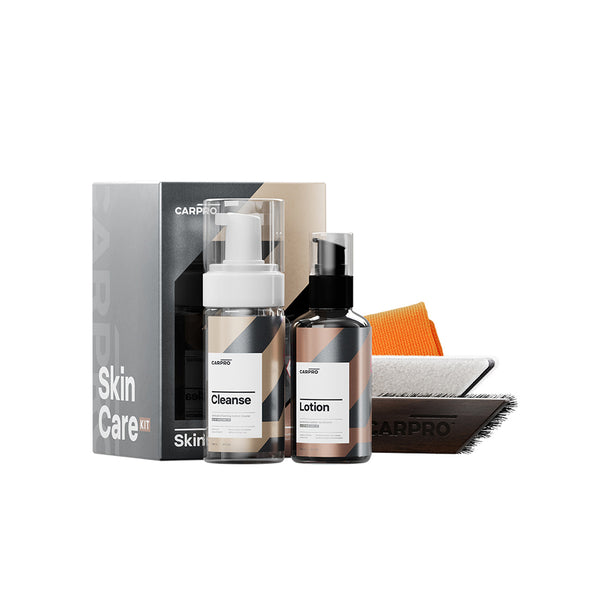
 FeaturedCARPRO SkinCare Leather Cleaning Kit
$54.95Shop ›
 FeaturedKoch Chemie Leather Care
$32.05Shop ›
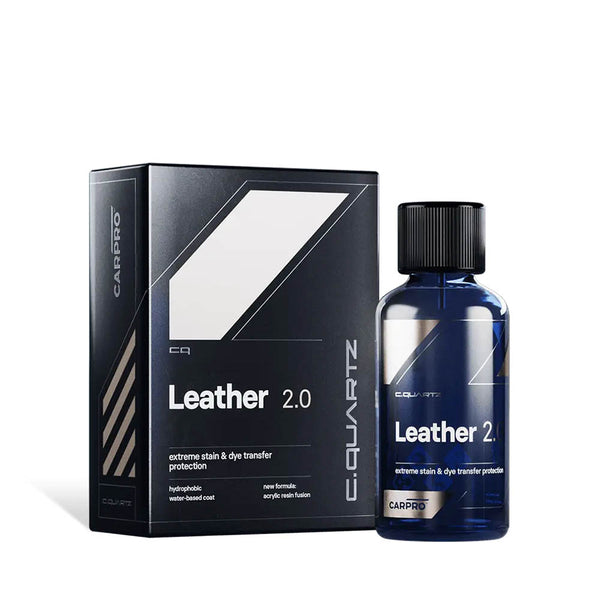
 FeaturedCARPRO C.QUARTZ Leather 2.0
From $114.95Shop ›
FeaturedCARPRO C.QUARTZ Leather 2.0
From $114.95Shop ›
Car Leather Protection & Conditioners
FAQ's: Leather Protection & Conditioning
The difference between a conditioner, a protectant and a coating, how often to treat leather seats, and what not to put on them. These are the questions we get asked the most.
Still unsure? Ask us ›What are the differences between a car leather protectant and a car leather conditioner?
They do opposite jobs, which is why most people end up using both.
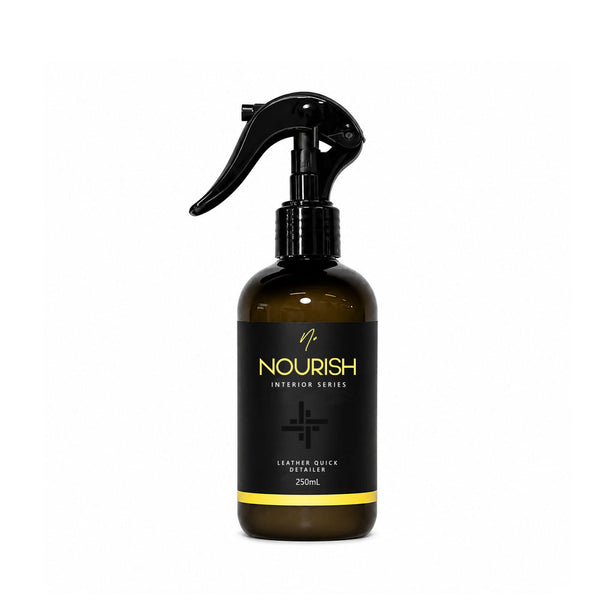
A leather conditioner works into the leather. It replaces the oils that heat and use strip out, keeping the hide supple so it flexes instead of cracking. Something like Koch Chemie Leather Care or Shine Supply Leather Conditioner is doing that.
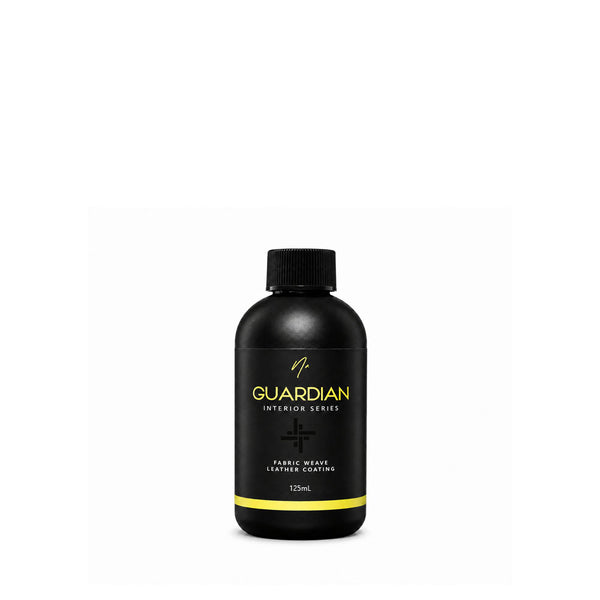
A leather protectant or coating sits on top of it. Nv GUARDIAN and C.QUARTZ Leather 2.0 form a barrier that takes the dirt, the denim dye transfer and the UV instead of the leather taking it. That's what stops the fading and the shiny worn patches on the driver's bolster.
Condition first, protect second. A coating over dry leather locks it in that condition, and there's no way to feed it afterwards without stripping the coating off.
How often should I condition my car leather?
Every three to six months for most cars, more often if it lives outside.
The Australian sun is the thing that decides it. A car parked in a garage and driven on weekends will be fine at six months. A car that sits in an uncovered carpark all week is drying out faster than that, and you'll see it first on the top of the rear seats and the upper door cards where the sun lands hardest.
The leather itself will tell you. If it feels dry or looks dull rather than having a slight sheen, it's overdue. If water still beads on it and it feels supple, you can leave it.
Clean before you condition, every time. Conditioning over a dirty seat just works the grime further in.
Do I need to clean leather before conditioning it?
Yes, and it's the step most people skip.
Leather picks up body oils, sunscreen, denim dye and general grime, and most of it sits in the grain and the perforations rather than on the surface. Put a conditioner straight over that and you work it deeper in instead of lifting it out, which is how light leather ends up with a grey cast that no amount of conditioning shifts.
A leather cleaner and a soft brush lifts it properly. Agitate gently, wipe away with a microfibre cloth, and let it dry before you condition.
Some conditioners have mild cleaning agents in them, which is enough for a maintenance wipe on leather that's already clean. It isn't enough for a seat that hasn't been touched in a year.
What NOT to use on leather car seats?
Anything that isn't made for leather, and a few things that claim to be.
Household cleaners, wipes and all purpose cleaners. Most factory leather is coated rather than bare, and it's that coating that does the work. A strong APC strips it, and once it's gone the leather underneath stains and dries out with nothing to stop it.
Anything with a gloss or silicone finish. A shiny seat looks treated for a week and then attracts dust, transfers onto clothes and gets slippery. Leather should come up with a low sheen, not a shine.
Solvents, magic erasers and anything abrasive. Melamine sponges take the coating off with the mark.
Some interior cleaners are safe on leather when they're diluted correctly, but read the dilution rather than assuming. If you aren't sure, a dedicated leather cleaner costs less than a re-trim, and you're welcome to ask us before you put something on a seat.
How long can I expect a leather coating to last?
Somewhere between one and two years for most leather coatings, and it depends more on use than on time.
C.QUARTZ Leather 2.0 sits at the longer end of that. Koch Chemie LeatherLock and Nv GUARDIAN are in the same range.
Where it wears out first is the driver's seat, the bolster you slide across every day and the armrest. Those go before the rear seats do, which is why a car can look coated everywhere except the one seat that gets used.
While it's working, a coating takes the staining, the dye transfer and the UV instead of the leather. When water stops beading on the surface and the leather starts feeling grippy rather than slick, it's time to clean it back and reapply.
What products are safe to use on alcantara?
Nothing in this collection. Alcantara is a synthetic microfibre fabric rather than a leather, and leather conditioners and protectants will mat the pile and leave it looking greasy.
Treat it as fabric. A dedicated alcantara or textile cleaner lifts dirt without flattening the nap, and Koch Chemie Pol Star is made for exactly this, it covers textile, leather and alcantara in one bottle. Agitate gently with a soft brush and brush the pile back up while it's damp.
For protection, a fabric protectant is what you want, not a leather coating.
Worth knowing that plenty of cars have both, alcantara on the seat inserts and leather on the bolsters, so it's common to need two products on one seat.