
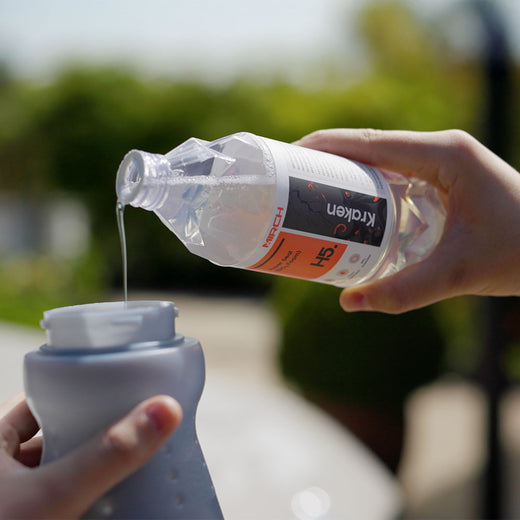
Water Spot & Mineral Removers
4.2from 120 reviews across this range
Water spots are the minerals left behind when hard water dries on paint, glass or trim, and left alone they etch in permanently. A water spot remover dissolves those deposits chemically before that happens. We stock CARPRO, Koch Chemie, MIRCH, Nv and Shine Supply, from a quick maintenance spray through to the heavier stuff for older staining.
 GuideHow to Remove Water SpotsRead the guide ›
Featured items & kits
Hand picked for this category 0% offMost Popular
 0% offOur Pick
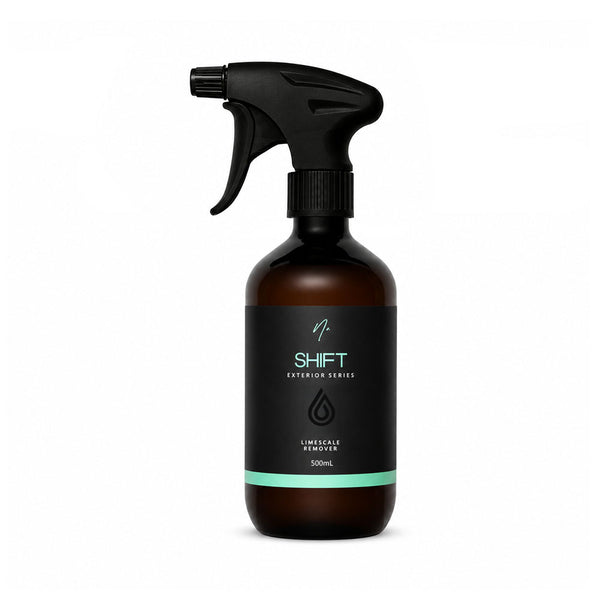 0% offPro's Choice
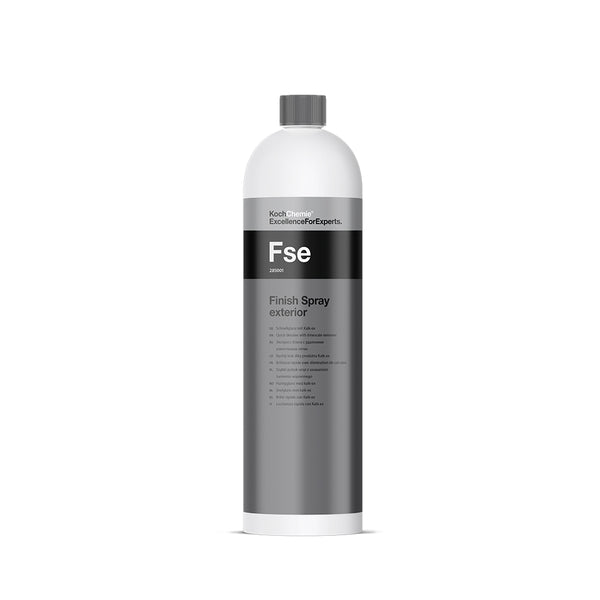 0% offPro's Choice
Koch-Chemie(FSE) Finish Spray Exterior | QD Limescale Remover
Rated 5.0 out of 5 stars
2 Reviews
From$213.95
9 products
 0% off

 0% off

 0% off
Koch-Chemie(RS) Reactivation Shampoo | Descaling Soap for Ceramic Coatings
Rated 5.0 out of 5 stars
4 Reviews
From$42.75
0% offKoch-Chemie(FSE) Finish Spray Exterior | QD Limescale Remover
Rated 5.0 out of 5 stars
2 Reviews
From$213.95
In action
Water Spot & Mineral Removers, in action

 FeaturedKoch Chemie (FSE) Finish Spray Exterior
From $26.70Shop ›
FeaturedKoch Chemie (FSE) Finish Spray Exterior
From $26.70Shop ›
 FeaturedCARPRO Spotless 2.0
From $17.95Shop ›
FeaturedCARPRO Spotless 2.0
From $17.95Shop ›
Water Spot & Mineral Removers
FAQ's: Water Spot Removers
What water spots actually are, how to remove them, the difference between a water spot and limescale, and when they've gone too far for a chemical to fix. These are the questions we get asked the most.
Still unsure? Ask us ›What are water spots?
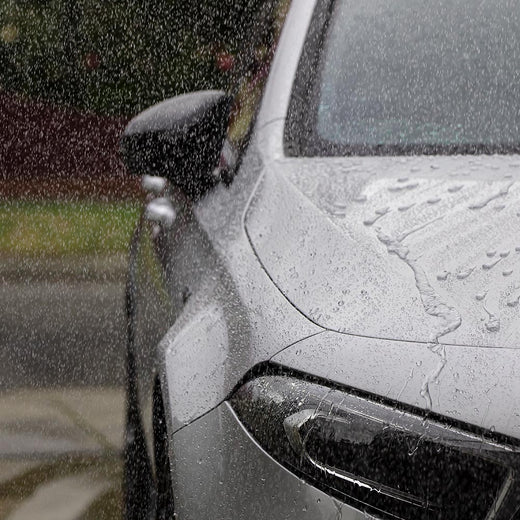
Water spots are the marks left behind when mineral-rich water dries naturally on your car's surface, whether that's paint, glass or trim. Almost all non-distilled water contains minerals like calcium and magnesium. When the water evaporates, those minerals stay behind and harden onto the surface.
Early on it's a surface-level problem, and a car water spot remover will lift them straight off. Leave them and they start to bond into the clear coat, which is what's known as water etching. Those show up as dull, crater-like marks that affect the clarity of the finish and no longer respond to a chemical.
The difference between the two is essentially time. A water spot sitting on top can be dissolved. One that's etched in has to be polished out.
Sprinklers, bore water and rain drying on a hot panel are the usual causes in Australia, and a dark coloured car parked outside will show them fastest.
Early on it's a surface-level problem, and a car water spot remover will lift them straight off. Leave them and they start to bond into the clear coat, which is what's known as water etching. Those show up as dull, crater-like marks that affect the clarity of the finish and no longer respond to a chemical.
The difference between the two is essentially time. A water spot sitting on top can be dissolved. One that's etched in has to be polished out.
Sprinklers, bore water and rain drying on a hot panel are the usual causes in Australia, and a dark coloured car parked outside will show them fastest.
How do you remove water spots from a car?
It depends how long they've been sitting there.
Fresh spots often come off in a normal wash. A pH neutral car wash like Nv SNOW will handle recent marks, and a slightly acidic wash such as CARPRO Descale is formulated specifically to break down mineral deposits across a whole car. Worth knowing an acidic wash will strip waxes and temporary sealants, so it's a periodic job rather than a weekly one.
Stubborn spots need a dedicated water spot remover. Products like CARPRO Spotless 2.0 and MIRCH Neptune Wrath chemically neutralise and dissolve the minerals rather than trying to scrub them off, which is the only safe way to shift them.
If neither works, the minerals have etched into the surface. At that point no chemical will touch it and you're into polishing or compounding territory.
Whatever you use, work in the shade on a cool panel and don't let the product dry on the surface.
Fresh spots often come off in a normal wash. A pH neutral car wash like Nv SNOW will handle recent marks, and a slightly acidic wash such as CARPRO Descale is formulated specifically to break down mineral deposits across a whole car. Worth knowing an acidic wash will strip waxes and temporary sealants, so it's a periodic job rather than a weekly one.
Stubborn spots need a dedicated water spot remover. Products like CARPRO Spotless 2.0 and MIRCH Neptune Wrath chemically neutralise and dissolve the minerals rather than trying to scrub them off, which is the only safe way to shift them.
If neither works, the minerals have etched into the surface. At that point no chemical will touch it and you're into polishing or compounding territory.
Whatever you use, work in the shade on a cool panel and don't let the product dry on the surface.
How do I stop water spots coming back?
Stop the water drying on the car in the first place. That's the whole of it.
Dry it properly. A good drying towel or a blower gets the water off before the minerals have a chance to settle. Letting a car air dry in the sun is how most water spots happen.
Keep it protected. A ceramic coating, wax or sealant means water beads and runs off rather than sitting in a flat puddle, and there's far less surface for minerals to bond to. It won't stop spots entirely, but it buys you time and makes them much easier to remove.
Watch where you park. Sprinklers are the worst offender, since bore and tank water carries far more mineral content than mains water. A garage or a shaded spot helps.
Deal with them early. A spot wiped off the same day is nothing. The same spot left through a summer is a polishing job.
Dry it properly. A good drying towel or a blower gets the water off before the minerals have a chance to settle. Letting a car air dry in the sun is how most water spots happen.
Keep it protected. A ceramic coating, wax or sealant means water beads and runs off rather than sitting in a flat puddle, and there's far less surface for minerals to bond to. It won't stop spots entirely, but it buys you time and makes them much easier to remove.
Watch where you park. Sprinklers are the worst offender, since bore and tank water carries far more mineral content than mains water. A garage or a shaded spot helps.
Deal with them early. A spot wiped off the same day is nothing. The same spot left through a summer is a polishing job.
Can you polish water spots out?
Yes, and once a water spot remover has failed, that's the answer.
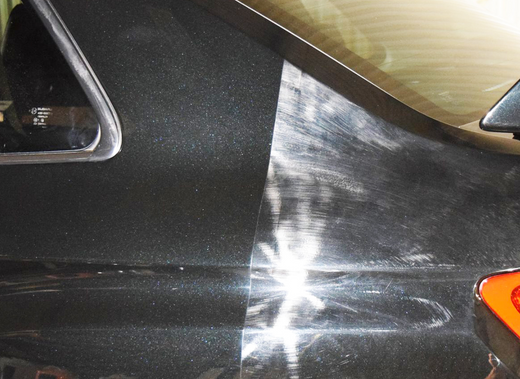
If a wash and a chemical remover haven't shifted it, the minerals have etched into the clear coat or the glass. You're dealing with a physical defect at that point rather than something sitting on the surface, so it gets corrected the same way you'd treat a scratch or swirl marks.
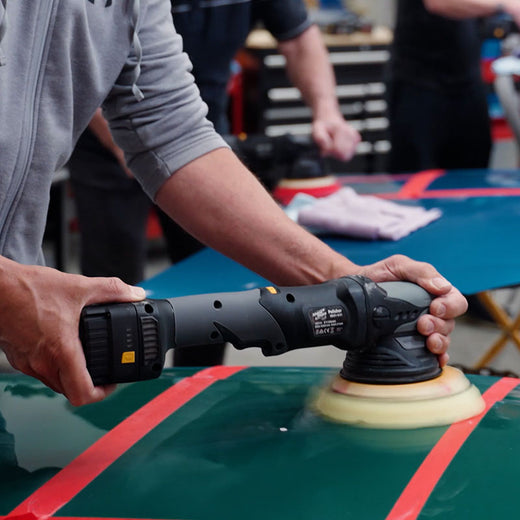
On paint, a machine polisher and an appropriate compound will take the etched layer back. How deep the etching goes decides whether a light polish does it or whether you need to step up to something more aggressive.
On glass it's a different process again, using a cerium oxide polish rather than a paint compound, since glass is far harder than clear coat.
If you aren't confident with a machine, this is the point to speak to a professional detailer. Etching is fixable, but taking too much clear coat off isn't.
If a wash and a chemical remover haven't shifted it, the minerals have etched into the clear coat or the glass. You're dealing with a physical defect at that point rather than something sitting on the surface, so it gets corrected the same way you'd treat a scratch or swirl marks.
On paint, a machine polisher and an appropriate compound will take the etched layer back. How deep the etching goes decides whether a light polish does it or whether you need to step up to something more aggressive.
On glass it's a different process again, using a cerium oxide polish rather than a paint compound, since glass is far harder than clear coat.
If you aren't confident with a machine, this is the point to speak to a professional detailer. Etching is fixable, but taking too much clear coat off isn't.
What's the difference between water spots and limescale?
They're the same thing described from different angles, which is why you'll see both words on the bottle.
Water spot describes what you see, a mark on the panel where water has dried.
Limescale describes what it's made of, the calcium and magnesium carbonate deposit the water left behind. It's the term European brands use, which is why Nv SHIFT and Koch Chemie FSE both carry it on the label.
So a limescale remover and a water spot remover do the same job. Both work by acidifying the deposit so it dissolves and releases from the surface rather than being scrubbed off.
The only practical distinction worth making is severity. Light spotting after a rain shower and heavy chalky scale from months of sprinkler water are the same chemistry, one just needs a stronger product and more dwell time.
Water spot describes what you see, a mark on the panel where water has dried.
Limescale describes what it's made of, the calcium and magnesium carbonate deposit the water left behind. It's the term European brands use, which is why Nv SHIFT and Koch Chemie FSE both carry it on the label.
So a limescale remover and a water spot remover do the same job. Both work by acidifying the deposit so it dissolves and releases from the surface rather than being scrubbed off.
The only practical distinction worth making is severity. Light spotting after a rain shower and heavy chalky scale from months of sprinkler water are the same chemistry, one just needs a stronger product and more dwell time.