

Wheel & Tyre Cleaners
Australia’s best range of wheel cleaners, right here. Whether you're after a dedicated wheel cleaner or a mag wheel cleaner for built-up brake dust, we’ve pulled together a range that does the job properly. With top brands like CARPRO, Nv, Koch Chemie & MIRCH, you're covered for everything from alloy wheel cleaners to safe rim cleaners. Each product is picked to clean, protect and keep your wheels looking their best.
 GuideLearn How to Clean and Protect Your WheelsRead the guide ›
Featured items & kits
Hand picked for this category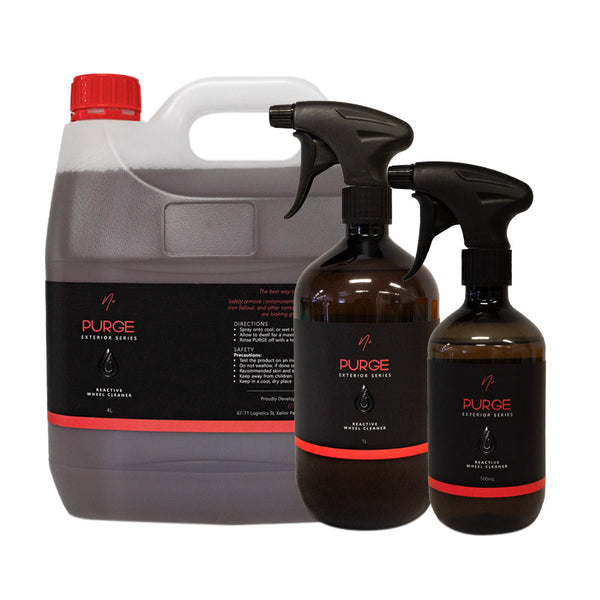
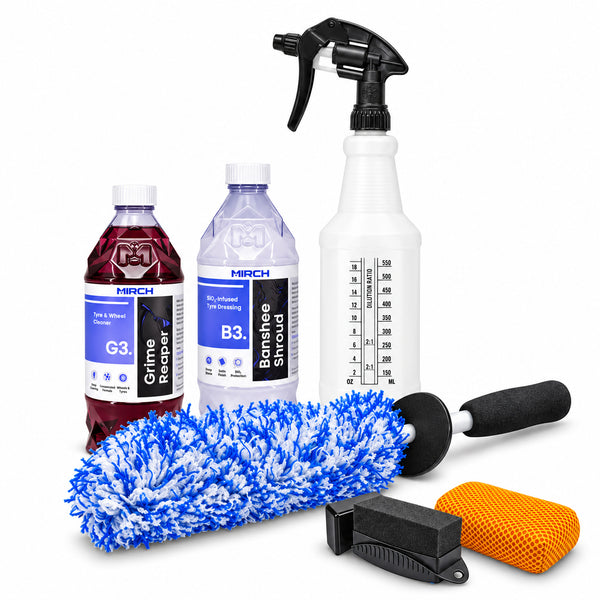

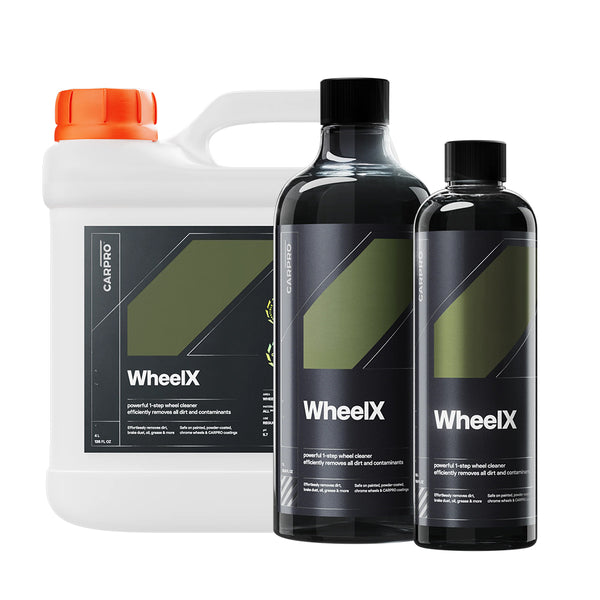
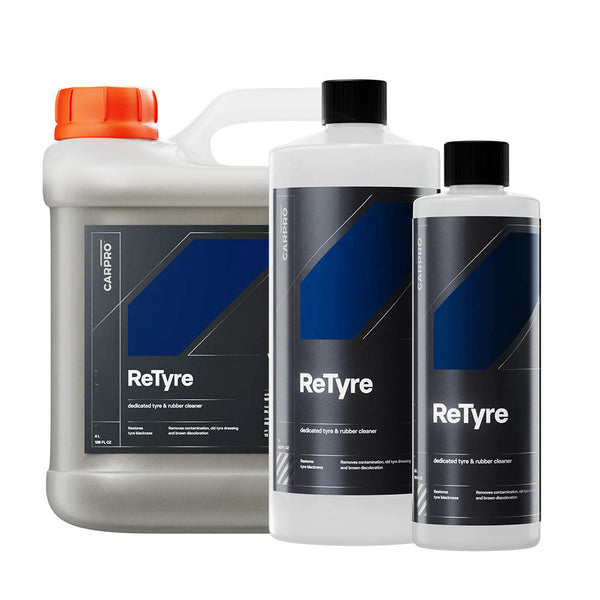
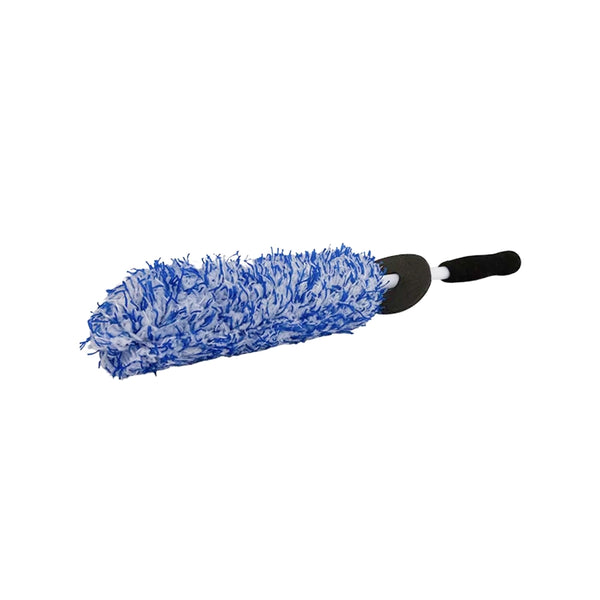
 25% off
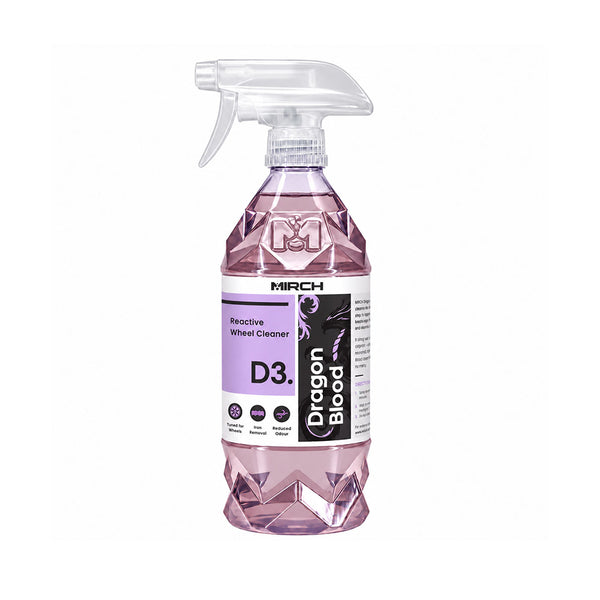
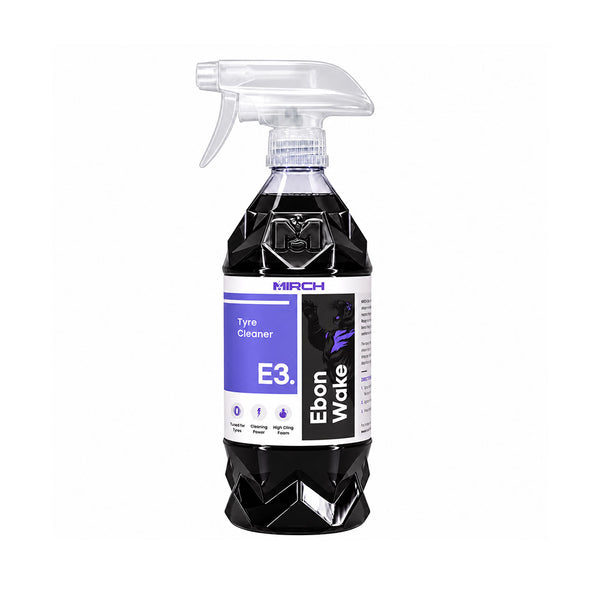


 0% off


 Sold out
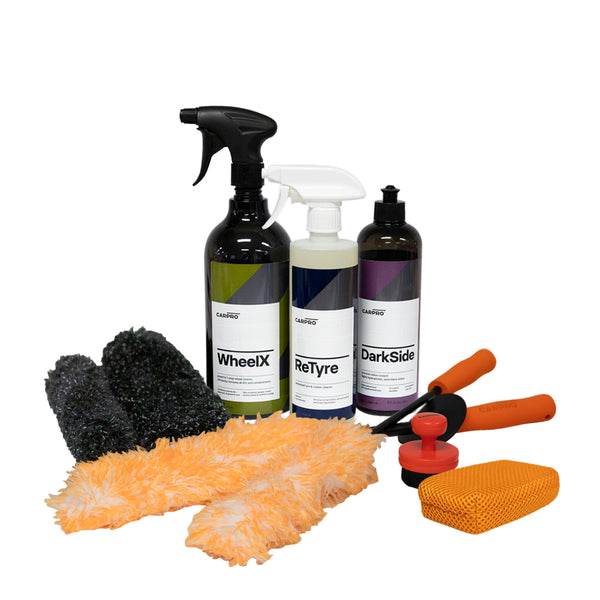
Wheel & Tyre Cleaners, in action
 FeaturedMIRCH Grime Reaper
From $18.95Shop ›
FeaturedMIRCH Grime Reaper
From $18.95Shop ›
 FeaturedNv PURGE
From $28.30Shop ›
FeaturedNv PURGE
From $28.30Shop ›


FAQ's: Wheel Cleaners
Choosing the right wheel and tyre cleaner isn’t always straightforward. Do you need something strong for caked-on grime or something gentle for delicate finishes? Are you looking for a fast car wheel cleaner for maintenance washes, or a deep-cleaning tyre degreaser? Below are some of the common questions we get about wheel and tyre cleaners, including how to use them, what to avoid, and which product is best for your setup.
Still unsure? Ask us ›What is the difference between a tyre cleaner and wheel cleaner?
Firstly, let's start with wheel cleaners. There are two main types, which are acidic and alkaline cleaners.
Acidic wheel cleaners are more targeted, as they react with minerals and deposits such as iron, which are often found in the brake dust, and common wheel contaminants. By actively trying to dissolve these contaminants, they can usually have an increased cleaning power, but may be harmful to some incredibly sensitive wheel finishes. This is the same chemistry used in a dedicated iron remover.
Alkaline wheel cleaners are usually the more general approach, ensuring safety on all wheel finishes, and can often be more eco-friendly. These certain products are packed with cleaning agents that target stubborn grime and dirt, but don't specifically target things like brake dust, iron deposits, etc.
Tyre cleaners on the other hand tend to be relatively similar to alkaline based wheel cleaners. With tyres, you are more looking to break down dirt, grime, oils and other common contaminants. These are more heavy duty than just your average car wash, and are specialised for cleaning rubber surfaces.
All in all, acid wheel cleaners are usually more popular as they target common wheel contaminants such as iron and brake dust, and alkaline wheel cleaners and tyre cleaners are more for general cleaning, and can usually be used on both wheels and tyres.
Can you use wheel cleaning products on tyres and vice versa?
Although specialised tyre cleaners are usually always the best choice, non-acidic wheel cleaners that target dirt, grime and oils are quite similar to tyre cleaners, and can definitely be used on both the wheel and tyre.
Acidic based wheel cleaners on the other hand won't damage your tyres in any way, they probably just won't be very effective at cleaning them, as they are trying to target contaminants on and in the wheel barrel, rather than things penetrating into your rubber.
Can you use wheel cleaners on black and painted wheels?
The same goes for the other common finishes. An alloy wheel cleaner and a mag wheel cleaner are the same product in most cases, the naming just follows what people call their wheels, and the products we stock are suited to alloy, mag, chrome, painted and powder coated finishes alike.
We always recommend reading the product directions and dilutions provided, and ensure you are using the product properly. Where you want to take more care is on raw or polished alloy and anodised finishes, which are far less common but far less forgiving, and on wheels with a ceramic coating where a pH neutral cleaner will protect the coating for longer.
Why do some wheel cleaners change colour?
This visual reaction is actually the wheel cleaners attacking and dissolving mineral deposits, such as iron, brake dust, and other common wheel contaminants. As these cleaners bind to these contaminants, they begin to loosen, and dissolve them, allowing you to simply pressure wash the wheel clean.
This allows for a touchless approach for wheel cleaning, and can work very well. On some heavily soiled wheels, although a lot of contamination is removed, some are just loosened and may require you to use some physical agitation with a wheel brush.
How often should I clean my wheels and tyres?
Generally speaking, wheel and tyre cleaners should be incorporated into your normal wash process, say every couple of weeks. But you may be rushed for time, or find your tyres aren't really that dirty so you skip this step, and that's fine.
What becomes more important is if you are wanting to apply any wheel protection, or say a tyre dressing, you want to ensure that these surfaces are clean, and no contaminants are going to inhibit these products from working.
If this is the case, we strongly recommend utilising a specific mag wheel cleaner, and a specialised tyre cleaner, whilst also using suitable wheel and tyre brushes to ensure the best clean.
This will allow you to get the most out of your tyre dressing, or wheel coating.
How can I minimise brake dust on my wheels?
This will not only minimise the amount of brake dust on your wheels, but also make cleaning your wheels much easier, as the contamination will be less caked on, and much less stubborn, and far easier to remove.
In this case, periodic maintenance with an acid based cleaner could allow you to simply spray and rinse your wheels clean, without the need for any scrubbing.