
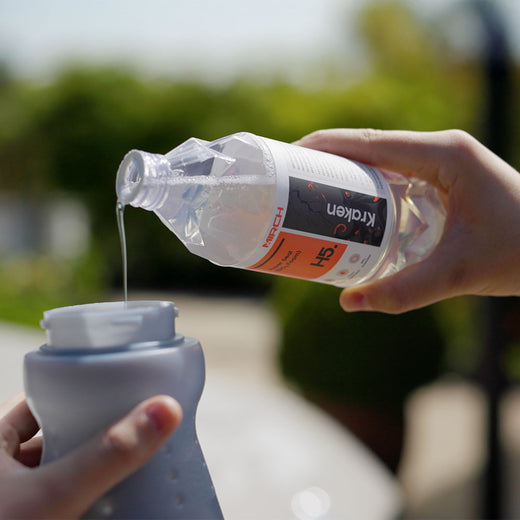
Waterless & Rinseless Car Wash
4.9from 185 reviews across this range
Shop our range of waterless and rinseless car wash products below. Waterless washing is spray on and wipe off with no water at all, which suits light dust and a car that's already fairly clean. A rinseless wash uses one bucket and no hose, and handles a much dirtier car. Both let you wash properly without a driveway or a tap, and both are far safer than the third party car washes that leave swirls behind. From CARPRO, Koch Chemie and Shine Supply.
 GuideLearn About Waterless Car WashesRead the guide ›
Featured items & kits
Hand picked for this category 0% offMost Popular
 Sold outBest Value
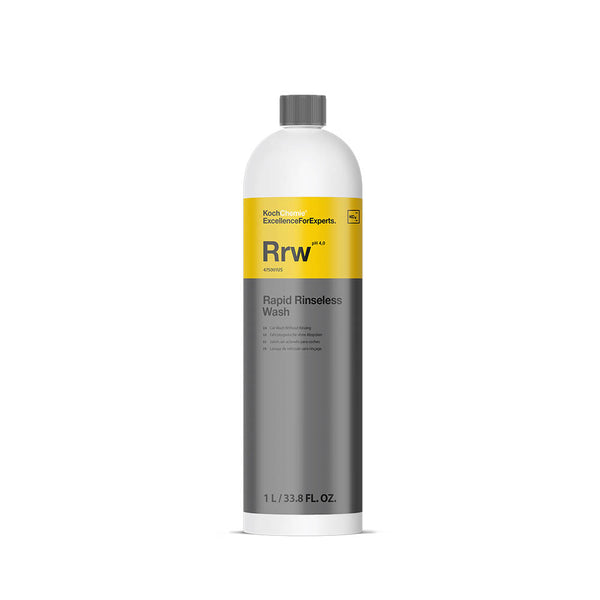 0% offPro's Choice
Koch-Chemie(RRW) Rapid Rinseless Wash | Rinseless Car Wash
Rated 5.0 out of 5 stars
4 Reviews
From$32.05
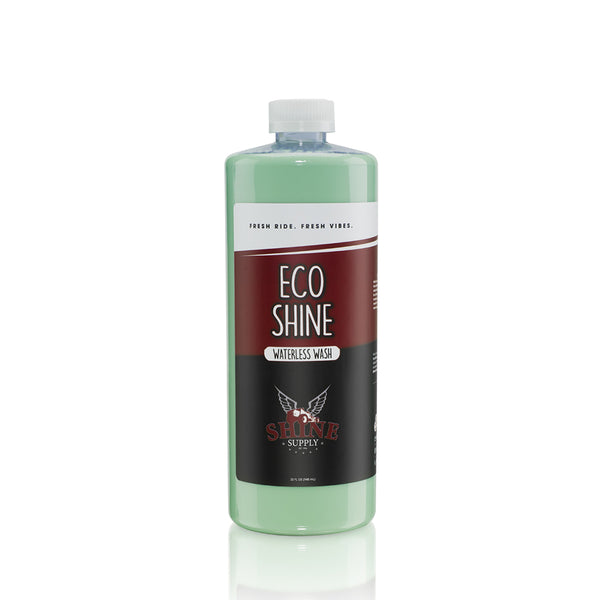
5 products
0% offKoch-Chemie(RRW) Rapid Rinseless Wash | Rinseless Car Wash
Rated 5.0 out of 5 stars
4 Reviews
From$32.05
0% off
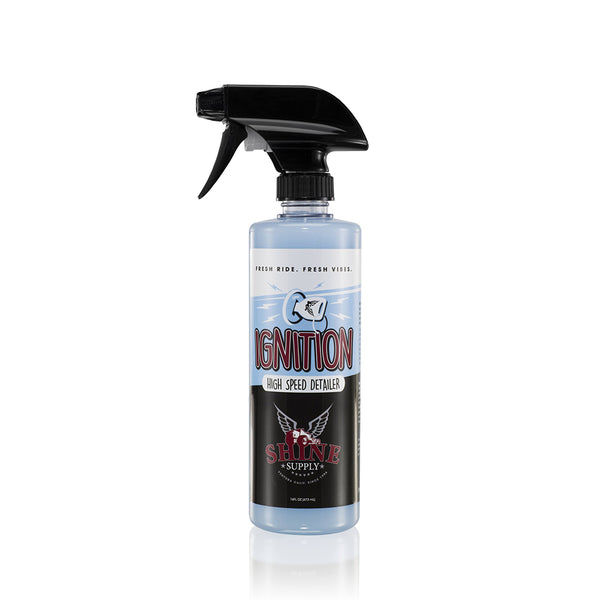 Sold out
In action
Waterless & Rinseless Car Wash, in action
 FeaturedCARPRO ECH2O Concentrate
From $19.95Shop ›
FeaturedCARPRO ECH2O Concentrate
From $19.95Shop ›
 FeaturedKoch Chemie (RRW) Rapid Rinseless Wash
From $32.05Shop ›
FeaturedKoch Chemie (RRW) Rapid Rinseless Wash
From $32.05Shop ›
Waterless & Rinseless Car Wash
FAQ's: Waterless & Rinseless Wash
The difference between waterless and rinseless, how to use them safely, and when to leave them alone and get the hose out. These are the questions we get asked the most.
Still unsure? Ask us ›What's the difference between a waterless and a rinseless car wash?
They get used interchangeably, but they're two different methods.
A waterless car wash uses no water at all. You dilute the concentrate into a spray bottle, spray it straight onto the panel, and wipe it off with a microfibre cloth. The product does the lifting and the lubricating. It suits light dust, a garaged car, or a quick tidy up before somewhere you'd rather not turn up dirty.
A rinseless car wash still uses water, just one bucket of it and no hose. You dilute the product into the bucket, wash a panel at a time with a wash mitt or cloth, and dry it off without rinsing. The polymers wrap around the dirt so it releases into the water rather than dragging across the paint.
The practical difference is how dirty the car is. Waterless is for a car that's dusty. Rinseless handles a car that's genuinely had a week of driving on it, because there's water carrying the dirt away rather than a cloth doing all the work.
Plenty of people use both, waterless between washes and rinseless when a proper wash isn't an option.
A waterless car wash uses no water at all. You dilute the concentrate into a spray bottle, spray it straight onto the panel, and wipe it off with a microfibre cloth. The product does the lifting and the lubricating. It suits light dust, a garaged car, or a quick tidy up before somewhere you'd rather not turn up dirty.
A rinseless car wash still uses water, just one bucket of it and no hose. You dilute the product into the bucket, wash a panel at a time with a wash mitt or cloth, and dry it off without rinsing. The polymers wrap around the dirt so it releases into the water rather than dragging across the paint.
The practical difference is how dirty the car is. Waterless is for a car that's dusty. Rinseless handles a car that's genuinely had a week of driving on it, because there's water carrying the dirt away rather than a cloth doing all the work.
Plenty of people use both, waterless between washes and rinseless when a proper wash isn't an option.
What are the pros and cons of using a waterless car wash?
There are a few of each, and they're worth knowing before you start.
The pros:
The cons:
If you don't have access to water, or you want a quick clean between proper washes, both are a good way to keep on top of a car.
The pros:
- No hose, no tap and no driveway needed, so you can wash in a carpark or an apartment garage.
- Economical. A concentrate dilutes a long way, and a bottle lasts months.
- Fast. A maintenance clean takes a fraction of the time a full wash does.
- Most of them clean and leave some protection behind in the same step.
The cons:
- You need plenty of microfibre cloths. Working with one or two is how people mar their paint.
- Neither is as thorough as a proper two bucket wash with a pressure washer.
- There's a limit to how dirty a car can be before the method stops being safe.
If you don't have access to water, or you want a quick clean between proper washes, both are a good way to keep on top of a car.
How to use a waterless car wash?
There are a few things to keep in mind. We've put together a list to make sure the process is as safe and effective as possible:
Using both sides of the cloth and having plenty of them on hand is what makes the process safe rather than risky. A bulk pack is the cheapest way to have enough.
- Follow the manufacturer's recommendations when mixing your product, and use the recommended dilution ratio in a spray bottle.
- Don't be scared to spray a generous amount onto the panel. This helps ensure it's evenly coated and gives you enough lubrication.
- Work one panel at a time, from the top down, and keep the vehicle out of direct sunlight with the panels cool to the touch.
- Once you've sprayed the panel, use your first cloth with minimal pressure in one direction, turning to a clean section for each additional wipe, until the panel is clean.
- Follow up with a second clean microfibre cloth to buff the panel and get a streak free finish, again using a clean section with each pass.
- Keep switching to fresh cloths as they load up. You'll need about half a dozen or more depending on the size of the car and how dirty it is.
Using both sides of the cloth and having plenty of them on hand is what makes the process safe rather than risky. A bulk pack is the cheapest way to have enough.
What is the best type of waterless wash?
There are two main types, and they differ by the active ingredient.
Wax and polymer based products give a deep, warm glow when used. They tend to last a couple of weeks and they're easy to work with.
SiO2 infused products use ceramic technology to leave a glassier, more reflective surface, and the protection tends to last a bit longer.
It comes down to preference, but the SiO2 products tend to be the more popular of the two, particularly on cars that already carry a ceramic coating.
Wax and polymer based products give a deep, warm glow when used. They tend to last a couple of weeks and they're easy to work with.
SiO2 infused products use ceramic technology to leave a glassier, more reflective surface, and the protection tends to last a bit longer.
It comes down to preference, but the SiO2 products tend to be the more popular of the two, particularly on cars that already carry a ceramic coating.
Can I use a waterless wash on a coated, waxed or PPF car?
Yes to all three, and on a coated car it's one of the better ways to maintain it.
On a ceramic coating, an SiO2 based product is the one to reach for, since it tops up the same chemistry rather than sitting over the top of it as a separate layer. On paint protection film, either type is fine, and the same goes for a car that's waxed or sealed.
It's still worth checking with whoever made your coating or film, since a few brands have their own maintenance requirements, but in nearly every case a waterless or rinseless wash is fine and won't shorten the life of what's underneath.
If anything, keeping a coated car clean between proper washes is what keeps the coating working, because contamination left to bake on is what kills the water behaviour.
On a ceramic coating, an SiO2 based product is the one to reach for, since it tops up the same chemistry rather than sitting over the top of it as a separate layer. On paint protection film, either type is fine, and the same goes for a car that's waxed or sealed.
It's still worth checking with whoever made your coating or film, since a few brands have their own maintenance requirements, but in nearly every case a waterless or rinseless wash is fine and won't shorten the life of what's underneath.
If anything, keeping a coated car clean between proper washes is what keeps the coating working, because contamination left to bake on is what kills the water behaviour.
When should I not use a waterless wash?
When there's grit on the car. That's the honest limit and it's worth respecting.
A waterless wash works by lifting and encapsulating dirt so a cloth can carry it away. That works fine with dust and light road film. It doesn't work with sand, mud, heavy road grime or anything you can feel with a fingertip, because you're then dragging solid particles across paint with a cloth, and that's how swirls happen.
Situations to get the hose out for: after a gravel road or a beach trip, on a car that's been sitting outside for a month, after rain has dried on it, and on lower panels and sills generally, which collect far more than the bonnet and roof do.
A rinseless wash covers more of that middle ground because the water carries the dirt away, but it has a limit too. If the car is properly filthy, a pressure wash and a snow foam pre-soak first is the safe answer.
A waterless wash works by lifting and encapsulating dirt so a cloth can carry it away. That works fine with dust and light road film. It doesn't work with sand, mud, heavy road grime or anything you can feel with a fingertip, because you're then dragging solid particles across paint with a cloth, and that's how swirls happen.
Situations to get the hose out for: after a gravel road or a beach trip, on a car that's been sitting outside for a month, after rain has dried on it, and on lower panels and sills generally, which collect far more than the bonnet and roof do.
A rinseless wash covers more of that middle ground because the water carries the dirt away, but it has a limit too. If the car is properly filthy, a pressure wash and a snow foam pre-soak first is the safe answer.