
Hand Polishing
4.9from 267 reviews across this range
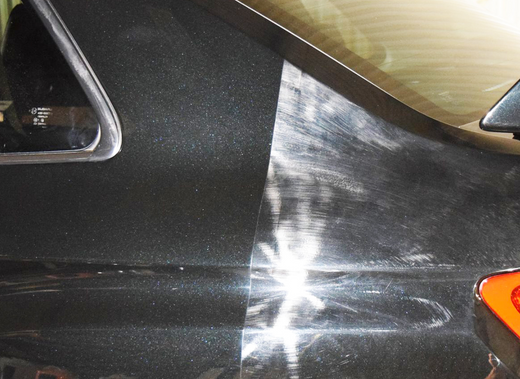
Hand polishing is the safe way in. A foam hand polishing pad and a good compound will remove light swirls, bring back gloss on a tired panel and tidy up the spots a machine can't reach, like door jambs, mirror caps and the bits around badges. It takes more elbow grease than a machine and it won't fix deep scratches, but it's very hard to get wrong.
Featured items & kits
Hand picked for this category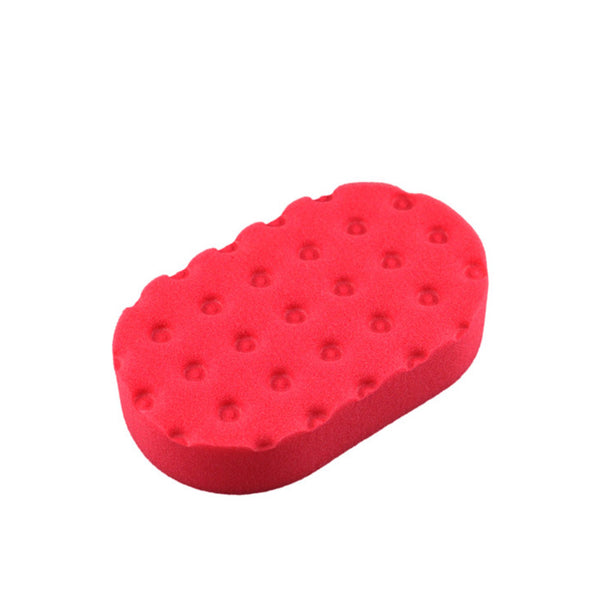 0% offMost Popular
 35.5% offBest Value
 0% offOur Pick
 0% offPro's Choice
18 products
 0% off
 0% off




Hand Polishing
FAQ's: Hand Polishing
Soft pads, firm pads, compounds that say machine on the label, and a lot of people wondering whether hand polishing is worth the effort at all. These are the questions we get asked the most.
Still unsure? Ask us ›Can you actually polish a car by hand?
Yes, within limits. A hand polishing pad and a compound will remove light swirls and wash marks, take the dullness out of oxidised paint and bring up gloss on a panel that's lost it. What it won't do is heavy correction. Deep scratches and years of car wash swirls need the speed and pressure a machine puts down, and you'll wear yourself out trying to get there by hand.
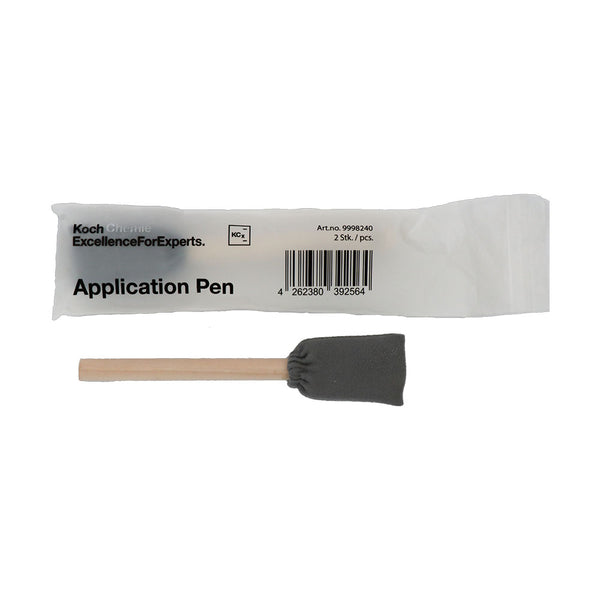
Where hand polishing beats a machine is the awkward spots. Door jambs, pillars, mirror caps, around badges and handles, the areas a 5 inch pad can't get into cleanly. Most detailers keep a set of hand applicators for exactly that, even with a polisher on the bench.
Where hand polishing beats a machine is the awkward spots. Door jambs, pillars, mirror caps, around badges and handles, the areas a 5 inch pad can't get into cleanly. Most detailers keep a set of hand applicators for exactly that, even with a polisher on the bench.
Which hand polishing pad do I need?
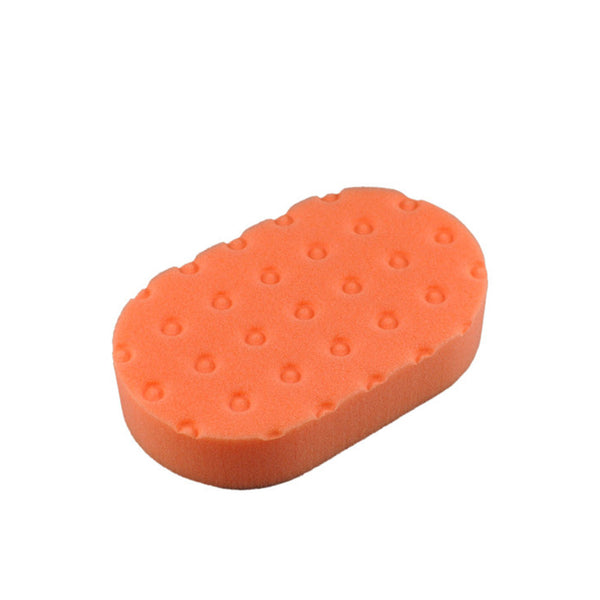
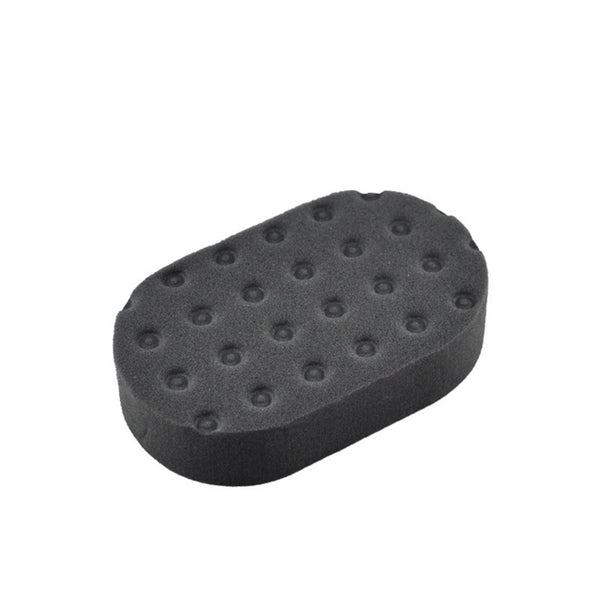
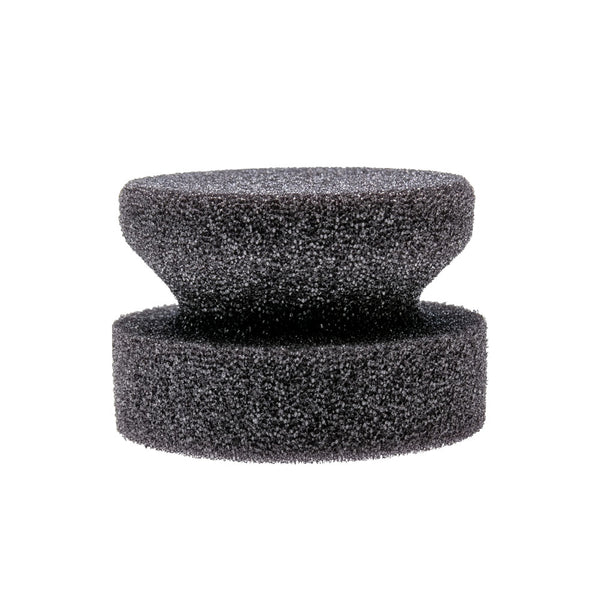
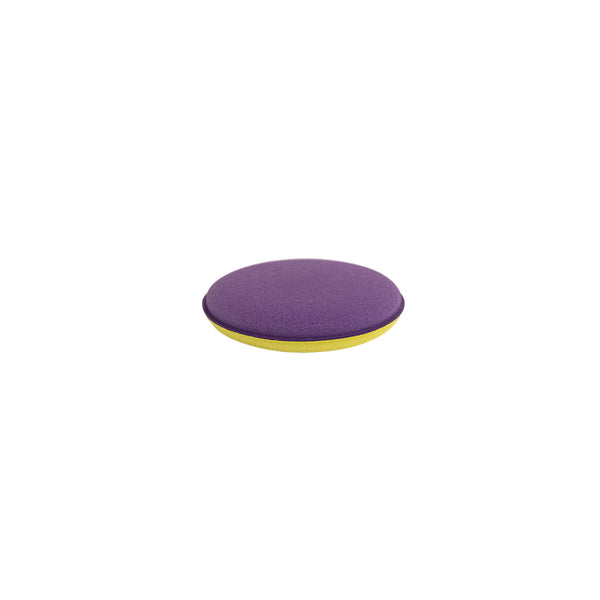
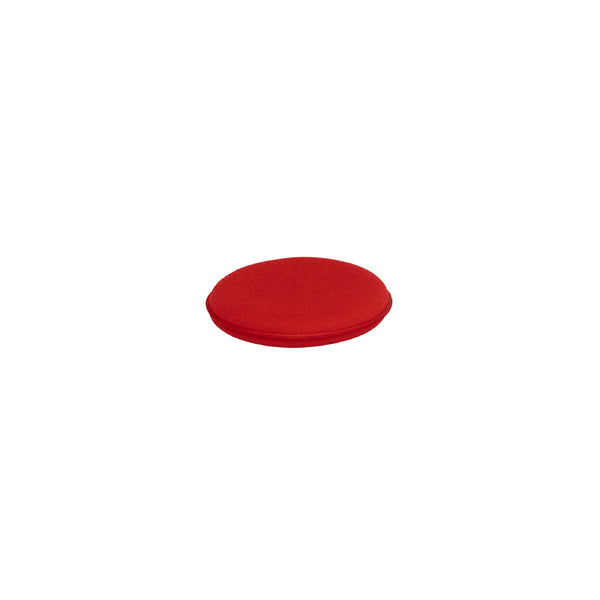
It depends on what you're doing. If you're applying a wax or sealant, you want a soft pad with no bite to it, something like the Lake Country CCS Red, so it spreads product without marking the paint. If you're trying to remove swirls or oxidation, you want something stiffer with an abrasive foam, like the Lake Country CCS Orange or the Koch Chemie Hand Polishing Puck, so the compound actually has something to work against. In between sits a general polishing pad for gloss and light cleaning.
Start with the softest pad that does the job and step up. If you're not sure, the Waxit Hand Polishing Kit has pads and compound matched for you, so you're not guessing.
Start with the softest pad that does the job and step up. If you're not sure, the Waxit Hand Polishing Kit has pads and compound matched for you, so you're not guessing.
What compound should I use for hand polishing?
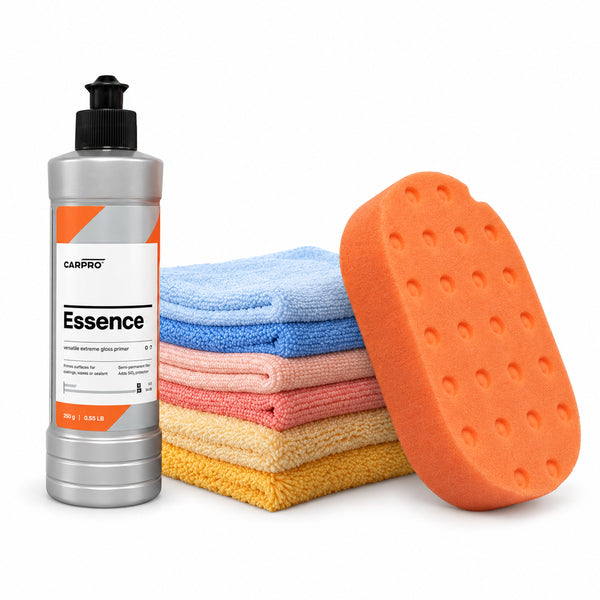
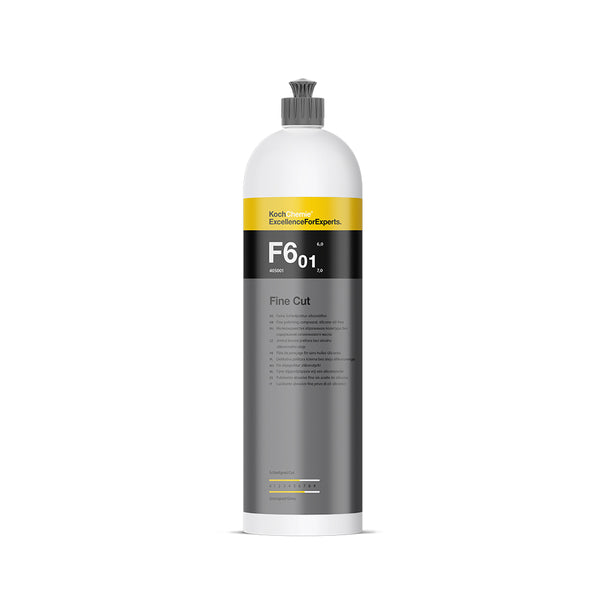
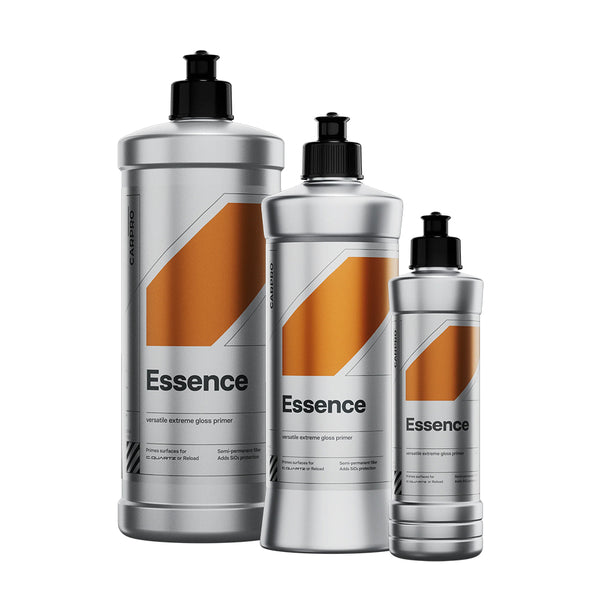
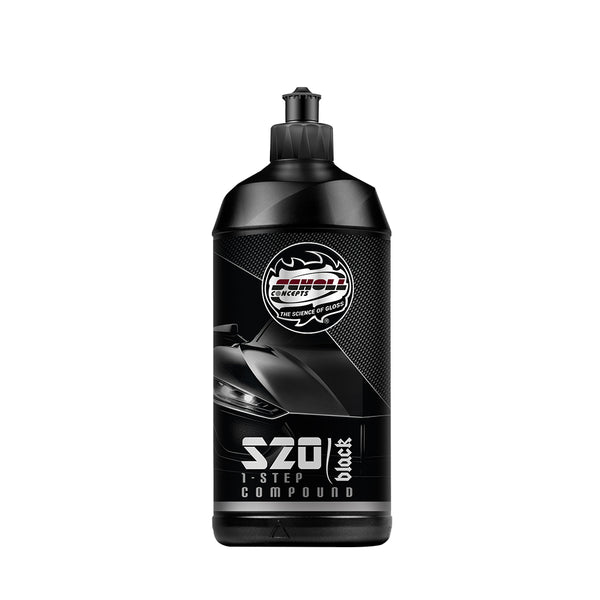
Something with a bit of bite and a good finish, because by hand you're working it far slower than a machine would and you want it to do both jobs in one go. A one step intermediate compound like Scholl S20 Black or Koch Chemie Fine Cut F6.01 on a firm pad handles swirls and light marks well. For gloss, CARPRO Essence is the one we find works best by hand, and it's the ideal step before a ceramic coating.
Work a small section at a time, keep the pad moving in overlapping passes, and wipe with a clean microfibre before you judge it. If the marks aren't shifting after a couple of goes, it's a firmer pad you need, or a machine.
Work a small section at a time, keep the pad moving in overlapping passes, and wipe with a clean microfibre before you judge it. If the marks aren't shifting after a couple of goes, it's a firmer pad you need, or a machine.
Should I just get a machine polisher instead?
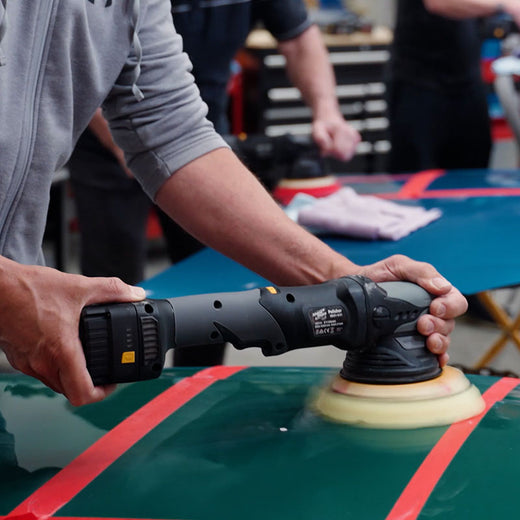
If you're polishing more than the odd panel, probably yes. A dual action polisher is safer than it's ever been, the modern ones are very hard to burn paint with, and it does in twenty minutes what takes an afternoon by hand. Have a look at our car polishing kits, the Waxit Enthusiast Polishing Kit is the one we put together for exactly this step, with the machine, pads and compounds in one box.
Hand polishing still earns its place after that. Keep the hand pads for jambs, tight spots and spreading protection, and let the machine do the panels.
Hand polishing still earns its place after that. Keep the hand pads for jambs, tight spots and spreading protection, and let the machine do the panels.