

Sanding Pads & Paper
4.8from 76 reviews across this range
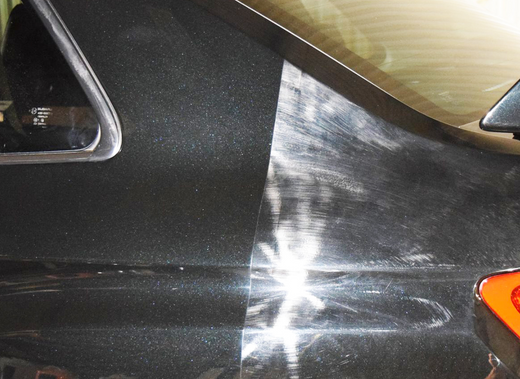
Car sanding is the step before compounding when polishing alone won't get there, for orange peel on a respray, deep scratches, runs and paint that's been let go. Fine grit sanding pads and wet sanding paper level the surface, then a cutting compound brings the gloss back. This is the range for that job, SIA wet sanding paper and foam backed discs, CARPRO sanding discs and orange peel pads, and the blocks and interface pads to run them by hand or on a polisher.
Featured items & kits
Hand picked for this category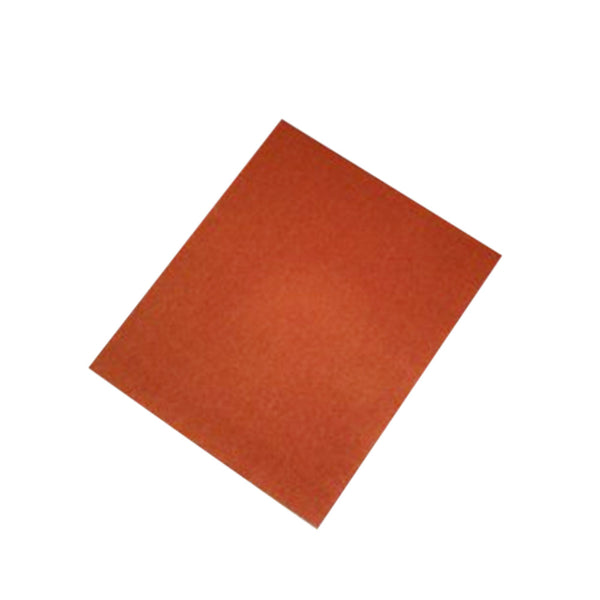
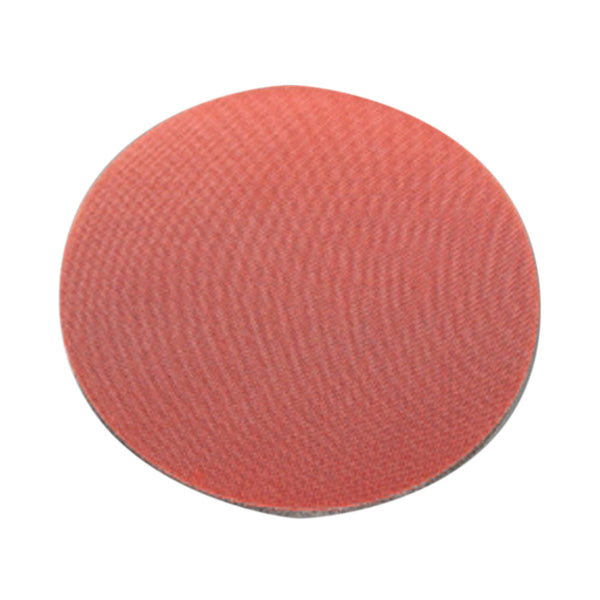


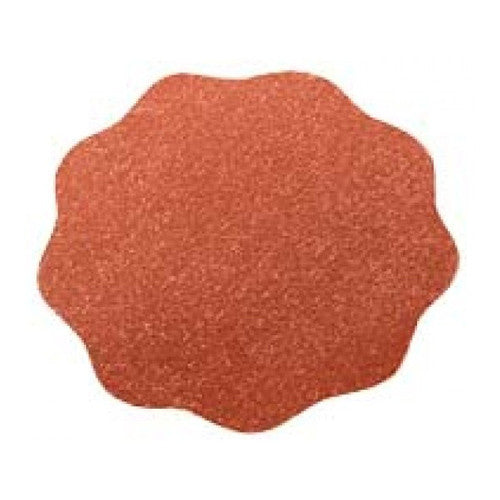


In action
Sanding Pads & Paper, in action
 FeaturedCARPRO Sanding Discs P1500
From $29.95Shop ›
Sanding Pads & Paper
FAQ's: Car Sanding
What grit, wet or dry, by hand or by machine, and how not to go through the clear. These are the questions we get asked the most.
Still unsure? Ask us ›What grit do I use to sand car paint?
Finer than you think. Wet sanding on a car is finishing work, not stripping, so the range that matters is P1500 to P3000. P1500 is the coarse end, for levelling orange peel, runs and deeper scratches, and it leaves marks that need a proper cutting compound and a wool or firm foam pad to remove. P2000 is the everyday grade for a scratch that won't polish out, and P3000 is a refining grit that leaves a haze most intermediate compounds will clear in a couple of passes. The rule is to sand with the finest grit that does the job, and step down only if it isn't cutting.
Whatever you start with, work up through the grits before you compound. Going from P1500 straight to polish is a long day. P1500, then P2000, then P3000 and the compounding is quick.
Whatever you start with, work up through the grits before you compound. Going from P1500 straight to polish is a long day. P1500, then P2000, then P3000 and the compounding is quick.
How do I fix orange peel on a car?
Two ways, depending on how much you want to take off. The gentler route is a denim or velvet orange peel pad on a polisher with a cutting compound. The pad has a texture graded like sandpaper, 2000 grit for denim and 3000 for velvet, so it levels the peaks of the peel without the commitment of true sanding, and you can stop any time. That's the one to try first on factory paint.
For heavier peel, a fresh respray or a panel that's been sprayed thick, wet sanding with P1500 or P2000 on a soft interface pad or a sanding block levels it properly, then you compound and polish back up. Either way, measure the paint first if you can. Orange peel removal on thin clear is how panels end up at the painter.
For heavier peel, a fresh respray or a panel that's been sprayed thick, wet sanding with P1500 or P2000 on a soft interface pad or a sanding block levels it properly, then you compound and polish back up. Either way, measure the paint first if you can. Orange peel removal on thin clear is how panels end up at the painter.
Should I wet sand by hand or with a machine?
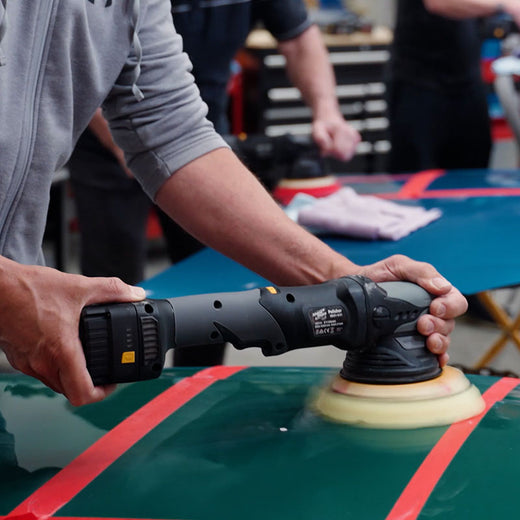
By hand for spots and edges, by machine for panels. A sanding block with wet sanding paper gives you the most control for a single scratch, a run, or anywhere near an edge where a machine would burn through. Keep it wet, light pressure, and check every few strokes. For a whole bonnet or a full respray, a dual action polisher with a sanding disc on an interface pad is faster and more even, and the 37mm daisy disks on a mini polisher handle the tight spots.
Wet is nearly always the answer for paint. Dry sanding at these grits clogs the paper and builds heat. A spray bottle of water with a drop of car wash keeps the surface lubricated and the slurry moving.
Wet is nearly always the answer for paint. Dry sanding at these grits clogs the paper and builds heat. A spray bottle of water with a drop of car wash keeps the surface lubricated and the slurry moving.
What do I do after sanding?
Compound, then polish, then protect, and don't skip a step. Sanding leaves a uniform matte haze that a cutting compound on a wool or firm foam pad removes, then an intermediate or finishing compound brings up the gloss. Wipe the panel with a panel wipe between each stage so you can see what's actually left rather than what the compound oils are hiding.
Before any of that, rinse the sanding slurry off completely. Grit left on the panel goes straight into your polishing pad. And once the paint is corrected it has no protection on it at all, so a sealant or coating goes on before the car sees weather.
Before any of that, rinse the sanding slurry off completely. Grit left on the panel goes straight into your polishing pad. And once the paint is corrected it has no protection on it at all, so a sealant or coating goes on before the car sees weather.